Online Reporter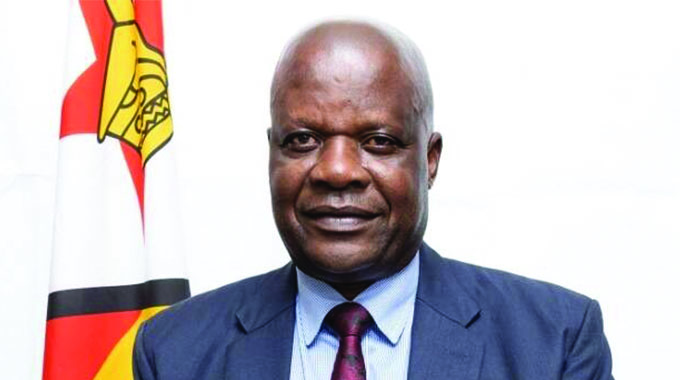
Sikhumbuzo Moyo
THE Zimbabwe Social Registry (Ziso), a national initiative aimed at establishing a comprehensive database for all social protection programmes, is now 85 percent complete, according to Mr Simon Masanga, Permanent Secretary in the Ministry of Public Service, Labour and Social Welfare.
The social registry is a pivotal tool in enhancing social protection, reducing poverty, and promoting inclusive development in Zimbabwe. It will function as a unified data and information management system to support the planning, implementation and monitoring of social protection and social development programmes.
For years, Zimbabwe’s social protection initiatives — including the Harmonised Social Cash Transfer (HSCT), Basic Education Assistance Module (Beam), food assistance programmes, disability support schemes and drought relief interventions — have operated using fragmented databases managed independently by various ministries, development partners and NGOs.
This fragmentation has often led to duplication of beneficiaries, exclusion of deserving households, inconsistent targeting, inefficient resource allocation, and challenges in long-term planning.
With Ziso, Zimbabwe joins other African nations such as Kenya, Rwanda, and South Africa in adopting integrated social registries to enhance transparency, fairness and efficiency in the delivery of social services.
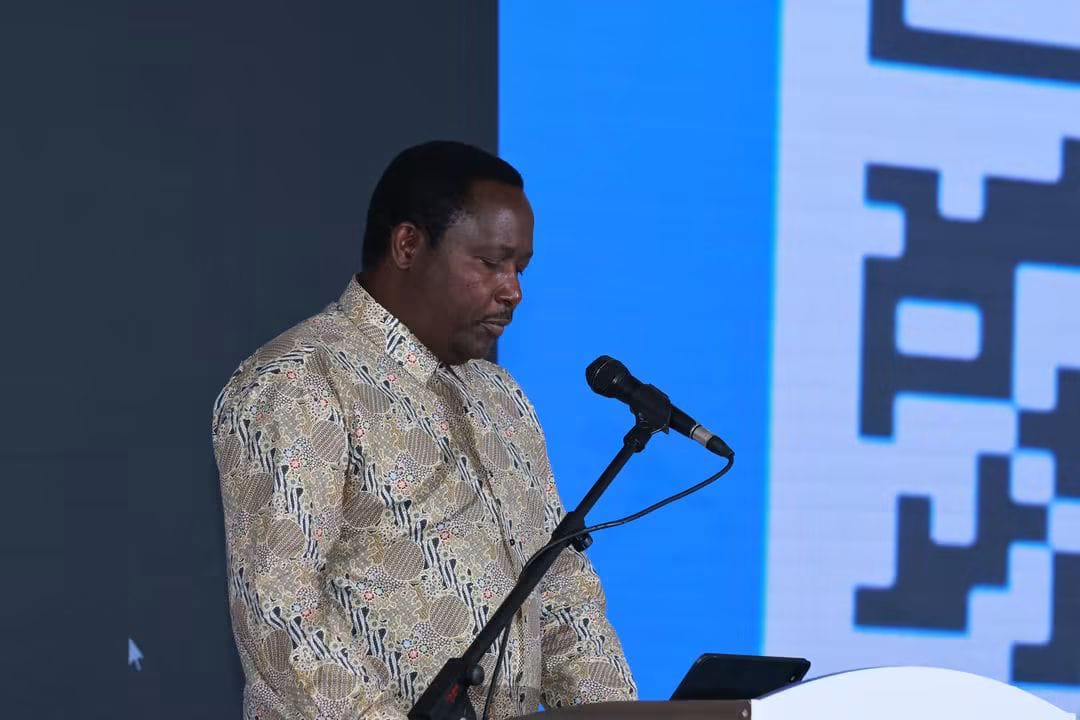
Mr Masanga stated that the new system will transform the sector upon completion, as all information on social protection programmes will be centralised. He noted that donors, development partners, and Government departments will contribute to the same system, which is being developed by a consultant based in Oman.
“We have made significant progress in developing the software itself, although it took some time. We engaged a consultant, Synergy, based in Oman, who has been working with us with support from the World Bank,” said Mr Masanga.
He added that an inter-ministerial committee has been established to oversee the system’s development, and substantial progress has already been achieved. A comprehensive questionnaire has also been created to populate the database.
“Everyone agrees that the questionnaire covers all the necessary areas. What remains now is to pilot it in four or five districts, with the collected data set to be entered into the system,” said Mr Masanga.
Enumerators will collect detailed information on demographics, education and employment, housing and land ownership, access to essential services, economic activities and household vulnerabilities. This data will improve the targeting of social programmes and support Zimbabwe’s advancement towards
Vision 2030, which aspires to achieve an upper-middle-income economy.
Mr Masanga said the only remaining challenge before completion is securing a sustainable hosting environment for the system’s servers.
“The challenge we face — and this accounts for the remaining 15 percent — is identifying a suitable location to host the servers. Some service providers are charging exorbitant fees, which are not sustainable.
We were unable to meet those costs, but we have negotiated with one of the service providers in collaboration with our ICT department. We believe the revised charges are now sustainable,” he said.
He further mentioned that the ministry has requested Treasury to extend the contract of the service provider responsible for developing the system.
“We need Synergy to remain with us until the system is fully operational, and that has been agreed. It will be a game-changer, as all information on our social protection programmes will be housed in one system. Donors, development partners and Government departments will all contribute to it,” he said.