Online Reporter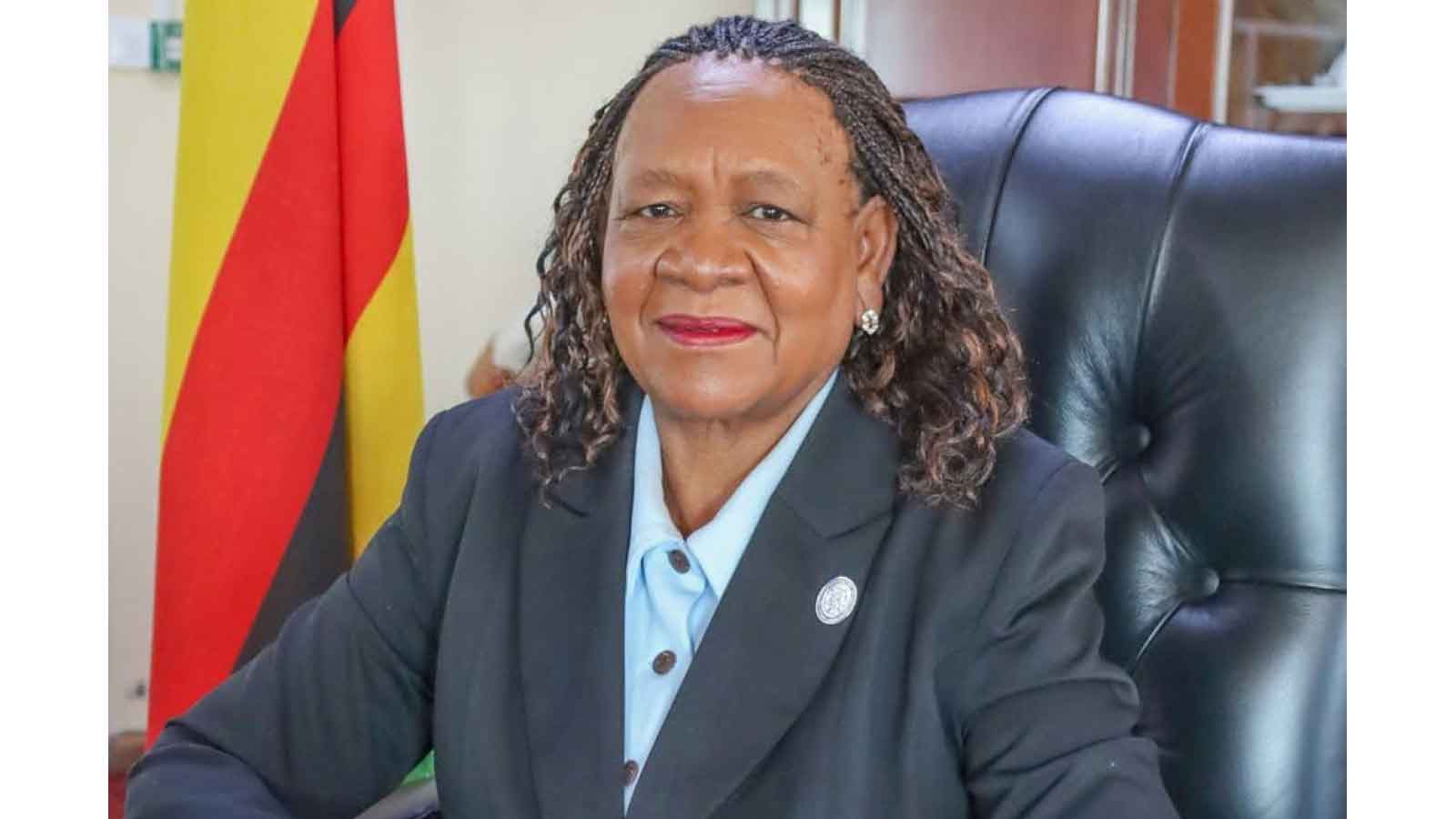
Rumbidzayi Zinyuke, [email protected]
ZIMBABWE has assumed the chairmanship of the African Group at the United Nations Convention to Combat Desertification (UNCCD) Conference of the Parties (COP17), taking on a leading role in steering the continent’s priorities on drought, land degradation and desertification over the next two years.
The chairmanship was formally handed over as COP17 concluded in Ulaanbaatar, Mongolia, last week and will run until the end of COP18, which is scheduled to be held in Egypt in 2028.
Zimbabwe will also chair the Committee for the Review of the Implementation of the Convention (CRIC), placing the country at the centre of efforts to assess progress, monitor implementation and help shape policy discussions on Africa’s response to land degradation and drought.
In a statement read on behalf of the Minister of Environment, Climate and Wildlife, Honourable Evelyn Ndlovu, by the ministry’s Director for Environment, Mr Edward Samuriwo, Zimbabwe expressed appreciation to Côte d’Ivoire for its leadership of the African Group since COP16.
She said Zimbabwe viewed the responsibility as a “sacred trust” bestowed upon it by African member states.
“Accepting the role as a sacred trust extended by 54 African member states, Zimbabwe reaffirms its commitment to advancing the continent’s collective priorities with unity, discipline, and resolve,” she said.
The assumption of the leadership role comes at a time when African countries are grappling with the growing impacts of drought, land degradation, desertification and climate variability, which continue to threaten food security, livelihoods and natural resources across the continent.
Minister Ndlovu said a key focus of Zimbabwe’s tenure would be advancing negotiations on outstanding issues, particularly efforts to secure a legally binding Drought Protocol under the UNCCD framework.
The country will also seek to facilitate the conclusion of negotiations on the Convention’s future strategic plan, which is expected to guide global efforts to combat desertification, land degradation and drought in the years ahead.
“Over the next two years, Zimbabwe’s central priority will be driving negotiations to finalise the unfinished business of the continent, chiefly securing a legally binding Drought Protocol and concluding the Convention’s future strategic plan,” she said.
Zimbabwe’s assumption of the African Group leadership also presents an opportunity to strengthen Africa’s voice in pushing for greater international support and action to build resilience among communities that depend heavily on vulnerable ecosystems.
At COP17, Zimbabwe promoted an integrated, community-led approach to restoring degraded forests, rangelands and agricultural landscapes, emphasising the need to link environmental restoration efforts with improved rural livelihoods.
The approach integrates the management of forests, agriculture, livestock and communities, recognising the close relationship between land degradation, food security and sustainable livelihoods.
Zimbabwe is implementing the model through its Drylands Sustainable Landscapes Impact Programme, which operates in eight districts and 44 wards across the Midlands, Masvingo and Manicaland provinces.
The programme aims to restore degraded landscapes while supporting communities to diversify sources of income through initiatives such as traditional grain production, small livestock projects, beekeeping and the processing of indigenous resources.
The country has also been advocating greater community participation in decisions involving natural resources, with officials maintaining that sustainable land management requires a balance between environmental protection and the socio-economic needs of people who depend on natural resources for their livelihoods.
The new African Group chairmanship therefore provides Zimbabwe with a platform to elevate these priorities within continental and global negotiations as it works alongside member states and international partners ahead of COP18.
Minister Ndlovu said Zimbabwe would continue engaging African member states and development partners to advance shared priorities and deliver meaningful environmental outcomes.
“Zimbabwe looks forward to collaborating closely with all member states and diplomatic partners to champion Africa’s shared interests and secure impactful environmental outcomes leading up to COP18,” she said.