Debra Matabvu in Antalya, Türkiye
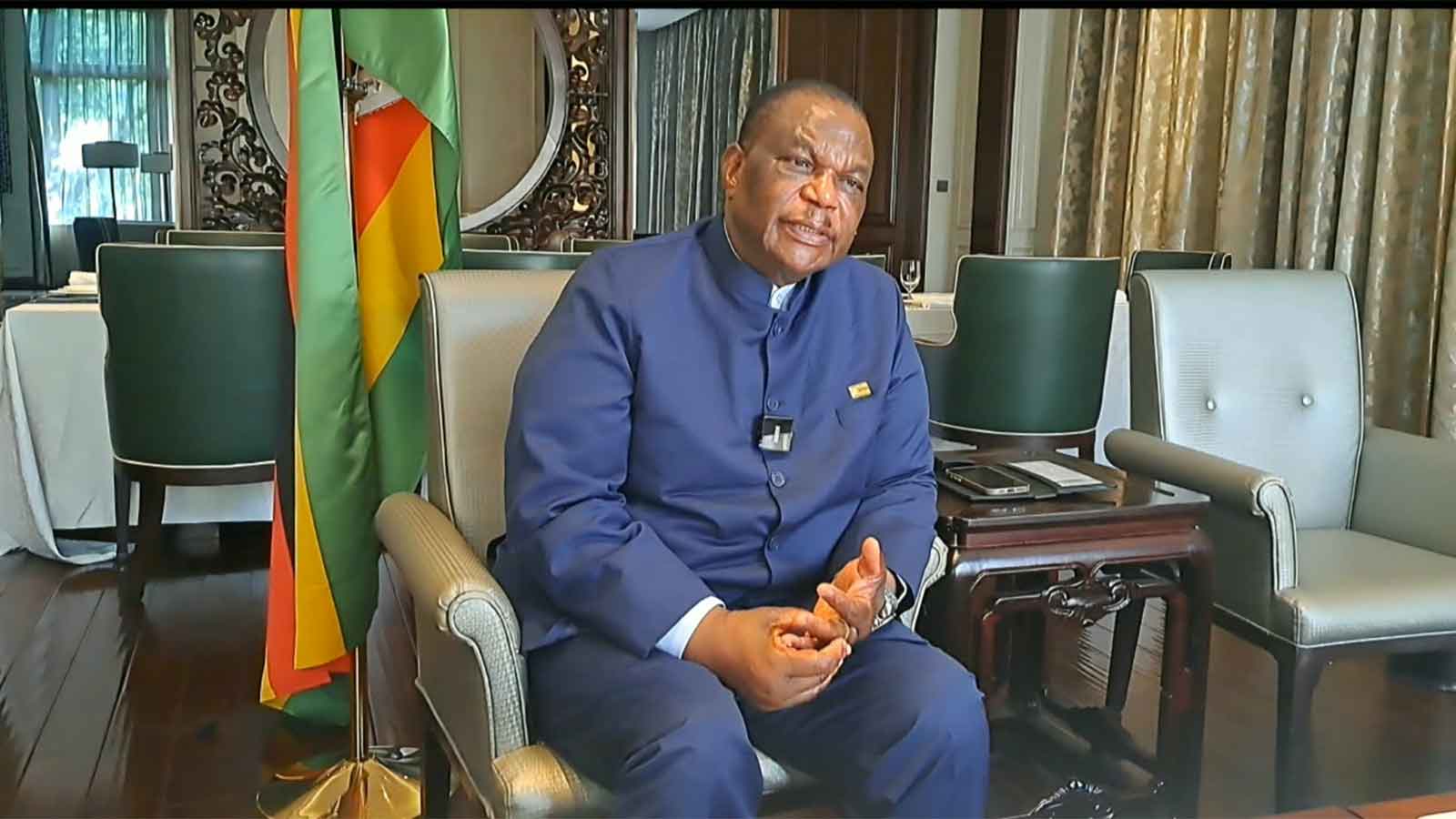
VICE PRESIDENT Constantino Chiwenga is expected to arrive here today to represent President Mnangagwa at the 31st Conference of the Parties to the United Nations Framework Convention on Climate Change (COP31), where Zimbabwe will push for greater international support to strengthen climate resilience.
VP Chiwenga is expected to address the leaders’ summit, present Zimbabwe’s national statement and participate in discussions on key climate issues, including the energy transition.
He is also expected to hold high-level bilateral meetings on the sidelines of the conference.
His participation comes as Zimbabwe and other Southern African countries face the threat of a predicted Super El Niño during the 2026/27 summer cropping season, which could bring below-normal rainfall, erratic weather patterns and higher temperatures.
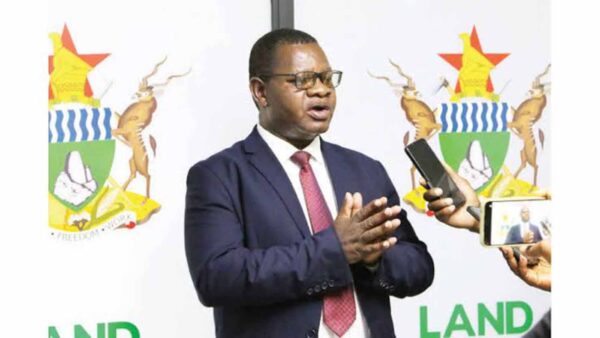
In an interview yesterday, Environment, Climate and Wildlife Minister Dr Evelyn Ndlovu said Harare would use the global platform to highlight the effects of climate change on livelihoods, food production and energy security while calling for increased international support.
She said addressing climate change required the active involvement of world leaders to develop strategic interventions capable of responding to the growing environmental crisis.
“Climate change can only be addressed with the involvement of the heads of state and government, and that is why the United Nations has called upon the heads of state to come and address and be together and formulate strategic decisions that can save this world,” she said.
VP Chiwenga would represent President Mnangagwa at the summit and present the country’s position on climate change while participating in other key engagements, she added.
“Zimbabwe is going to articulate the impact of climate change on our people, our environment, our food systems and the security of our energy generation capacity, because we are a country that is dependent on rainfall, water generation for electricity,” said Dr Ndlovu.
She said Zimbabwe would also advocate for a just transition from coal to renewable energy sources, arguing that countries should be given adequate time and support to develop sustainable alternatives.
“We are also saying to ourselves and to the world that we must have a justified transition period from coal to other renewable energies, and we are calling for serious research and development in the renewable energy field to ensure that these energy systems are safe for people and they are futuristic as they are described by the international community,” she said.
Zimbabwe will also use the conference to showcase its carbon trading framework, which the country introduced in line with Article 6 of the Paris Agreement, that provides for international cooperation through carbon markets.
Dr Ndlovu said the country would explain how it was implementing the framework.
“So we will be showcasing our ability and at the same time appealing to the international community on climate finance for adaptation, because our people are facing serious challenges because of climate change,” she said.
The push for climate financing comes as Zimbabwe faces the prospect of another difficult agricultural season following the devastating 2024/25 drought, which was the worst the country had experienced since 1980.
The anticipated weather conditions pose a major threat to agricultural production and national food security, particularly as farmers prepare for the 2026/27 summer cropping season.
However, Government has already approved a comprehensive Summer Plan incorporating drought mitigation measures to cushion farmers against the anticipated effects of El Niño.
The plan is anchored on six strategic pillars: strengthening the Strategic Grain Reserve, expanding climate-smart agricultural production, improving agricultural financing, mitigating livestock losses, enhancing imports, and strengthening coordination and early warning systems.
The interventions are intended to build the country’s resilience to climate-related shocks and ensure adequate food supplies despite the anticipated challenging rainfall season.
COP31 brings together world leaders, climate negotiators and other stakeholders from countries that are parties to the United Nations Framework Convention on Climate Change to advance international cooperation and strengthen global responses to climate change.
The annual conference also provides a platform for engagement among business leaders, young people, climate scientists, Indigenous Peoples and civil society organisations on strategies to address the growing climate crisis.