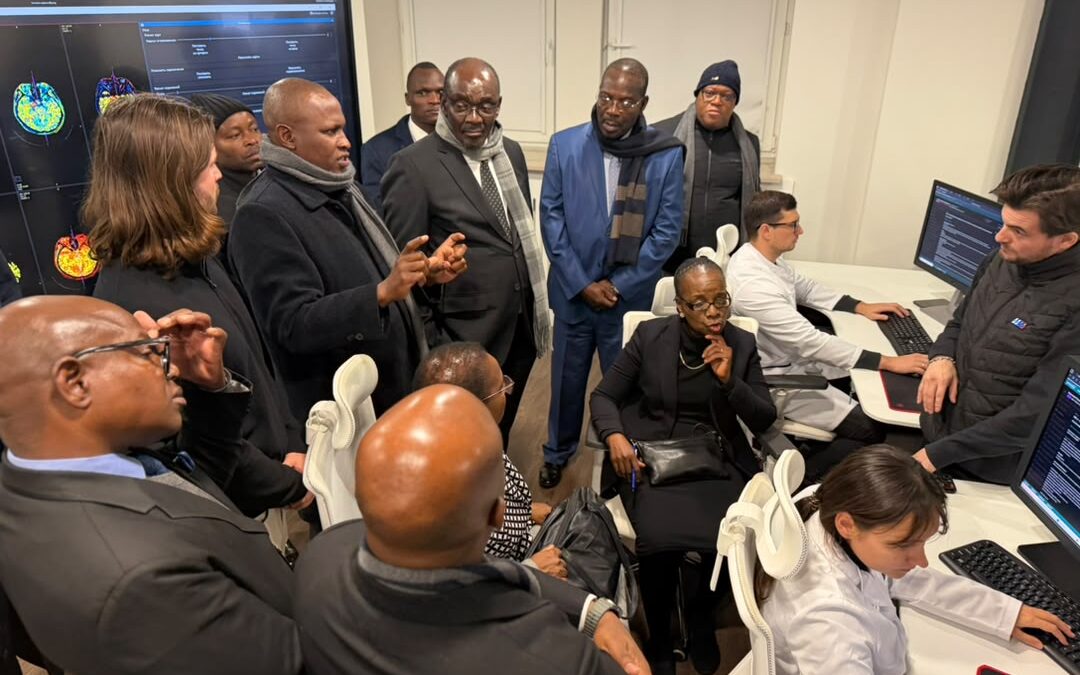
Prosper Ndlovu in MOSCOW, Russia
ZIMBABWE is scaling up access to medical treatment for remote communities by using telemedicine and tapping into advanced Russian technology to cement gains already made in digital health.
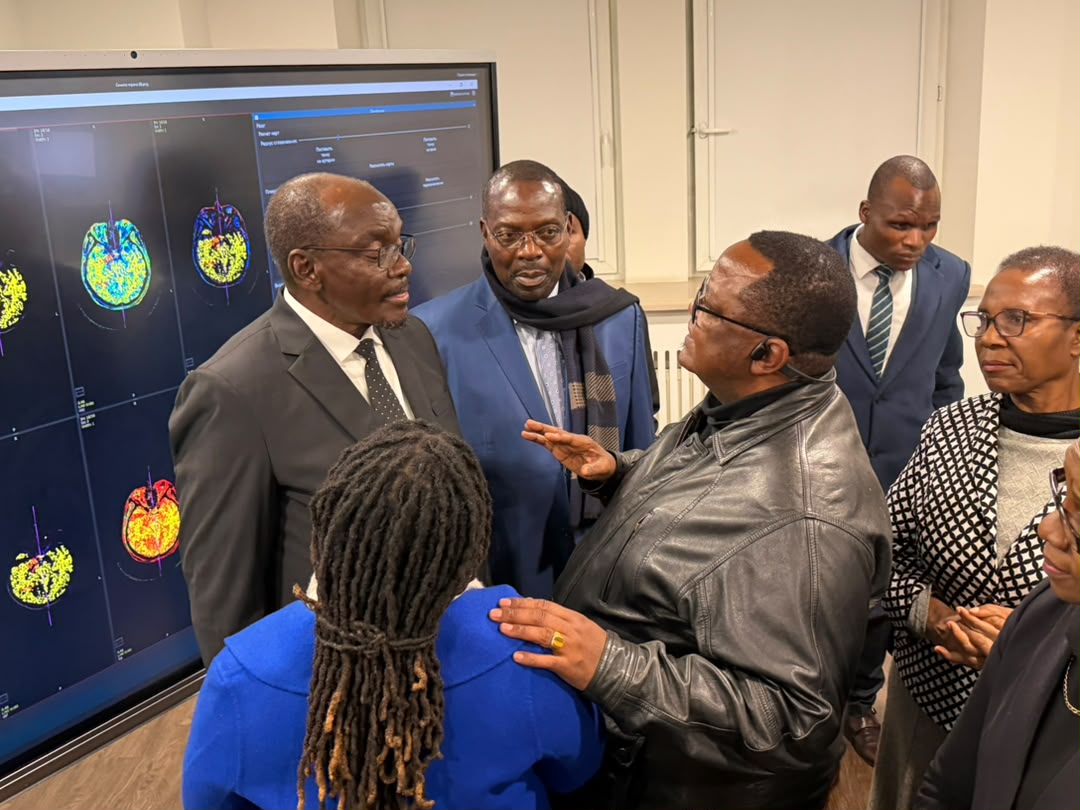
Vice President Kembo Mohadi, who is in Moscow to finalise implementation of health cooperation agreements between the two countries, said Zimbabwe has already started a system where patients and doctors consult remotely.
He said the collaboration with Russia will therefore amplify the drive.
“We’ve already started something like that back home whereby people can call in or doctors can phone in and then talk to the patient and then diagnose the patient.
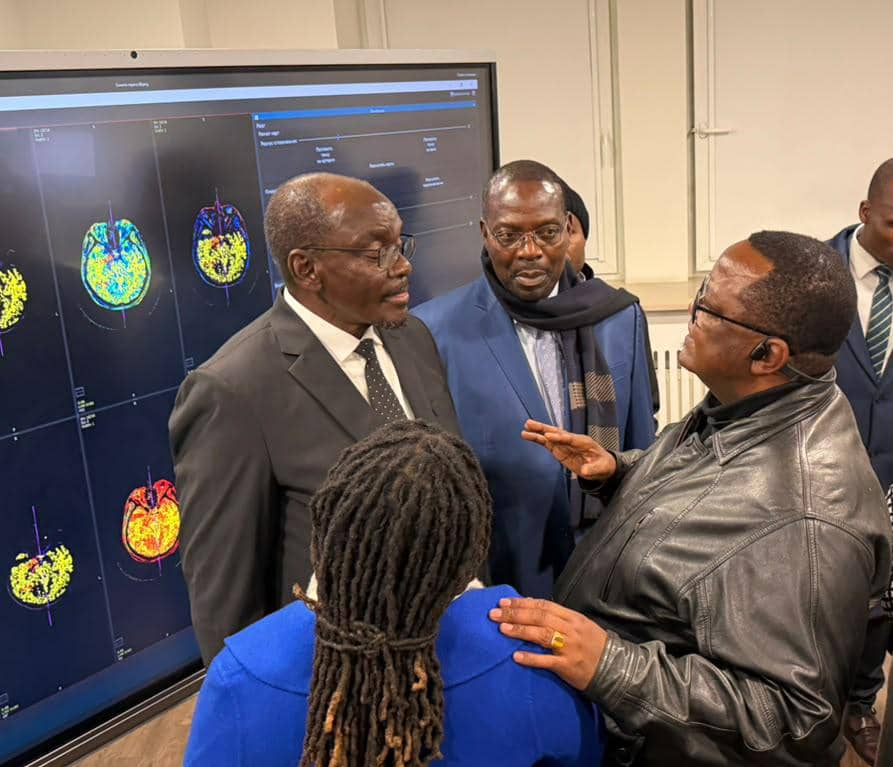
“We’ve already started that. But we want to advance in that one,” said VP Mohadi after touring a high-tech medical imaging centre in Moscow yesterday.
“That’s why I’ve got these specialists with me here, theirs is to study and see how we can possibly do it better or do it in such a way that would suit the Zimbabwean population.”
VP Mohadi said the Russian model — where regions send medical data to a centralised radiology centre for diagnosis —offers lessons for Zimbabwe, but the country will adapt it to its own context.
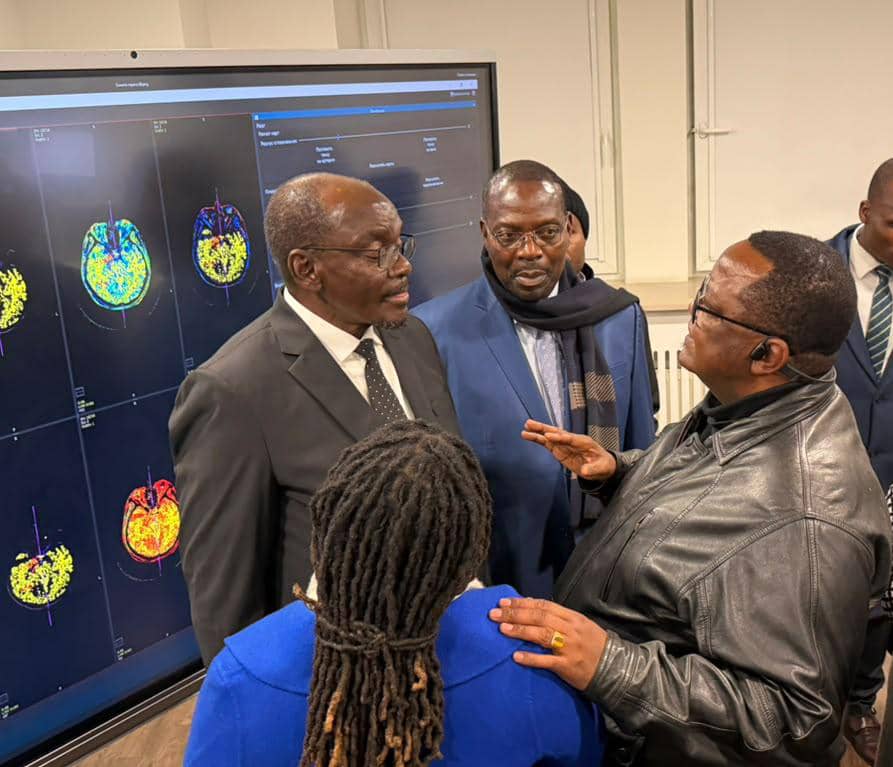
“What they are doing, they are talking about diagnosis. The regions can send in information that can be diagnosed here through their radiology centre. We are here to gather as much as possible as to what they are doing and we can also do something similar from our own perspective,” he said.
“They are quite advanced and we are prepared to learn from them. It will be prudent to bring some people here to understudy what they are doing so that we establish our own system. Not theirs. We don’t have to reinvent the wheel. Why not just get the technological transfer that is needed and we do it ourselves.”
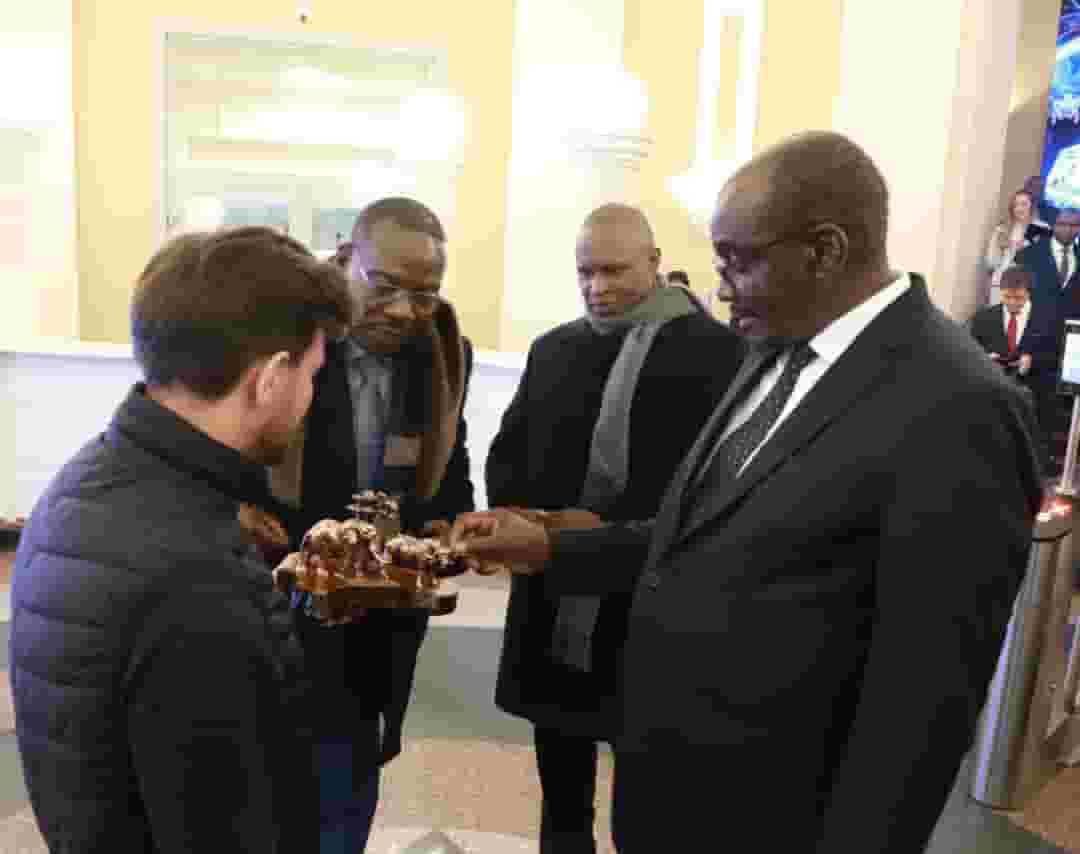
Deputy Minister of Health and Child Care, Sleiman Kwidini, who is accompanying Cde Mohadi and the health sector technical team, said the ministry has already received digital gadgets from the Ministry of ICT to connect clinics to district, provincial and central hospitals, with telemedicine operating at a lower scale in hard-to-reach areas.
“As a country we have started this but we are using telephones to ensure our people in hard to reach areas where there are no doctors, are treated and managed from where they are by a doctor at a referral centre,” said Deputy Minister Kwidini.
“What we need is to strengthen the system, the softwares, which can be done digitally live so that a
patient can come to a clinic from Binga or Tshelanyemba and communicate with a practitioner on the scene of a particular site and when there is complication they quickly refer.”
The delegation’s visit builds on Monday’s tour of Pharmasyntez-Nord pharmaceutical plant in St Petersburg and is part of efforts to operationalise development agreements reached between President Mnangagwa and President Vladimir Putin, including health sector collaboration, with focus on pharmaceutical manufacturing, cancer care and digital health aimed at reducing medical tourism and strengthening domestic health security.