Online Reporter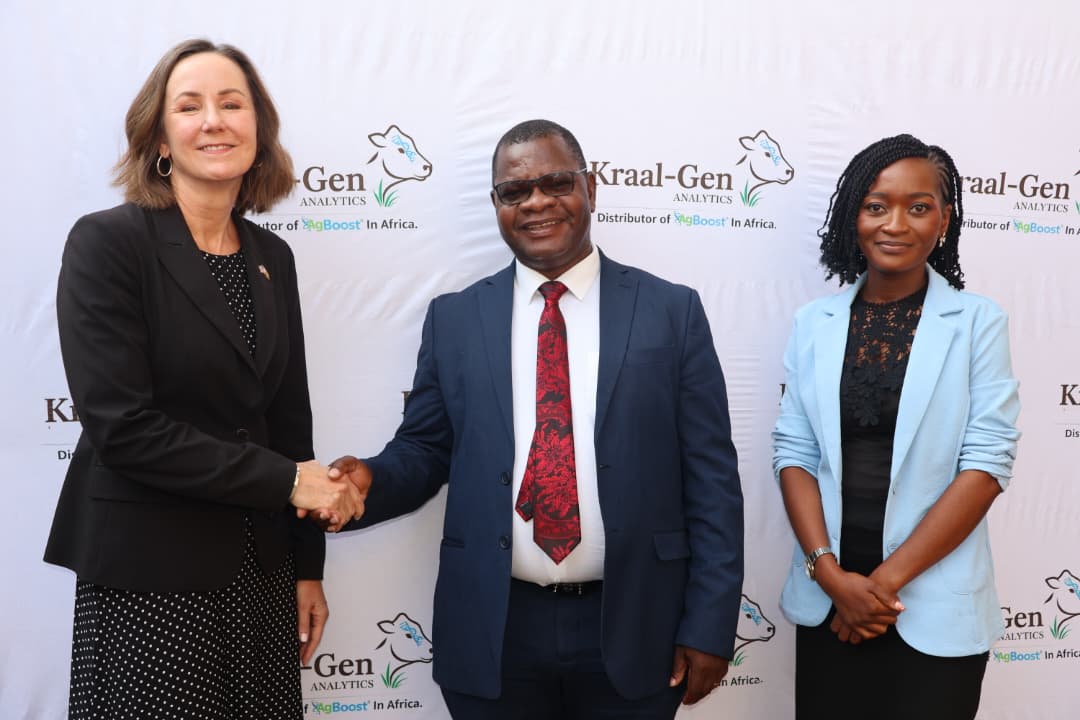
Theseus Mauruki Shambare
ZIMBABWE has set an ambitious target to increase annual milk production from 114 million litres to 200 million litres by 2030 as Government intensifies efforts to modernise the livestock sector through improved genetics, artificial intelligence and strategic partnerships.
The target, unveiled at the Zimbabwe Genomic Pilot Insights Session in Harare on Wednesday, forms part of the Agriculture, Food Systems and Rural Transformation Strategy 2 (AFSRTS 2: 2026-2030), which seeks to transform agriculture into a competitive US$15.8 billion industry, with livestock contributing US$3.4 billion.
Speaking at the event, Ministry of Agriculture, Mechanisation and Water Resources Development Permanent Secretary Professor Obert Jiri said the dairy industry would play a central role in achieving the country’s agricultural transformation agenda under the National Development Strategy 2 (NDS2).
“Under AFSRTS 2, we have set ambitious but achievable targets. The national cattle herd is projected to grow from 5.7 million to 6.6 million by 2030, with beef production rising from 123,000 to 176,000 metric tonnes. Milk production is expected to increase significantly, from 114 million litres to 200 million litres,” said Prof Jiri.
“These are not just numbers on a page, they represent food on our tables, jobs for our youth, and foreign currency for our nation.”
He said achieving the target would require a shift from conventional livestock management to science-driven production anchored on genomics, digital technologies and data analytics.
“The key question is: how do we improve the productivity, quality and economic value of each animal? Productivity is measured by the value per head, not just the number of cattle,” said Prof Jiri.
He said Government had launched a US$25 million Livestock Health and Infrastructure Facility to modernise livestock production, strengthen animal health systems and accelerate implementation of the Livestock Recovery and Growth Plan, which prioritises genetic improvement through artificial insemination and the introduction of superior dairy and beef breeds.
United States Ambassador to Zimbabwe Pamela Tremont said the launch of the genomics pilot marked a new phase in agricultural cooperation between the two countries centred on trade, investment and innovation.
She said Zimbabwe’s imports of U.S. bovine genetics had grown by 35 percent in 2026, reflecting increasing confidence among local producers in American breeding technologies.
“Today, this partnership is entering a new phase — one defined not by traditional assistance, but by trade, investment and shared commercial opportunity,” Ambassador Tremont said.
She said American artificial intelligence-powered livestock genetics platform AgBoost was making its first appearance in Africa through its partnership with Kraal-Gen Analytics.
Ambassador Tremont said recent reforms by the Government of Zimbabwe, including reduced fees for livestock genetic import permits, would further expand farmers’ access to high-quality breeding stock and accelerate productivity growth in both the beef and dairy industries.
Kraal-Gen Analytics managing director Ms Shamiso Masuka said the platform would enable farmers to combine genomic information with farm production records to make informed breeding decisions.
“We are bringing technology that allows farmers to make informed breeding decisions based on data and genetics,” she said.
Stud breeder Dr Divine Simbi-Ndhlukula, whose farm participated in the pilot programme, said genomic technology would allow producers to identify animals carrying desirable commercial traits much earlier than traditional breeding methods.
“You can test for traits like rib-eye, which is a very expensive steak cut, and identify animals that have the potential to produce that trait,” she said.
The introduction of genomic technology is expected to support Government’s drive to improve livestock productivity, strengthen food security and increase the competitiveness of Zimbabwe’s dairy and beef industries.