Online Reporter
Rutendo Nyeve in Victoria Falls
THE first phase of a 600-megawatt floating solar photovoltaic (PV) power plant on Lake Kariba is set to commence in the second quarter of 2026, Government has revealed.
The initial phase will deliver 150MW, marking a critical step in addressing the region’s electricity deficits while advancing green energy ambitions.
The project was confirmed in the communiqué from the Zambezi River Authority (ZRA) Council of Ministers (COM), following its 43rd meeting held in Victoria Falls this week.
The high-level ZRA Ministerial Engagement was attended by Zambia’s Minister of Energy and Power Development, Mr Makozo Chikote, and his Zimbabwean counterpart, July Moyo.
The initiative aligns with the Council’s earlier resolution permitting both Zambia and Zimbabwe to independently pursue solar energy projects on the shared lake, signalling a significant shift toward diversified and sustainable power generation in the Zambezi basin.
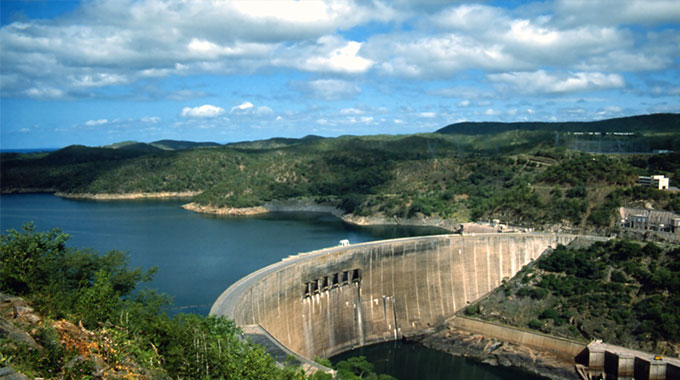
Against the backdrop of chronic power shortages affecting households and industry across Zimbabwe and Zambia, the floating solar project promises to strengthen energy security without further straining the Kariba Dam’s water resources, which are primarily allocated for hydroelectric generation.
Zimbabwe’s project taps into a proven global trend. Countries like China, home to the world’s largest floating solar farm (320MW), and Singapore have successfully deployed floating PV to conserve valuable land and reduce water evaporation from reservoirs.
The technology offers a dual advantage — it generates clean electricity while the water’s cooling effect can improve solar panel efficiency by up to 15 percent, compared to ground-mounted systems.
“The Council of Ministers noted progress on the Kariba Floating Solar PV Project, including the African Development Bank’s completion of consultant evaluations and appointment of a joint venture consortium to conduct feasibility studies,” reads the communiqué.
“In addition, COM acknowledged Zimbabwe’s authorisation of a 600MW floating solar PV power plant on Lake Kariba, to be implemented in three phases, starting with 150MW in the second quarter of 2026.
“This initiative aligns with COM’s earlier resolution allowing both Zambia and Zimbabwe to independently pursue solar projects on the lake, marking a significant step toward renewable energy development in the region.”
The project has gained further momentum with the African Development Bank completing consultant evaluations and appointing a joint venture consortium to conduct detailed feasibility studies.
The technical backing ensures the project is grounded in rigorous assessment and international best practices.
Beyond solar, the ZRA Council also reviewed progress on major regional energy projects, including the Batoka Gorge Hydro-Electric Scheme and the Zambia-Tanzania interconnection, highlighting a multifaceted strategy to overcome power shortages.
The Kariba floating solar project represents more than an energy solution; it is a symbol of regional innovation and co-operation.
As Zimbabwe moves forward with the 150MW pilot phase, this venture is expected to pave the way for greater investment in renewables, brighter economic prospects, and a more resilient power network for generations to come.