Chronicle Editor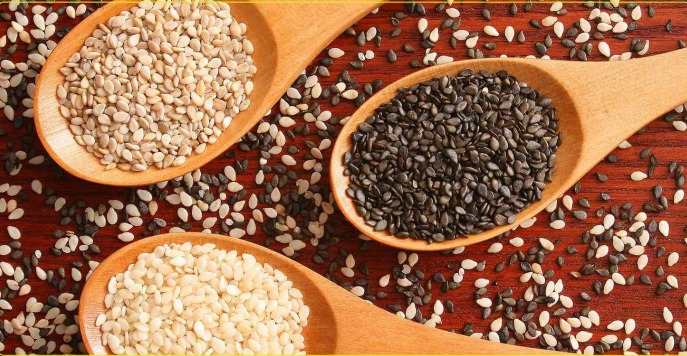
Sikhulekelani Moyo, [email protected]
The farming sector has been urged to tap into the globally lucrative sesame export market by setting up processing facilities to add value to sesame seeds instead of exporting in raw form, Zimtrade has said.
Sesame, also known as “benni-seed,” is a highly sought-after commodity in international markets due to its versatility and nutritional value.
Sesame seeds are rich in essential nutrients, such as protein, fibre, and antioxidants, making them a popular ingredient in various cuisines and food products.
Additionally, sesame oil is widely used in cooking and as a base for skincare products.
According to Zimtrade, the demand for sesame seeds in international markets has been steadily increasing over the years with recorded statistics of US$3 billion and US$3,6 billion recorded in 2018 and 2022 respectively, showing a 16 percent increase in global exports.
The prices of sesame seeds in the international market are influenced by various factors, including supply and demand dynamics, quality standards, and market trends.
China is said to be the largest consumer and importer of sesame seeds, singularly importing 44 percent of sesame in 2022 alone, the trade body said.
To that end, Zimtrade said there is vast potential for the country to tap into sesame trade.
It said there is a need for investment in processing facilities.
“While exporting raw sesame seeds can be lucrative, there is an opportunity to add value to the product and increase profit margins. Value-added sesame products, such as sesame oil, tahini, and sesame-based snacks, have gained popularity in the global market,” Zimtrade said in its August newsletter.
“By investing in processing facilities and developing a range of value-added products, Zimbabwean sesame exporters can cater to the diverse needs of international consumers and command higher prices.”
The global sesame export market presents a vast array of opportunities for Zimbabwean exporters. Asia, particularly China, is the largest consumer and importer of sesame seeds, singularly importing 44 percent of sesame in 2022 alone, the trade body said.
The Chinese market is known for its high demand for sesame-based products, such as sesame oil and sesame snacks.
“By understanding the preferences and requirements of Chinese consumers, Zimbabwean exporters can tailor their products to meet the market demand and establish profitable trade relationships. Apart from China, there are several other key markets that offer potential opportunities for Zimbabwean sesame exporters.
“These include the Middle-East, United States, Japan, India, European countries, and other African countries. By conducting market research and identifying potential importers in these markets, Zimbabwean exporters can establish valuable trade partnerships and expand their reach in the global sesame export market. By understanding the specific requirements, preferences, and regulations of these markets, Zimbabwe can position itself as a reliable supplier of high-quality sesame products.”
@SikhulekelaniM1



 Online Reporter