Online Reporter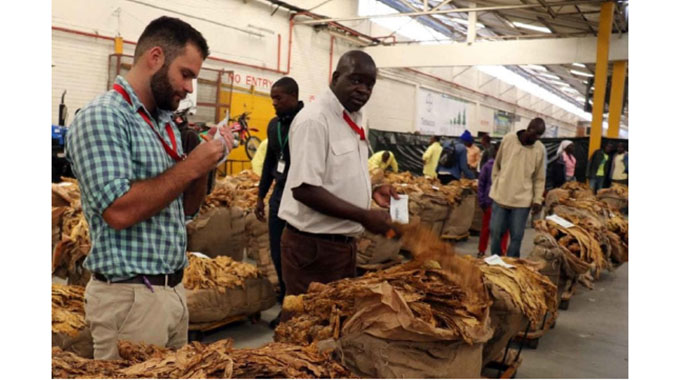
Patience Maturure Agriculture Reporter
ZIMBABWE’S tobacco sector is poised for remarkable growth, with projections suggesting it could become a US$7 billion industry by 2030. Key drivers of this expansion include increased local financing, enhanced value addition, and a significant boost in production. This anticipated growth is expected to unlock new opportunities for farmers, investors, and the wider economy.
According to the Ministry of Lands, Agriculture, Fisheries, Water and Rural Development’s Agriculture Food Systems and Rural Transformation Strategy 2 (AFSRTS2) for 2026–2030, the sector’s gross value contribution is forecast to rise from US$1.163 billion in 2025 to US$1.967 billion by 2030, representing an 11.2 percent share of overall agricultural gross value. Gross Value Contribution, commonly referred to as Gross Value Added (GVA), measures the economic impact of a company, industry, or sector.
“To capture niche markets, new types of tobacco, such as naturally cured, dark fire-cured, cigar and shisha tobacco, will also be promoted,” the strategy document states.
Zimbabwe is not only Africa’s largest tobacco producer but also ranks fourth globally, behind China, India, and Brazil.
The tobacco sector currently supports over 130 000 households and accounts for more than half of Zimbabwe’s agricultural exports. Over 85 percent of the crop is grown by small-scale farmers, with more than 60 percent benefiting from the land reform programme. The Tobacco Transformation Plan, launched in 2022, is being revised to incorporate lessons from the 2022–2025 period. The updated plan prioritises local financing, aims to boost value addition, and seeks to increase production to 500 million kilogrammes annually by 2030.
The ministry is confident that this transformation will not only strengthen the economy but also improve the livelihoods of small-scale farmers and their families. However, the industry faces significant challenges, including global anti-smoking campaigns, traceability regulations, deforestation concerns, child labour issues, marketing hurdles, and outdated legislation.
Lands, Agriculture, Fisheries, Water and Rural Development Minister Dr Anxious Masuka emphasised that AFSRTS2 is the result of extensive stakeholder consultations, incorporating input from policymakers, value chain specialists, farmers, input suppliers, financiers, government departments, and development partners.
“The AFSRTS2 is, for convenience, arranged around 10 pillars: enabling policy, regulatory and coordination environment; sustainable production and productivity; research, innovation, technology and modernisation; climate adaptation, mitigation and resilience building; rural industrialisation and rural development.
“The other pillars include investment and finance markets and trade development; enabling infrastructure development; rehabilitation and management of land and security of tenure; and building internal capacity to deliver transformation,” he said.