Online Reporter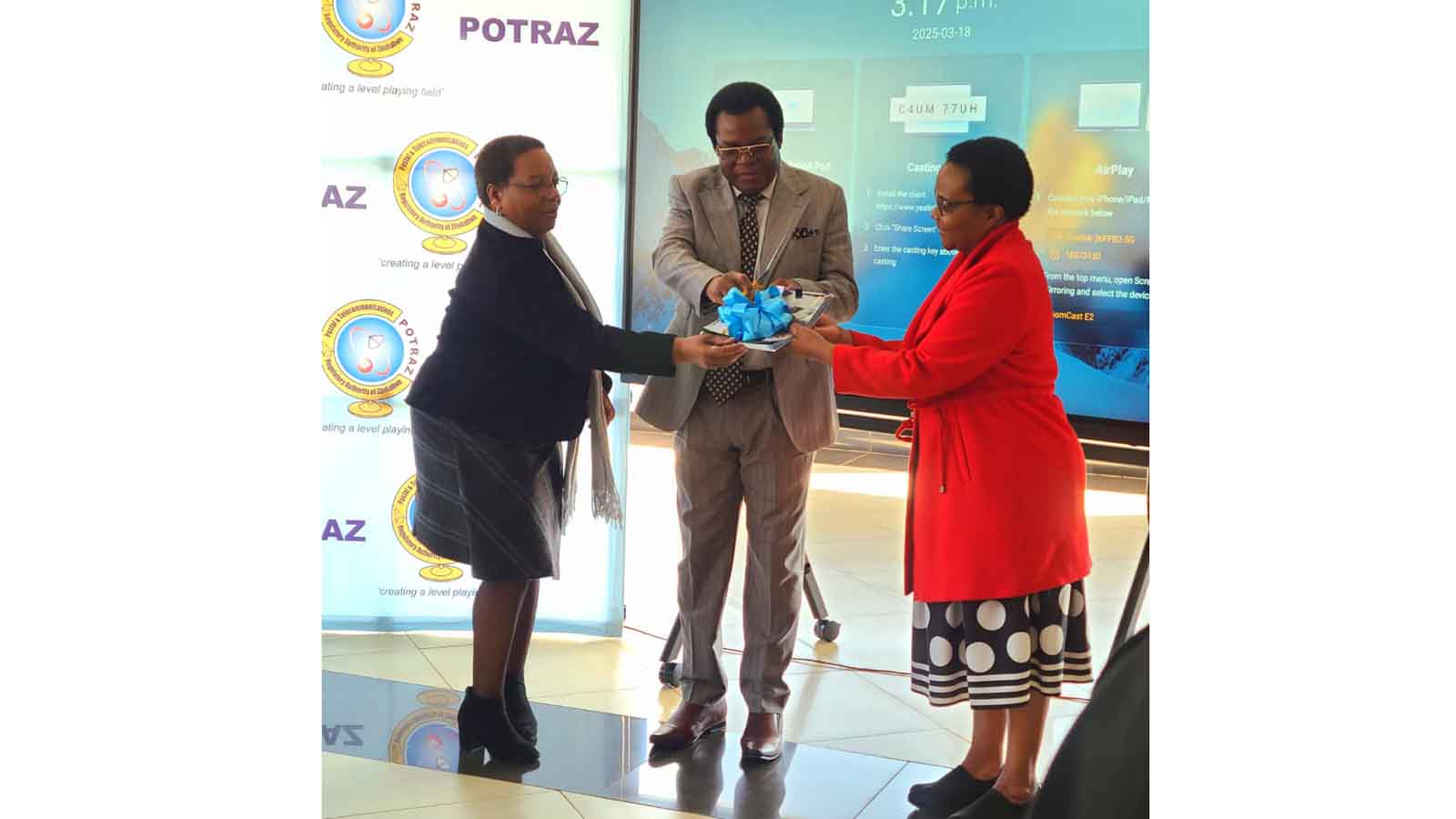
Obey Musiwa and Sekai Manyere
Zimbabwe has launched the 2025 ICT Access by Households and Use by Individuals Survey Report, providing fresh insights into how households and individuals are accessing and using digital technologies while highlighting areas where connectivity gaps remain.
The report, produced by the Zimbabwe National Statistics Agency (ZimStat) in partnership with the Postal and Telecommunications Regulatory Authority of Zimbabwe (POTRAZ), examines the country’s evolving digital landscape, covering access to communication technologies in both urban and rural communities, internet usage, smartphone adoption and the growing use of emerging technologies such as artificial intelligence in education and the workplace.
Speaking during the official launch and handover ceremony on Tuesday, POTRAZ Director-General Dr Gift Machengete said the report is more than a collection of statistics, describing it as a vital tool for national planning and development.
“No nation can chart its digital future without reliable evidence,” he said, stressing the importance of data-driven policy.
“This report is a roadmap for action. It provides Government, regulators, industry, and investors with the evidence needed to make better decisions.
“It highlights both progress and challenges, underscoring the human impact of access, affordability, and skills in shaping Zimbabwe’s digital transformation.”
ZimStat director-general, Mrs Tafadzwa Bandama said the report’s role is ensuring inclusivity under Vision 2030 and NDS2.
She indicated the disparities between provinces, rural and urban areas, and demographic groups, urging stakeholders to act on the findings.
“With the country’s digital transformation agenda anchored on leaving no one and no place behind, reliable ICT statistics remain critical in tracking progress toward a digital-inclusive economy,” she said.
“We do not want this report to gather dust on shelves. It must be used to close the digital divide and expand affordable access.”
The launch highlighted numbers behind everyday digital life, with ZimStat manager of services statistics Mr Mukoki Kureva presenting the detailed findings, showing how households and individuals are engaging with ICTs.
“At household level, 96,4 percent owned mobile phones, 75,1 percent had smartphones, but only 11,2 percent had computers. Internet access stood at 75.5%, with rural areas lagging behind urban ones.
“We discovered that 43,7 percent of individuals had basic to above-basic skills in at least one of the five ICT skill areas, while 56,3 percent had none,” he said, pointing to gaps in digital literacy.
“People called for affordable devices, better rural connectivity, and government support for schools — these are the voices we must listen to.”
By capturing how households and individuals access and use ICTs, the findings highlight both opportunities and obstacles.
More than numbers, the report reflects the lived realities of Zimbabweans, from the affordability of smartphones to the promise of AI in education.