Sikhulekelani Moyo [email protected]
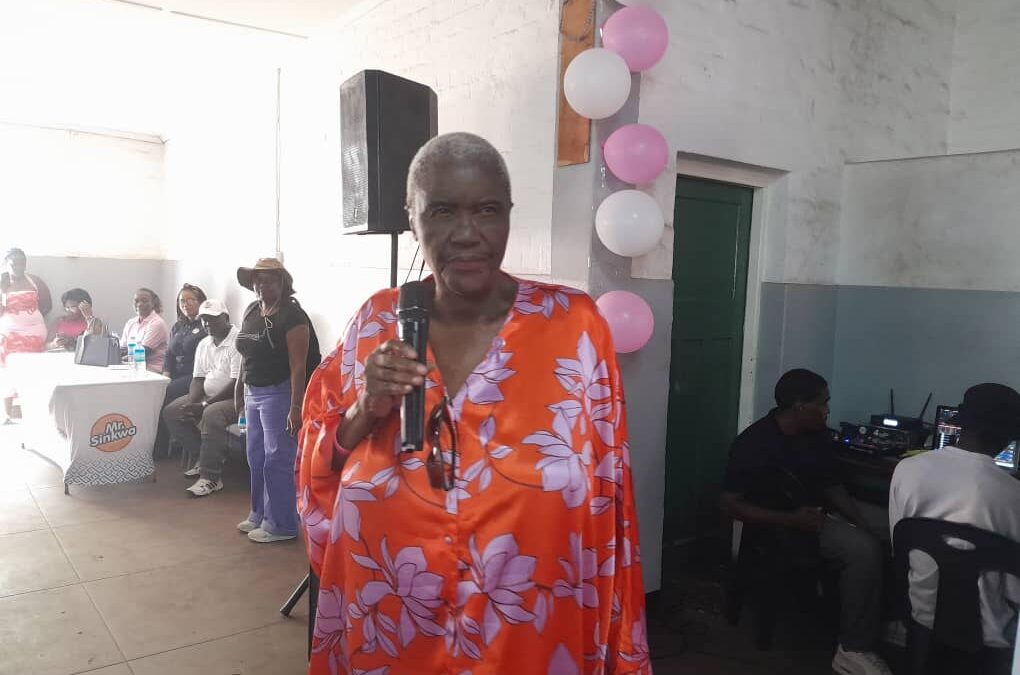
ZIMBABWE must revive community-led healthcare models, establish an independent Cancer Board and decentralise oncology services to curb rising cancer deaths, veteran medical practitioner Dr Ruth Labode has said.
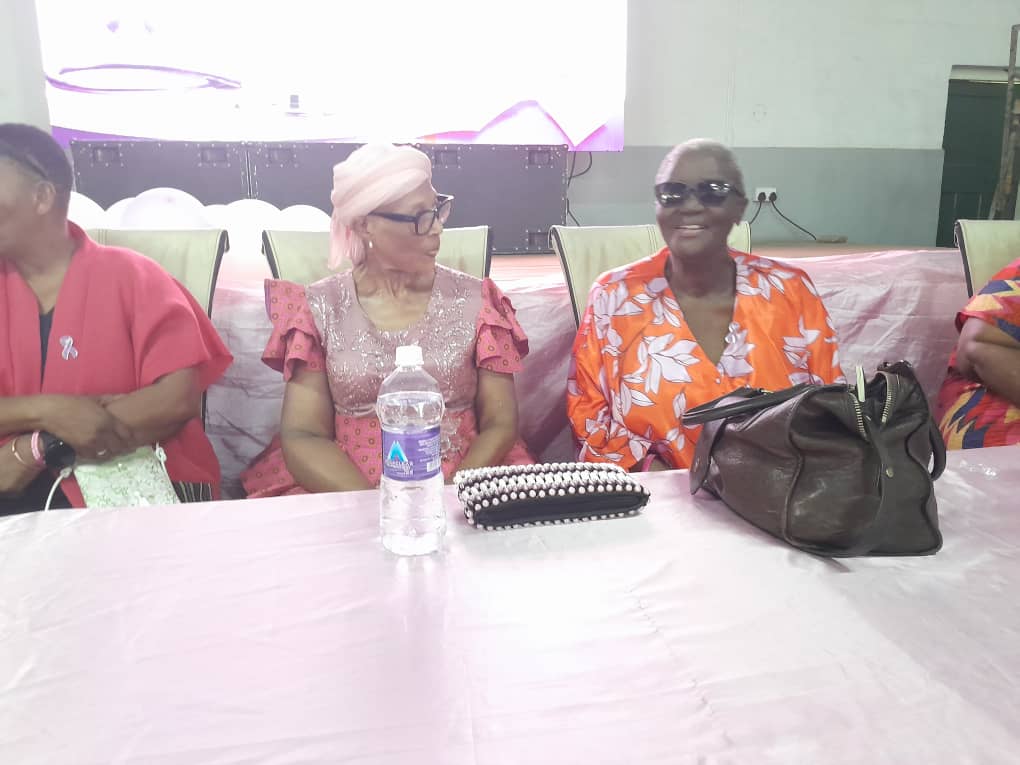
Dr Labode, a former chairperson of the Parliamentary Portfolio Committee on Health, said the country could draw lessons from its successful fight against HIV and AIDS by mobilising communities, strengthening accountability in health financing and improving access to cancer diagnosis and treatment.
Addressing delegates at a belated Pink October cancer awareness event hosted by the Dr Thokozani Khupe Cancer Foundation in Bulawayo, she said the same grassroots mobilisation that helped Zimbabwe achieve the UNAIDS 95-95-95 targets could be harnessed to confront the cancer burden.
She described cancer as a silent killer whose devastating effects were often confined to households, unlike HIV, whose impact during the peak of the epidemic triggered visible national mobilisation.
“If we conquered HIV, we can do it with cancer is. Cancer is different, yet the strategies we used previously can work now,” said Dr Labode.
“During the HIV era, mothers rose up at the community level through home-based care. Today, international partners call it ‘people-centered care,’ but it starts with us not walking past a neighbor who is in pain.”
She urged councillors and community health workers to spearhead neighbourhood-level mobilisation, saying sustained grassroots action was necessary to push for decisive Government intervention and ensure patients were not abandoned because of financial or logistical barriers.
Drawing from her experience as a Bulawayo City Council doctor and former Matabeleland North Provincial Medical Director, Dr Labode recalled how community nurses and transport voucher schemes helped connect patients at local clinics to referral facilities such as Mpilo Central Hospital.
She said such interventions ensured that indigent patients were not left to die at home because they could not afford transport or access diagnostic services.
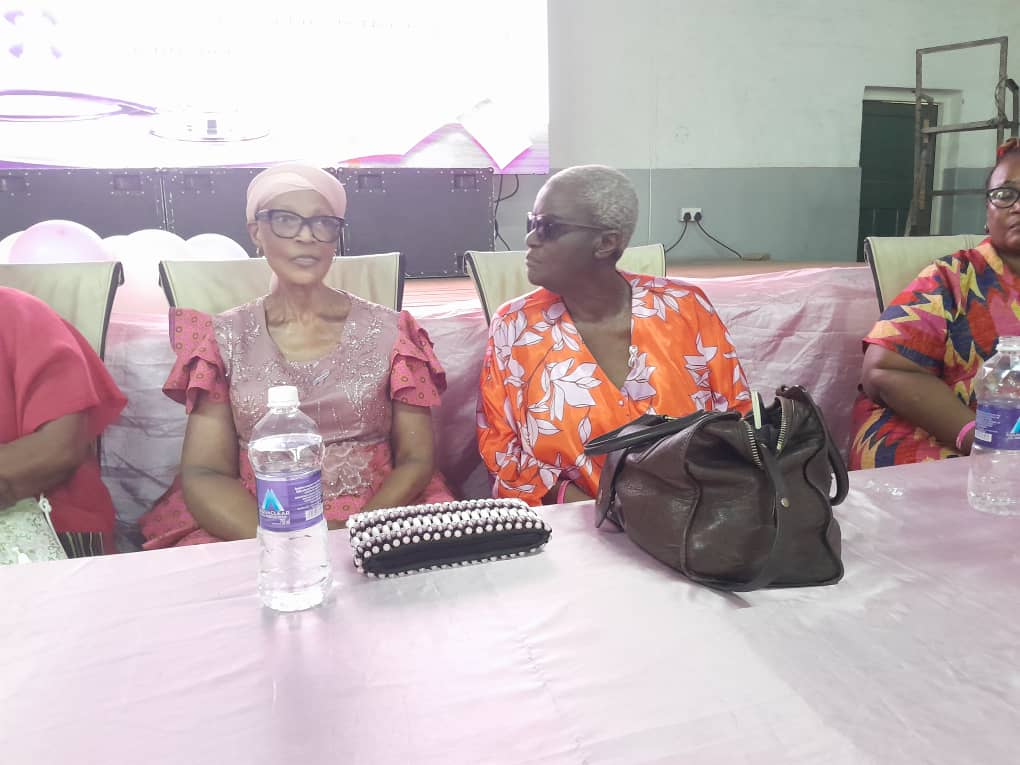
Turning to health financing, Dr Labode urged Parliamentarians, including Dr Khupe, to lobby for transparent and ring-fenced funding for cancer treatment and care.
While acknowledging the introduction of the sugar tax, she called for an independent Cancer Board modelled on the National AIDS Council to oversee resources, strengthen accountability and restore donor confidence.
“People want accountability; donors want to look through the window and see where their money is going,” she said, adding that Treasury allocations should translate into functional diagnostic and treatment equipment at public hospitals.
Dr Labode also called for cancer treatment centres to be decentralised beyond Harare and Bulawayo to regional hubs such as Gweru and Mutare to reduce the financial and physical burden of travelling long distances for treatment.
She further urged Government to invest in clinical research to evaluate and standardise indigenous medicinal plants used by traditional healers, saying some patients resorted to traditional remedies because conventional radiotherapy and chemotherapy were prohibitively expensive.
On digital health and leadership, Dr Labode, who reviews projects for WomenLift Health in Southern Africa, cited regional innovations such as zero-rated mobile platforms being piloted in Botswana to promote early breast cancer detection and reduce late presentation at hospitals.
“Parliament is a place to work and lobby,” Dr Labode told Dr Khupe. “The resources can be mobilised, and communities are ready, provided there is clear leadership and transparency.”