Online Reporter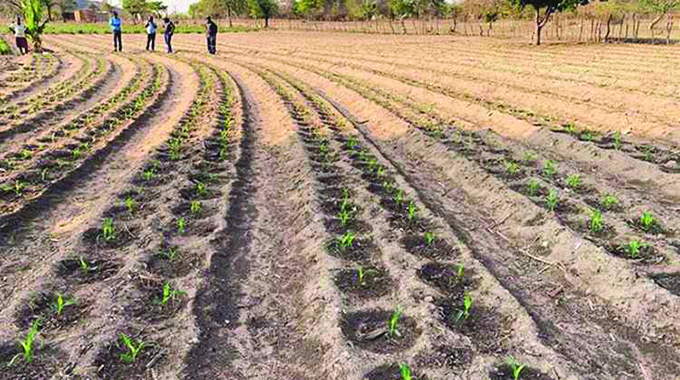
THE country has traditionally spent hundreds of millions in foreign currency to import maize to plug deficits caused by frequent droughts.
That exerted immense pressure on the economy, given the often-tight hard currency situation in the country.
But that expenditure was inevitable; people had to eat to survive, thus large sums of money had to be spent to import the staple.
In 2023, $629m was spent to import maize, the bill declining to $603m in 2024. It declined further to $443m in 2025 after the country harvested 1,2 million tonnes of the cereal.
A look at the spending on maize imports between 2024 and 2025 indicates a saving of $159m. An additional $44m was saved in January this year, a whopping 59 percent less than the sum the economy spent in January last year.
This means that we saved up to $229m between 2023 and January this year.
This is a huge saving indeed.
It came about, yes, because the country received favourable rainfall across the seasons but also as a result of adequate preparations by the Government and its partners, as well as the farmers themselves.
The Pfumvudza/Intwasa climate-proofed agriculture system, timely announcement of pre-planting prices, provision of loans by local banks such as CBZ and AFC Commercial Bank and farmers’ use of their own resources drove the output.
Farm input suppliers such as SeedCo, Zimplow and ZFC Limited were ready to supply seed, machinery and fertiliser respectively, which enabled the country to reap big and post the huge foreign currency savings over the past three years.
But big harvests bring more benefits beyond dollars and cents. They assert national food self-sufficiency nd food sovereignty. The Government will not go about seeking food aid from development partners.
The foreign currency that would have been spent importing food is now being spent to import important items and services that we cannot produce domestically. This includes medicines, medical equipment, fuel and so on.
We look forward to yet another good harvest this year, which would mean adequate food for national consumption and more foreign currency savings.
The decent performance of the maize subsector is reflected in yet another important crop — wheat. Our country has harvested enough of the cereal for local consumption since 2022, when 375 000 tonnes were harvested, slightly more than the 360 000 tonnes annual demand. This has meant foreign currency savings as well.
We are happy we are on the right path as a country. We must work harder to ensure that we grow more of these two staples to shield ourselves against market disruptions, ensure food sovereignty and promote savings.