Online Reporter
Rutendo Nyeve, [email protected]
SOUTH Africa has expressed keen interest in taking a leaf from Zimbabwe’s biofuel and ethanol blending programme, describing it as a potential game changer in mitigating the impact of geopolitical disturbances in the Middle East, which have triggered sharp increases in fuel prices and other commodities.
This emerged following a bilateral meeting between the Minister of Agriculture, Mechanisation and Water Resources Development, Dr Anxious Masuka and his South African counterpart, Mr John Steenhuisen in Victoria Falls recently.
The two ministers were laying groundwork for a larger Bi-National Commission (BNC) scheduled for next month, where several Memoranda of Understanding are expected to be finalised.
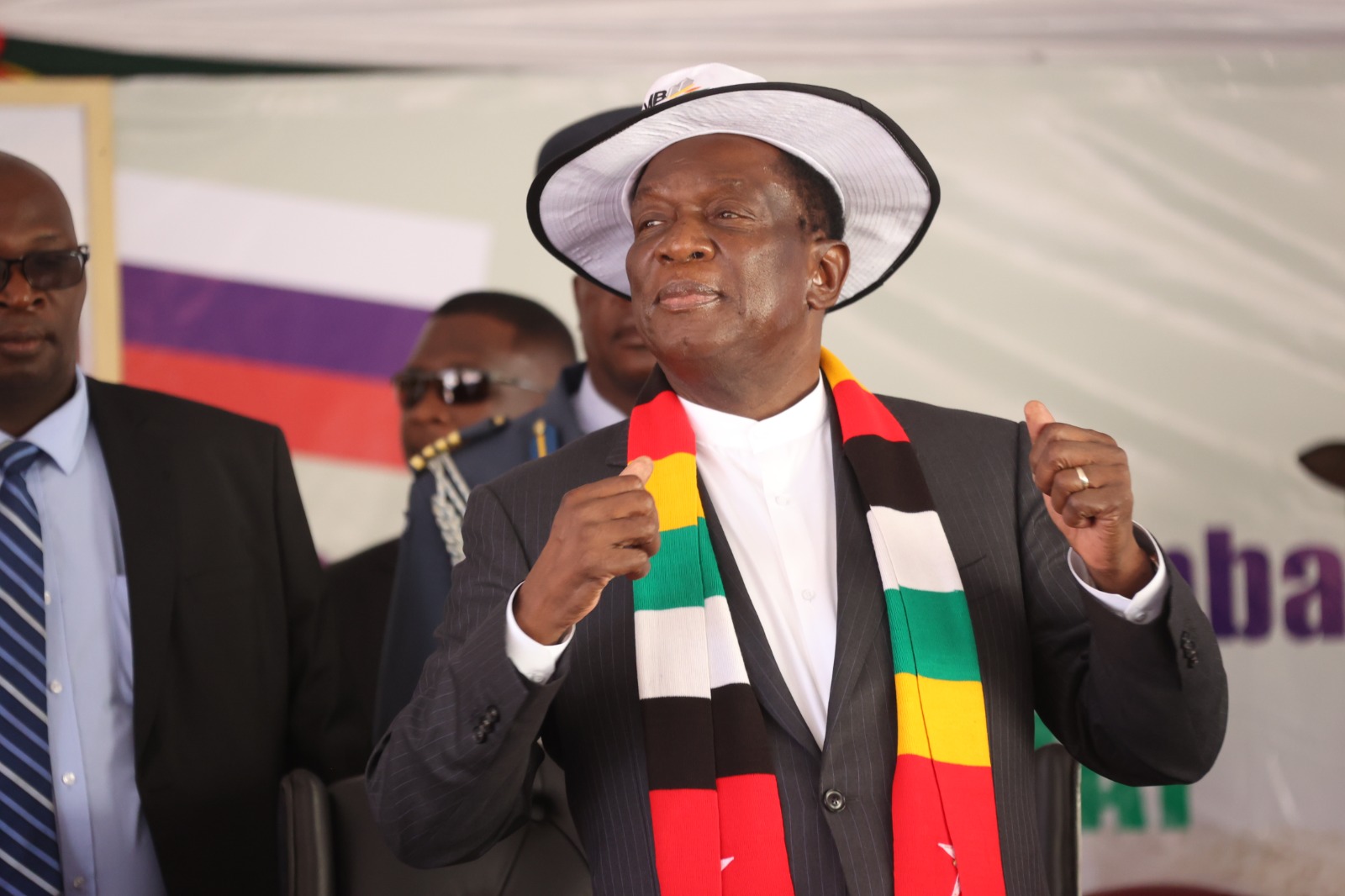
Speaking after the meeting, Minister Steenhuisen acknowledged that South Africa has lagged behind Zimbabwe in adopting biofuel solutions. He said his country is now moving urgently to catch up.
“Zimbabwe’s made significant progress on biofuels and biofuel ethanol mixes, which is something South Africa has lagged behind on. We are now moving to try and get those particular biofuels up and running to help reduce the input costs for our farmers,” said Minister Steenhuisen. “It was very interesting to understand the Zimbabwe experience around ethanol and ethanol production in terms of being able to do the mix to lower the cost and reliance on oil.”
The South African minister linked the urgency directly to global shocks emanating from the Middle East, including
the war in the Asian Gulf region, which has disrupted supply chains for fuel and fertilisers.
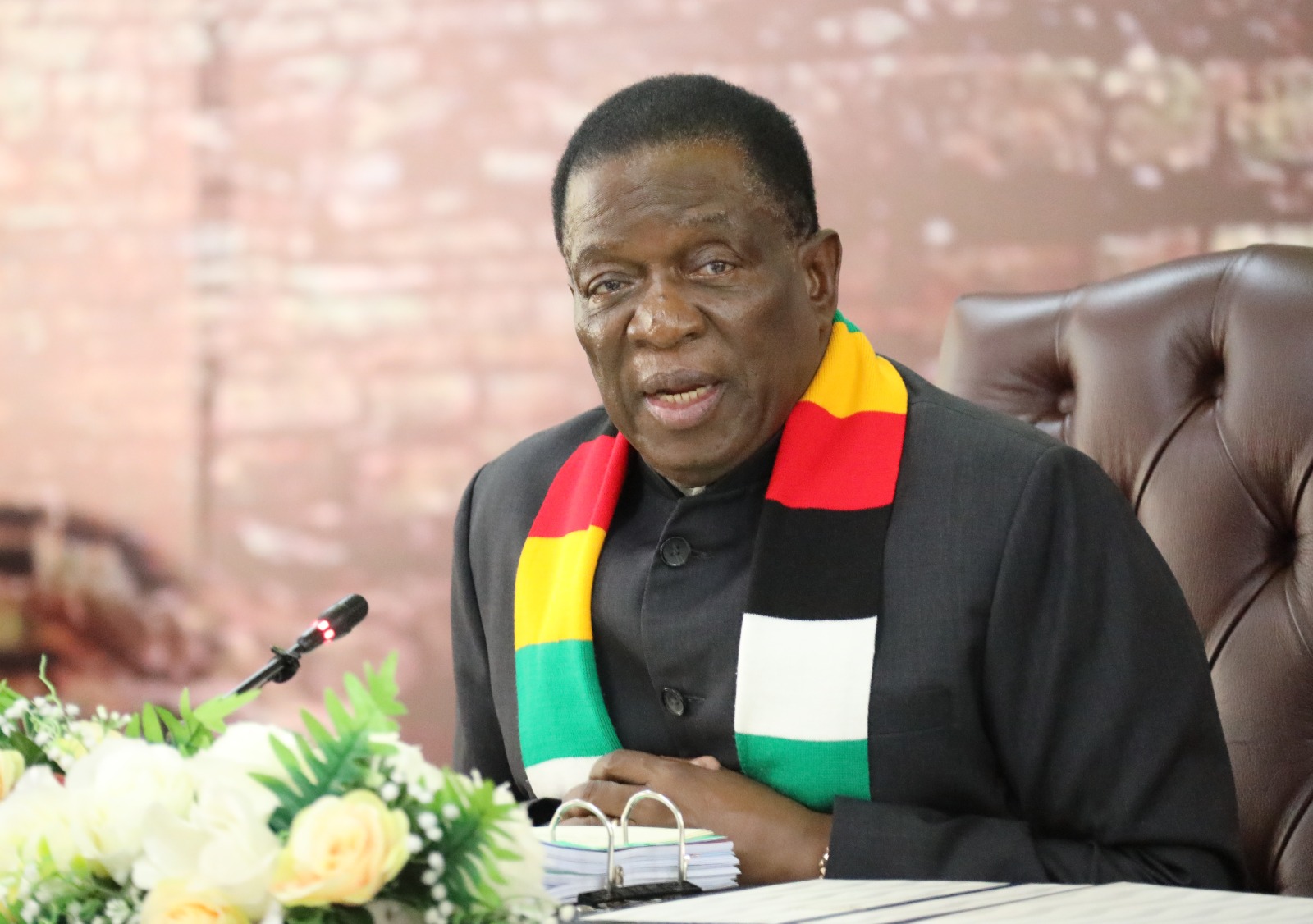
Dr Masuka said Zimbabwe is already scaling up sugarcane production to shift from traditional sugar refining towards ethanol manufacturing.
The country currently produces 155 million litres of ethanol annually but has set an ambitious target of 600 million litres per year by 2035.
“We shared the experience of South Africa on our ethanol escapades and the success that we have now blending petrol into E20. South Africa is willing to learn from Zimbabwe on how we are doing that,” Dr Masuka said.
“As Zimbabwe, we are changing the whole sugar industry direction from producing sugar from sugarcane to producing more ethanol from sugarcane. We wanted to produce 600 million litres a year by 2035 from the current 155 million litres that we produce a year in terms of ethanol.”
The two ministers also discussed the broader challenges facing the region, including foot and mouth disease, which has now affected 11 SADC member states, as well as shortages of fertilisers and rising fuel prices linked to geopolitical tensions.
Minister Steenhuisen said the BNC in July will be critical for finalising outstanding MoUs, particularly those related to agriculture and trade.
“We are particularly interested in working together with Zimbabwe on combating foot and mouth disease because we are neighbours and because the disease has now impacted 11 SADC member states. We want to explore ways of deepening and widening the cooperation on that,” he said.
Dr Masuka said both nations have committed to completing the MoU process before the BNC.
“We discussed the ravaging scourge of foot and mouth disease in the SADC region, but more importantly in our two countries and the need to collaborate, harmonise our control strategy so that they could begin to trade the livestock,” he said.
The upcoming BNC is expected to cement a new era of energy and agricultural cooperation between the two neighbours with biofuels emerging as a strategic shield against volatile global oil markets.