Online Reporter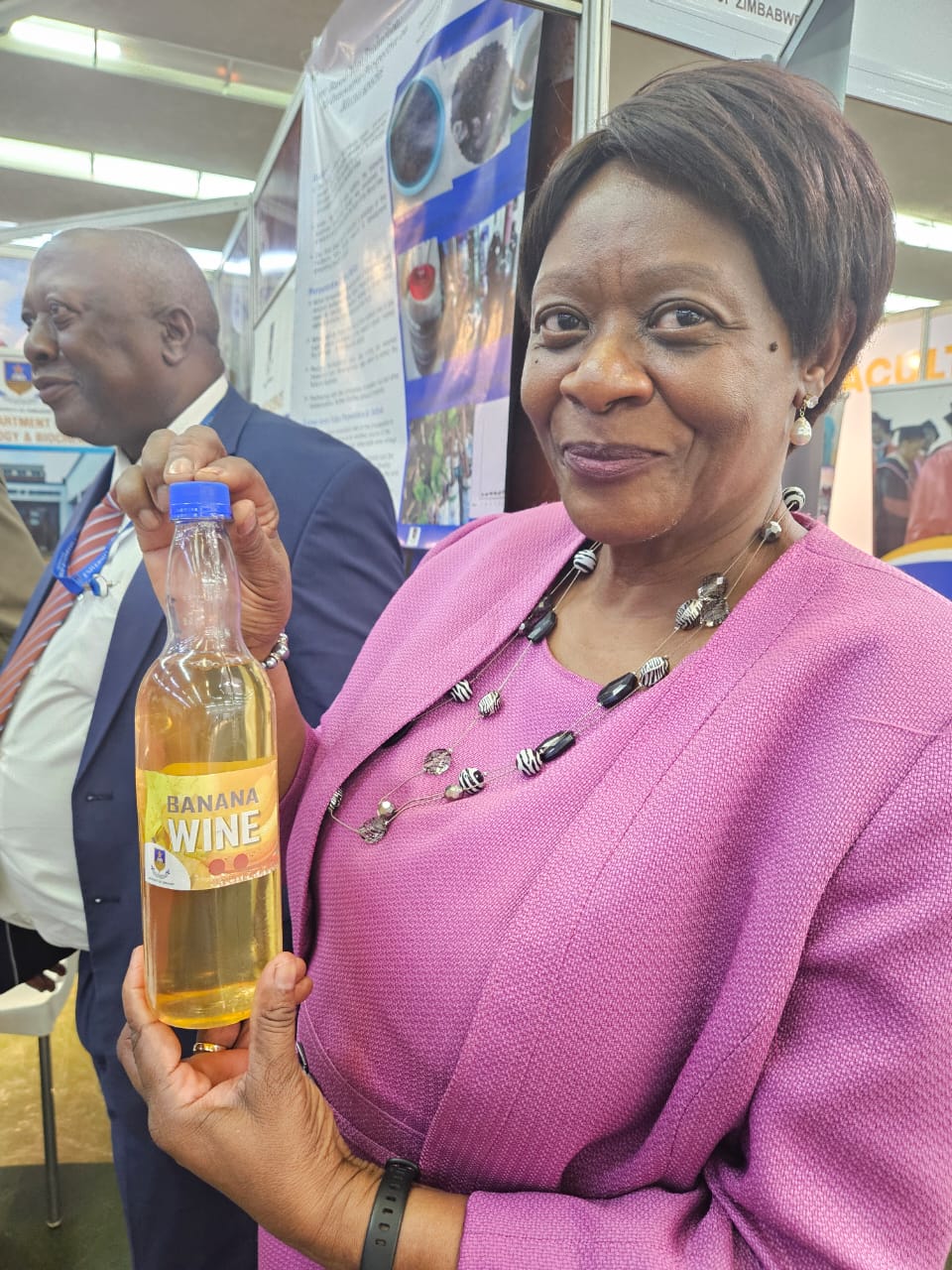
Sifelani Tsiko, Fact Check Editor
Government has been urged to establish an appropriate legal and regulatory framework to help accelerate the development of the country’s biotechnology ecosystem, a top biotechnology expert has said.
In her keynote address, Professor Idah Sithole Niang, a University of Zimbabwe Faculty of Science dean told participants at the opening of the country’s first Biotechnology Expo that having appropriate legal and regulatory frameworks under the Zimbabwe’s National Biotechnology Policy, established in 2005, could help address a lack of clear rules, improve efficiency, and ensure accountability.
She said creating new laws or amending existing ones could provide certainty for investors or stakeholders, define rights and responsibilities and enable the effective implementation of biotechnology programmes.
“Government has a role to establish appropriate legal and regulatory frameworks to support the implementation of the country’s National Biotechnology Policy of 2005,” Prof Sithole Niang said.
“Following the launching of the National Science and Technology Policy of 2002, which was then followed by Zimbabwe’s Second Science, Technology, and Innovation (STI) Policy in June 2012 to replace the 2002 policy, the government has a big role to ensure the development of biotechnology in the country.”
Zimbabwe launched the National Biotechnology Policy in 2005 to develop the country by advancing biotechnology in agriculture, healthcare, and industrial manufacturing.
This policy is supported by the National Biotechnology Authority (NBA), created by the 2006 National Biotechnology Authority Act, which manages biotechnology research and application, and promotes biosafety to protect human health and the environment.
The policy also committed to allocating 0.5 percent of Gross Domestic Product to biotechnology research and development.
The National Biotechnology Authority of Zimbabwe (NBA) held the first Biotechnology Expo to showcase latest advancements in biotechnology and facilitate dialogue on the role of biotechnology in driving sustainable development.
This expo which took place from October 22 to 23 at the University of Zimbabwe Innovation Hub was held under the theme: “Innovating Heritage: Pioneering industrialisation through Biotechnology.”
The expo brought together representatives from academia, industry, government, and international partners to explore the vast potential of biotechnology in addressing both national and global challenges.
“We still have a GM (genetically modified) moratorium. There is no GM research except in registered facilities. Registration is prohibitive and counterproductive to research, teaching, innovation and competitiveness,” Prof Sithole Niang said.
The Government has taken the precautionary approach to ensure biotechnology-derived products are safe to consume as food or feed, and safe for the environment.
“It regulates GMOs based on the characteristics of the actual products and their intended uses, and must ensure the safety of plants, safety of pesticides used, the safety of foods we eat and feeds given to animals,” she said.
“Government must have a role in the development, use, and marketing of these products as well.”
Professor Ereck Chakauya, another prominent biotechnology expert of the AUDA NEPAD Southern Africa Network for Biosciences (AUDA NEPAD SANBio) said there was need to promote closer collaboration between researchers and the private sector.
This, he said, was important to drive the commercialisation of research outputs in the country’s industries.
Higher and Tertiary Education, Innovation, Science and Technology Development Ministry Permanent Secretary, Professor Fanuel Tagwira said the hosting of the country’s first Biotechnology Expo was a crucial step for the country.
“This momentous event marks a significant milestone in our journey towards promoting innovation, scientific advancement and sustainable development through the application of biotechnology in Zimbabwe,” he said.
“The Biotechnology Expo serves as a platform to showcase the ingenuity, creativity and collaborative spirit of our biotechnology community, highlighting the immense possibilities that biotechnology offers in addressing some of the most pressing challenges facing our nation and the world.”
Biotechnology – defined by experts as the use of biological systems to produce goods and services, has the potential to modernise medicine, agriculture and other critical sectors if properly harnessed.
The NBA has played its part in using home-based resources to develop local products through biotechnology innovation.
Two products that have successfully made their way from research to the commercialisation stage include Mapfura Wine and Cofsil cough syrup.