Online Reporter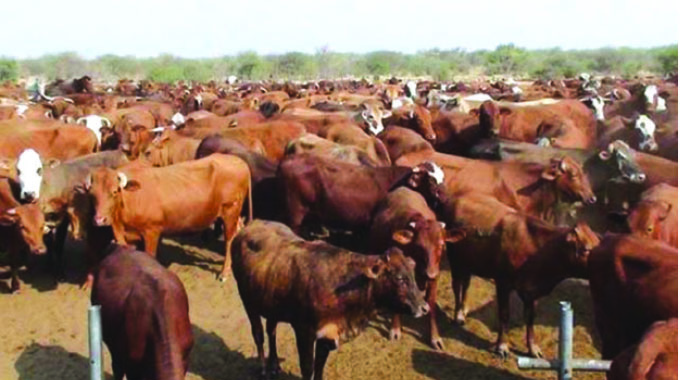
Stephen Mpofu, Perspective
THE developmental mantra of the current Zimbabwean Government — of the people, by the people, for the people — is being tested by a crisis threatening to wipe out cattle in parts of the Midlands Province.
The Government’s stated position is that no one and no place will be left behind in development, with both human and capital resources mobilised to achieve that goal. Yet, a devastating cattle disease is turning this promise on its head. The absence of dipping chemicals has led to livestock dying in alarming numbers. Some villagers, stripped of their oxen, are now forced to rely on donkeys for draught power to till their land and grow food during the current rainy season.
Fear has driven many to sell their cattle at distress prices. A beast is reportedly fetching as little as R10 000 — money that is then used to buy donkeys costing about R3 000 each. It is a desperate trade-off, born not of choice but of survival.
Villagers say dipping chemicals are in short supply in their areas. Supplies reportedly have to be imported from South Africa at a staggering cost of about R2 000 per litre — a price far beyond the reach of most communal farmers who depend on Government-supported dipping services.
No immediate explanation could be obtained from the Veterinary Services Department on why dipping chemicals are scarce. As a result, many cattle dips stand idle while disease spreads unchecked.
Cattle remain central to rural livelihoods beyond their role as draught power. They are a store of wealth, a source of school fees, and a safety net during hard times. Losing these animals strips families of the economic stability built over generations.
The sale of cattle at giveaway prices has wider consequences for rural economies. Middlemen profit while producers lose value. Once sold, rebuilding herds will take years, even if disease control improves.
Donkeys, while useful, cannot fully replace oxen in the heavy soils common in parts of the Midlands, such as Mberengwa district. Their use limits acreage and delays planting, compounding losses already caused by late land preparation.
Some households are now forced to prioritise survival over productivity. Time spent managing sick animals or searching for alternatives reduces attention given to planting, weeding and crop management.
Some villagers are reportedly selling cattle at rock-bottom prices rather than watch them die. Others, having lost their animals entirely, are digging their fields with hoes to plant their crops.
But hoes cannot till land the way ox-drawn or tractor-drawn ploughs can. This limits the size of land cultivated and reduces yields at a time when food security is already fragile.
With the rainy season underway, the impact of delayed support is immediate. Every missed day of effective land preparation reduces harvest prospects for affected households.
If the mantra that “no place and no one will be left behind” is to hold meaning, it must be reflected in action on the ground. No place and no one should be left behind to starve in a brave new Zimbabwe.