daniel chigunwe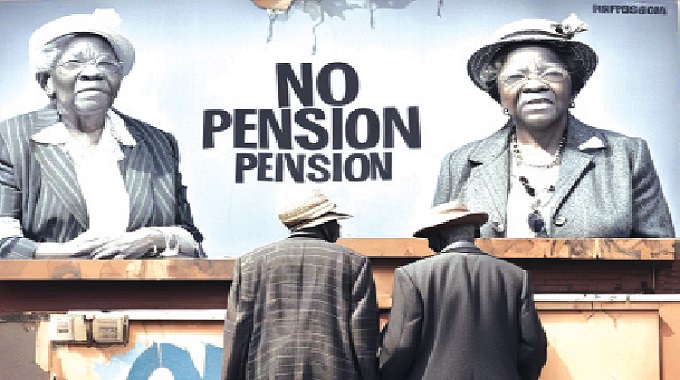
Economy Uncensored with Tapiwanashe Mangwiro
Zimbabwe faces a daunting challenge: a potential wave of old-age poverty in the current working generation.
The root of this issue lies in the staggering statistic that nearly half of the country’s labour force is employed within the informal sector, with no safety net of social security to rely on during retirement years.
The Zimbabwe National Statistical Agency reports that 41,3 percent of the employed population is in the informal non-agriculture sector, and the agriculture sector accounts for 22,9 percent. Such a scenario presents a grim outlook for the future, demanding urgent attention from policymakers, economists, and society.
The Predicament of Informality
The dominance of the informal sector in Zimbabwe’s labour force has far-reaching implications, particularly concerning retirement and old-age security.
With a significant portion of the population engaged in informal activities such as street vending, small-scale farming, and artisanal mining, traditional avenues for retirement savings, such as pension schemes and formal employment benefits, are often inaccessible or non-existent. Consequently, workers in the informal sector are left vulnerable to financial insecurity in their later years.
Implications of Old-Age Poverty
An aging population without financial security will become heavily dependent on younger generations, placing a significant strain on families and social systems. This increased dependency ratio can lead to higher poverty rates among younger people as well.
Older adults are more likely to suffer from chronic illnesses, requiring more healthcare services. Without financial resources, the burden on public healthcare systems will escalate, leading to overcrowded and underfunded healthcare facilities.
High levels of old-age poverty can lead to social instability, with increased crime rates and social unrest as people struggle to meet their basic needs.
A population with limited purchasing power and high dependency on social services can hinder economic growth. The lack of disposable income among the elderly can reduce overall demand for goods and services, stalling economic development.
Possible Solutions
Addressing the looming old-age poverty crisis in Zimbabwe requires multifaceted solutions that encompass policy reforms, economic strategies, and social interventions.
Encouraging the formalisation of informal businesses can help integrate more workers into the formal economy, making them eligible for social security benefits.
This can be achieved through incentives such as tax breaks, simplified registration processes, and access to business training programs.
Expanding the social security net to cover informal sector workers is crucial. This could involve creating flexible pension schemes tailored to the irregular income patterns of informal workers. Micro-pension schemes, where small, regular contributions accumulate over time, can provide a viable solution.
Promoting financial inclusion through access to banking services, microfinance, and mobile money can help informal workers save and invest for the future. Financial literacy programs can educate people about the importance of savings and long-term financial planning.
Collaborating with private sector players to develop affordable insurance and pension products tailored to the needs of informal workers can mitigate old-age poverty.
Private insurance companies can offer low-cost, flexible insurance plans that cater to the financial realities of the informal sector.
For those in the agricultural sector, providing support through subsidies, access to modern farming techniques, and market access can increase productivity and income, allowing for better financial planning and savings.
Also, encouraging community-based savings groups and cooperatives can provide a safety net for informal workers. These groups can pool resources to provide loans, insurance, and savings mechanisms.
What Needs to Be Done
To effectively tackle the issue of old-age poverty in Zimbabwe, a comprehensive and coordinated effort is required.
The Government must prioritise the implementation and enforcement of policies aimed at formalising the informal sector and expanding social security coverage. This includes passing legislation that incentivises formalisation and ensures compliance with labour laws.
Conducting nationwide awareness campaigns to educate informal workers about the benefits of formalisation, social security schemes, and financial planning is essential.
These campaigns can be conducted through community meetings, media outlets, and collaboration with non-governmental organisations.
Strengthening the capacity of institutions responsible for social security and financial inclusion is crucial.
This involves training staff, improving infrastructure, and leveraging technology to reach remote and underserved populations.
Establishing robust monitoring and evaluation mechanisms to track the progress of interventions and adjust strategies as needed will ensure that efforts are effective and sustainable.
Seeking support from international organisations and development partners can provide technical assistance, funding, and best practices from other countries that have successfully addressed similar challenges.
Zimbabwe stands at a critical juncture where proactive measures can prevent a future old-age poverty crisis. The high informality of the economy poses significant challenges, but with strategic interventions, policy reforms, and a collaborative approach, the country can secure a better future for its aging population.
Ensuring financial security for the elderly not only promotes social stability but also fosters economic growth and development. It is imperative for the Government to act now to safeguard the well-being of its current and future generations.
Tapiwanashe Mangwiro is a resident economist with the Business Weekly and writes this in his own capacity. @willoe_tee on twitter and Tapiwanashe Willoe Mangwiro on LinkedIn



 Online Reporter