Online Reporter
Moses Magadza in CHIKOMBEDZI, Zimbabwe
THE Parliament of Zimbabwe this week begun a series of public hearings on the Climate Change Management Bill 2025 as the country seeks to legally anchor its climate response in line with global commitments.
Sweden is funding the hearings through the Sexual Reproductive and Health Rights, HIV and AIDS Governance project.
The consultations, which are running from October 20-27, 2025, will gather views from citizens, experts, civil society, traditional leaders and industry representatives across all provinces.
The consultations are being led by the Portfolio Committee on Environment, Climate and Wildlife, together with the Thematic Committee on Climate Change.
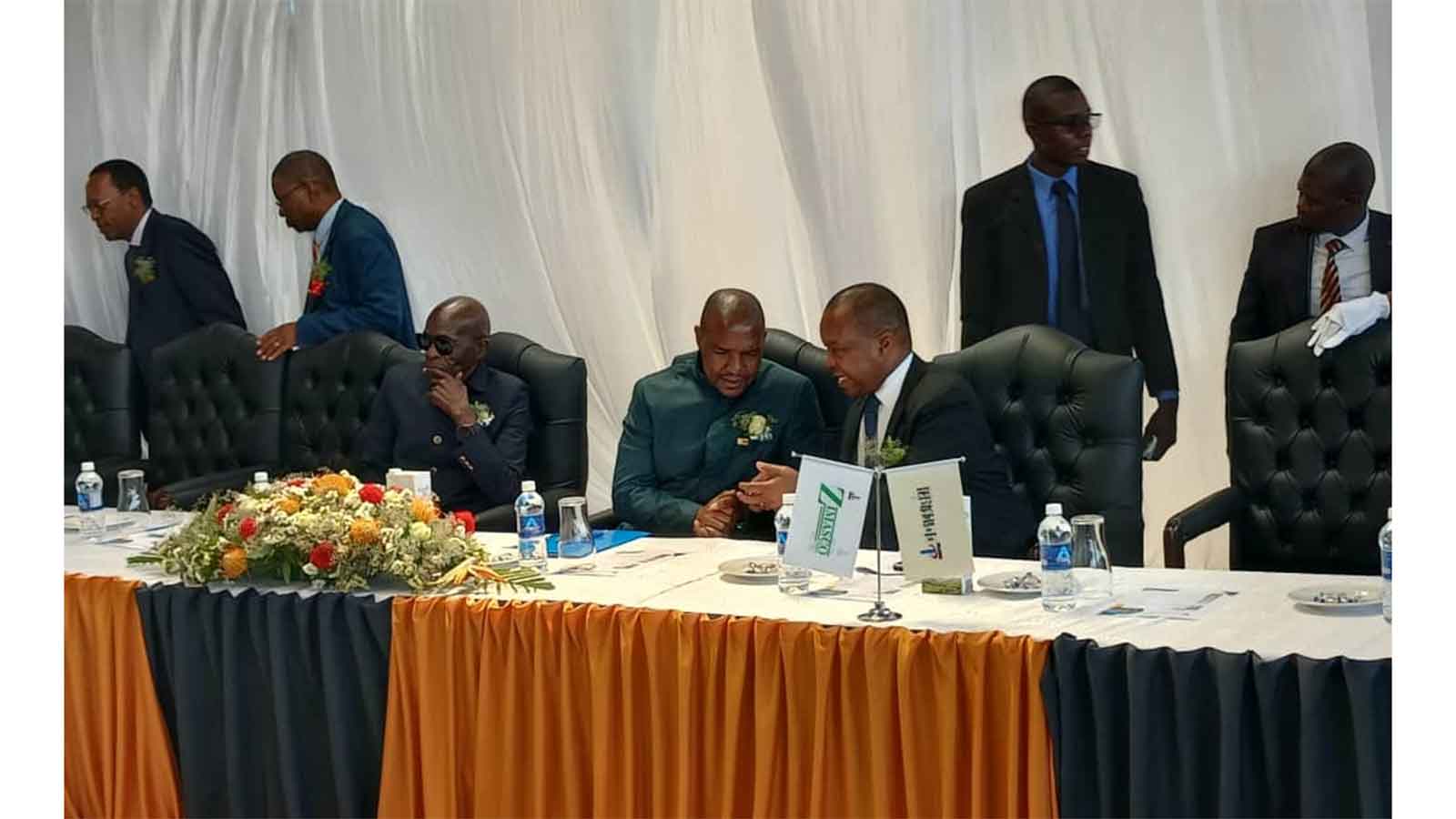
Consultations are designed to ensure that the Bill, once enacted, reflects public priorities and strengthens national resilience to climate threats, according to Mr Samson Matema, who leads the team that held a hearing at Chokombedzi on Tuesday.
Parliament, he said, was committed to inclusive law-making.
Overall, the proposed law seeks to give Zimbabwe a clear and enforceable framework to manage the growing impacts of climate change while promoting sustainable development.
Further, it is designed to align Zimbabwe with international climate obligations while protecting people, infrastructure and the environment from worsening climate shocks.
Mr John Mazani, a principal committee clerk at the Parliament of Zimbabwe, indicated that the Bill recognises citizens’ rights to participate in climate decision-making and promotes transparency, accountability and access to climate information.
Its objectives include reducing greenhouse gas emissions, promoting low-carbon development, building resilience to droughts, floods, heatwaves and other climate threats, and ensuring a just transition that safeguards communities and vulnerable groups.
While upholding the polluter-pays, equity and climate justice principles, the envisaged law also proposes the creation of several institutions to drive climate governance.
They include a Climate Change Management Department to coordinate climate programmes nationwide, decentralised to provincial and district levels; a Climate Transparency and Compliance Unit to monitor greenhouse gas emissions and ensure accurate reporting; a National Ozone Unit to enforce regulations protecting the ozone layer; a Loss and Damage Unit that will collect and track climate-related disaster losses and mobilise recovery resources; a Carbon Trading Unit, operating as the Zimbabwe Carbon Markets Authority (ZiCMA), to regulate carbon credit trading and ensure benefits reach communities; and climate financing through a national fund.
Mr Mazani highlighted the Bill’s proposal to establish a National Climate Fund to support adaptation and mitigation projects nationwide.
The fund would be financed from climate levies, carbon trading proceeds, carbon tax, tobacco levy allocations, parliamentary appropriations, donations and grants.
It will help climate-proof local economies, support disaster response, finance clean energy projects and promote technologies that reduce emissions.
The Bill, Mr Mazani added, makes climate action a legal obligation for all sectors.
Ministries, departments and agencies, provincial councils, local authorities and private entities will be required to integrate climate risk reduction into their plans and operations.
Each public institution must appoint a climate change focal officer to oversee implementation.
Local authorities will be empowered to pass by-laws to tackle local climate risks such as land degradation and deforestation.
In addition, the Bill includes penalties for those who violate climate regulations, including fines and imprisonment for serious offences.
Corporate directors and partners who knowingly ignore compliance obligations may also be held liable.
Expectations are running high.
For Councillor Memory Maroka, vice chairperson of the Chiredzi Rural District Council who attended the hearing, the consultation was timely.
“I have lived in this area for 27 years,” she said in an interview.
“Climate change is not a topic in a textbook here. It is our everyday life. Our fields are drying, rivers are disappearing and our children are suffering. I came here today because I want to be part of the solution.”
Chambuta Primary School head Mr Nyasha Manzunzu explained how climate change has disrupted children’s education.
“When bridges are swept away by floods, learners stop coming to school,” he said.
“When droughts hit, they stay home to fetch water. Girls suffer the most because they must look for firewood and water. Some never return to school. This Bill must protect education. It must help us adapt so our children are not left behind.”
Prince Thomas, Junior Member of Parliament for Chiredzi South, said young people are impatient for action.
“We want this Bill finalised. Climate change is stealing our future. The heat here is unbearable. Deforestation has destroyed our trees. Women walk kilometres for firewood. Anyone who destroys the environment must be punished,” he said.
Senator Tambudzani Mohadi said the Bill reflected President Emmerson Mnangagwa’s mantra of inclusivity.
“Our duty as parliamentarians is to represent the people. Not everyone can go to Parliament, so Parliament must go to the people. Whatever law we pass must come from the people. Climate change threatens our crops, our livestock, our health, even access to clean water. This Bill will help us adapt,” she stated
The hearings continue across the country until October 27, with Parliament collecting submissions that will shape amendments to the Bill before it returns to the National Assembly.