

 Chronicle Editor
Innocent Mujeri, Correspondent
THE 2025 National Budget offers a lifeline to the National Railways of Zimbabwe (NRZ), an institution that holds the key to unlocking Zimbabwe’s industrial and economic potential.
With a targeted allocation of ZWG180 million, the budget sets the foundation for revitalising rail infrastructure, upgrading critical systems, and ensuring that NRZ becomes a reliable, efficient, and competitive transportation network. This is not just an investment in railways — it’s an investment in Zimbabwe’s future.
The Government’s focus on NRZ in this budget comes at a crucial time when Zimbabwe’s logistics and transport sector needs a transformative solution to reduce costs, improve efficiency, and bolster economic competitiveness.
Years of illegal sanctions and underinvestment have left NRZ in dire need of repairs and modernisation. Finance, Economic Development and Investment Promotion Minister, Professor Mthuli Ncube, highlighted that this intervention is not just about restoring NRZ, but re-imagining it as a pillar of economic development.
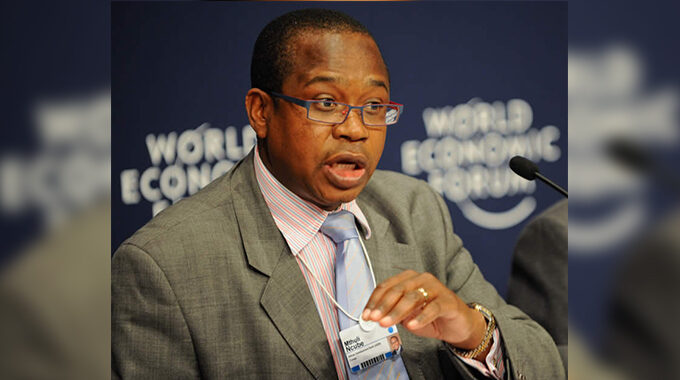
In his 2025 budget statement, Prof Ncube emphasised that the allocation of ZWG180 million will focus on key areas that will breathe new life into NRZ. The bulk of the funding will go towards rehabilitating and upgrading the rail infrastructure, ensuring rail tracks, signalling systems, and depots are modernised to meet global standards.
This will drastically reduce derailments and delays, which have previously undermined NRZ’s reliability and profitability. Furthermore, the recapitalisation plan also includes procuring new rolling stock, such as locomotives and wagons, while maintaining the existing fleet to ensure consistent and dependable service delivery.
Prof Ncube underscored that NRZ revival is a capital-intensive project, which is why Public-Private Partnerships (PPPs) and loans from development banks will be leveraged to augment Government funding. This approach allows private investors to play a key role in modernising Zimbabwe’s railways, creating an opportunity to introduce global expertise, financing, and technology to an industry that has long struggled with under-performance.
This intervention could not have come at a better time for Zimbabwe’s mining, agriculture, and manufacturing industries, which heavily rely on bulk transportation. Rail remains the most cost-effective and energy-efficient method of moving large volumes of goods across long distances. Farmers exporting crops such as tobacco and maize will see a significant reduction in logistics costs, improving their profitability and allowing them to compete better in regional and international markets.
Similarly, mining companies transporting commodities such as coal, platinum, and gold will benefit from an efficient rail system that lowers transportation costs, while increasing export volumes.
For Zimbabwe’s economy, this investment into NRZ has broader implications. Improved rail efficiency will reduce the over-reliance on road transport, which has taken a toll on the country’s highways. Heavy trucks transporting goods have contributed to the rapid degradation of roads, forcing the Government to allocate huge sums for road rehabilitation each year. By shifting bulk cargo back to rail, the Government will not only save on road maintenance costs but also ensure safer highways with fewer accidents caused by overloaded vehicles.
At a regional level, a resurgent NRZ will position Zimbabwe as a vital logistics hub in southern Africa. Rail connectivity with neighbouring countries such as South Africa, Zambia, and Mozambique will enhance cross-border trade by providing seamless movement of goods. Zimbabwe’s strategic position in the North-South Corridor — a key regional trade route — means that an efficient rail system will attract transit cargo, boosting revenue and strengthening regional economic integration.
Beyond the economic benefits, the NRZ recapitalisation programme is also a win for ordinary Zimbabweans. The rehabilitation of rail infrastructure and the procurement of new rolling stock will create thousands of jobs, both directly and indirectly.
Construction workers, engineers, and logistics experts will find employment opportunities as NRZ embarks on its modernisation journey. The ripple effect will be felt in downstream industries, where businesses providing services and materials to NRZ will experience a surge in demand.
Moreover, the long-term benefits of this investment extend to the environment. Rail transport is one of the most environmentally friendly modes of transportation, producing significantly lower carbon emissions compared to road freight. As Zimbabwe aligns its policies with global climate commitments, revitalising NRZ will contribute to reducing the environmental impact of the country’s logistics sector.
Prof Ncube’s vision for NRZ extends beyond short-term fixes. His strategy aims to transform NRZ into a modern, self-sustaining entity that drives economic diversification and competitiveness. This forward-thinking approach reflects the Government’s understanding of NRZ’s importance as a national asset that can stimulate growth across multiple sectors of the economy.
This budget allocation also complements the Government’s broader infrastructure development agenda. The ongoing rehabilitation of roads, energy sector reforms, and the modernisation of markets demonstrate a holistic strategy to create an enabling environment for businesses to thrive.
Reliable rail transport, combined with improved road networks and energy supply, will attract investments, increase production, and position Zimbabwe as a competitive destination for trade and industry.
Ultimately, the resuscitation of the NRZ is about building a better future for Zimbabwe. For decades, the railway system has been a symbol of progress and industrialisation, and its revival holds the promise of economic resurgence. With a clear vision, strategic partnerships, and targeted investments, the 2025 National Budget paves the way for a connected, efficient, and resilient transportation network that serves the people and industries of Zimbabwe.
The benefits of this programme are far-reaching. Farmers will access markets more affordably, mining companies will export commodities efficiently, businesses will enjoy lower transportation costs, and thousands of Zimbabweans will find employment. As NRZ rises again, so too will Zimbabwe’s economic fortunes, driven by a transportation system that connects communities, industries, and nations.
The 2025 budget has set in motion a rail renaissance that signals growth, stability, and opportunity. NRZ is more than just a railway — it is the engine that will drive Zimbabwe towards a brighter and more prosperous future.


 Online Reporter