Daniel Chigunwe recently in BEIJING, China
ZIMPAPERS has called for strengthened media cooperation between Zimbabwe and China, with particular emphasis on investment in broadcasting infrastructure, joint content production and telling stories that reflect the shared history and experiences of the Global South.
The call was made by Zimpapers Head of News Mr Lawson Mabhena during an interview with the Research and Training Institute of China’s National Radio and Television Administration in Beijing, where he highlighted the potential of media partnerships in deepening the longstanding relations between the two countries.
Mr Mabhena said cooperation should go beyond conventional diplomatic and economic engagements to include the development of broadcasting infrastructure and collaborative efforts to give greater visibility to stories from developing countries.
He observed that much of the information consumed by audiences in the Global South was shaped by Western media organisations, leaving limited space for countries such as Zimbabwe and China to tell their own stories from their perspectives.
“One area of cooperation is the infrastructure side, having all the equipment first. The second area is telling Global South stories because we lack in that area. Most of what the public consumes is shaped by Western media, with very little investment in telling our own Global South stories,” he said.
Mr Mabhena said stronger partnerships between Zimbabwean and Chinese media institutions could help address this imbalance through joint programmes, cultural exchanges, documentary production and the sharing of broadcasting expertise.
He said such cooperation would also help audiences in both countries develop a better appreciation of each other’s cultures, histories and development experiences.
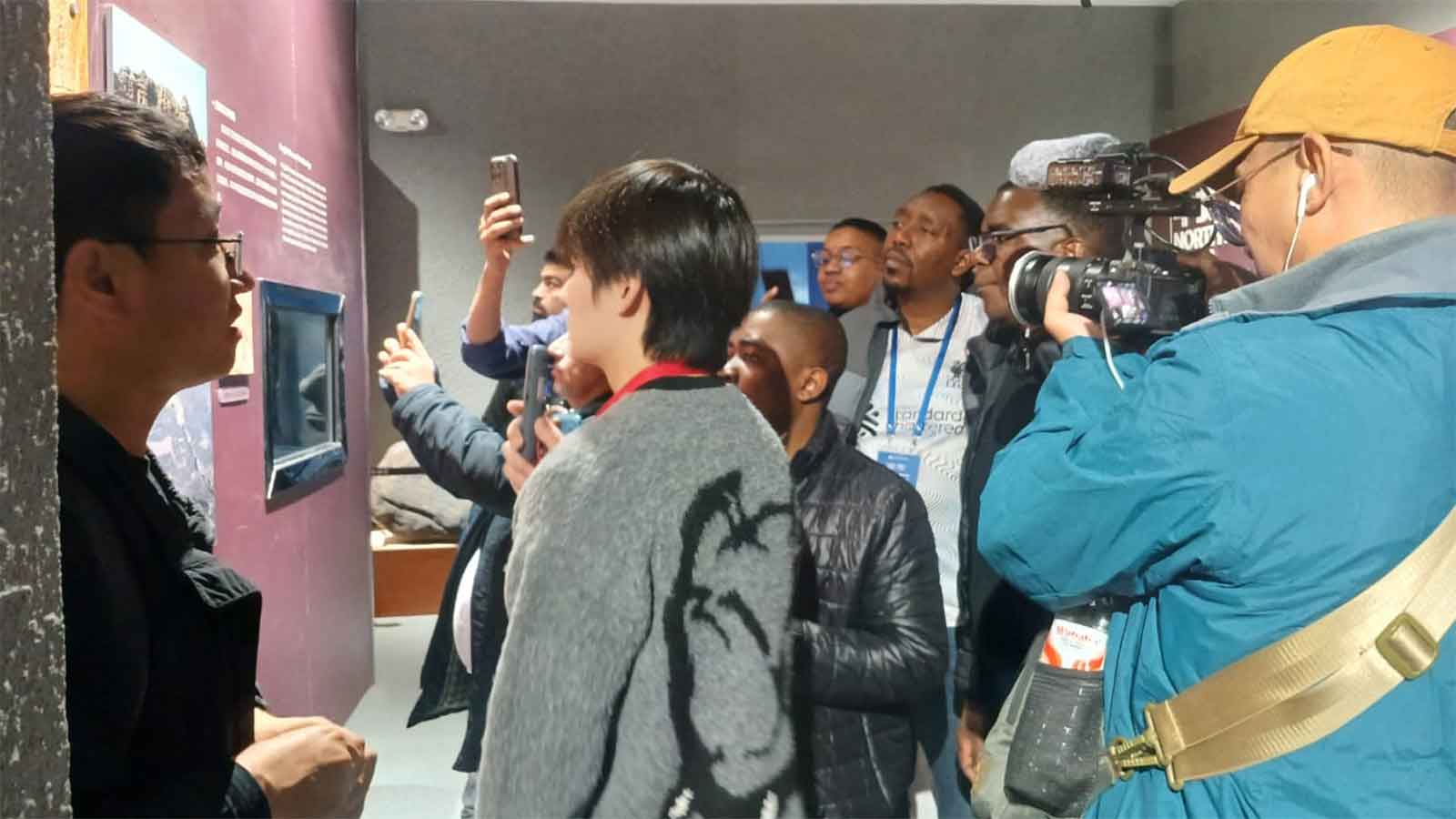
Drawing from a visit to a traditional Chinese pottery factory during the seminar, Mr Mabhena highlighted historical connections between the two countries that he said deserved greater attention in contemporary media coverage.
He pointed to archaeological discoveries of Chinese porcelain at Great Zimbabwe, arguing that these provided an important basis for exploring the historical trading connections between the two civilisations long before Zimbabwe attained independence in 1980.
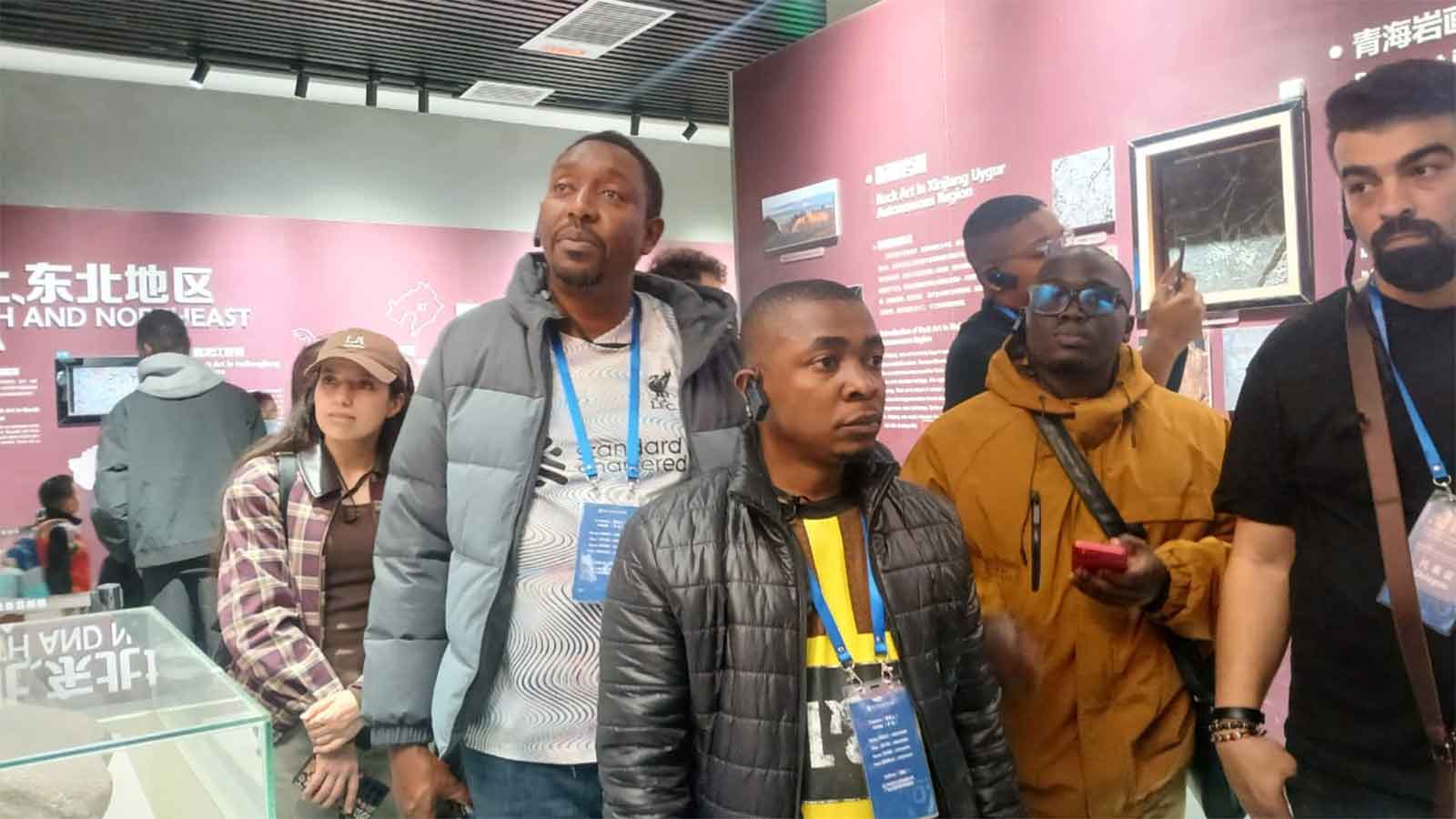
“These are stories that are not known. When you look at Zimbabwe as a civilisation, Great Zimbabwe was one of the most respected cities to have been built in Africa. Archaeologists actually found China goods there, which means a thousand years ago Zimbabweans were already trading with China,” he said.
He argued that the historical relationship between the two countries should not be viewed exclusively through the lens of the 45 years of formal diplomatic relations established after Zimbabwe’s independence in 1980.
Rather, he said, media institutions had an opportunity to bring to the fore the deeper historical, cultural and commercial connections between the two peoples.
Mr Mabhena said much of Africa’s pre-colonial history remained underrepresented in mainstream media, creating the impression that the continent’s historical significance only began with the arrival of European colonial powers.
He said collaborative media initiatives could help recover these narratives while promoting a better understanding of African and Asian civilisations.

The call for enhanced media cooperation comes at a time when Zimbabwe and China are deepening their strategic partnership across several sectors, including trade, investment, infrastructure development, technology and education.
Media collaboration presents another important dimension of this relationship, particularly as both countries seek to strengthen their voices in an increasingly interconnected global information environment.
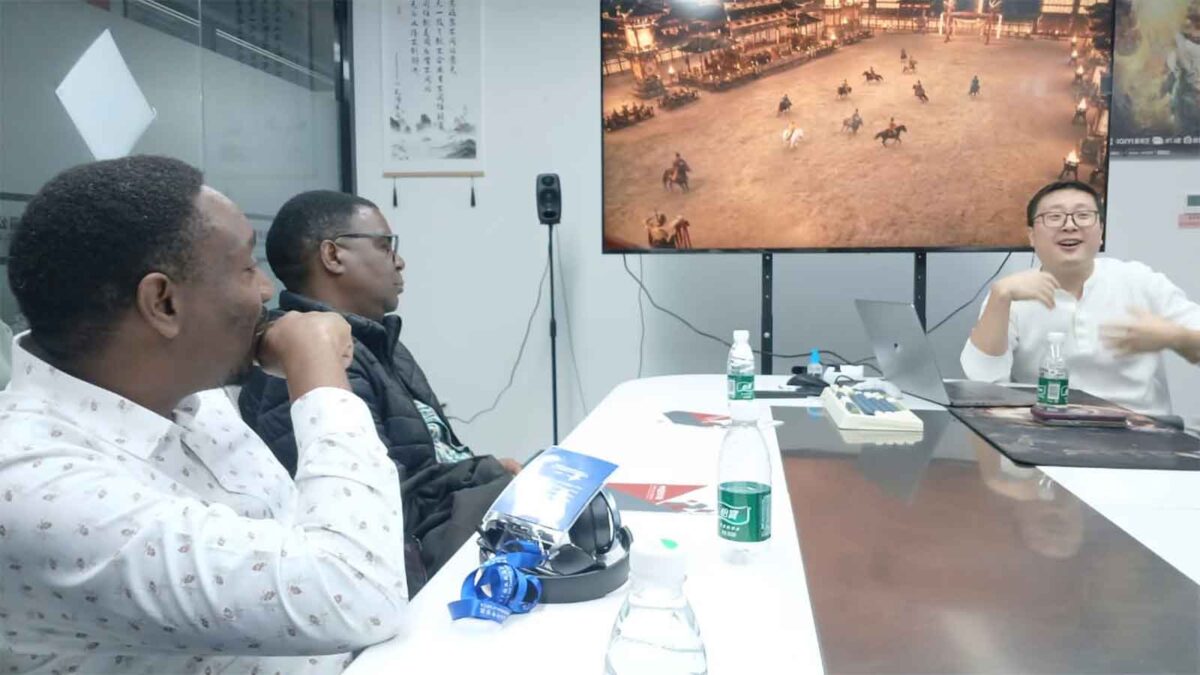
Meanwhile, the Seminar for Heads of Journalists’ Organisations and Gen Z Media Youth Leaders from Belt and Road Countries provided an important platform for media practitioners to examine the growing influence of artificial intelligence (AI) in journalism and the transformation of newsrooms in the digital age.
The programme, organised by the Research and Training Institute of China’s National Radio and Television Administration, brought together media professionals and young leaders from different countries to exchange experiences and explore emerging technologies shaping the global media industry.
Participants were exposed to China’s developments in artificial intelligence, digital broadcasting, converged media operations and the use of technology in news production and distribution.
Visits to Chinese media institutions provided practical insights into how AI-powered systems are being incorporated into newsroom operations, audience engagement and the distribution of content across multiple digital platforms.
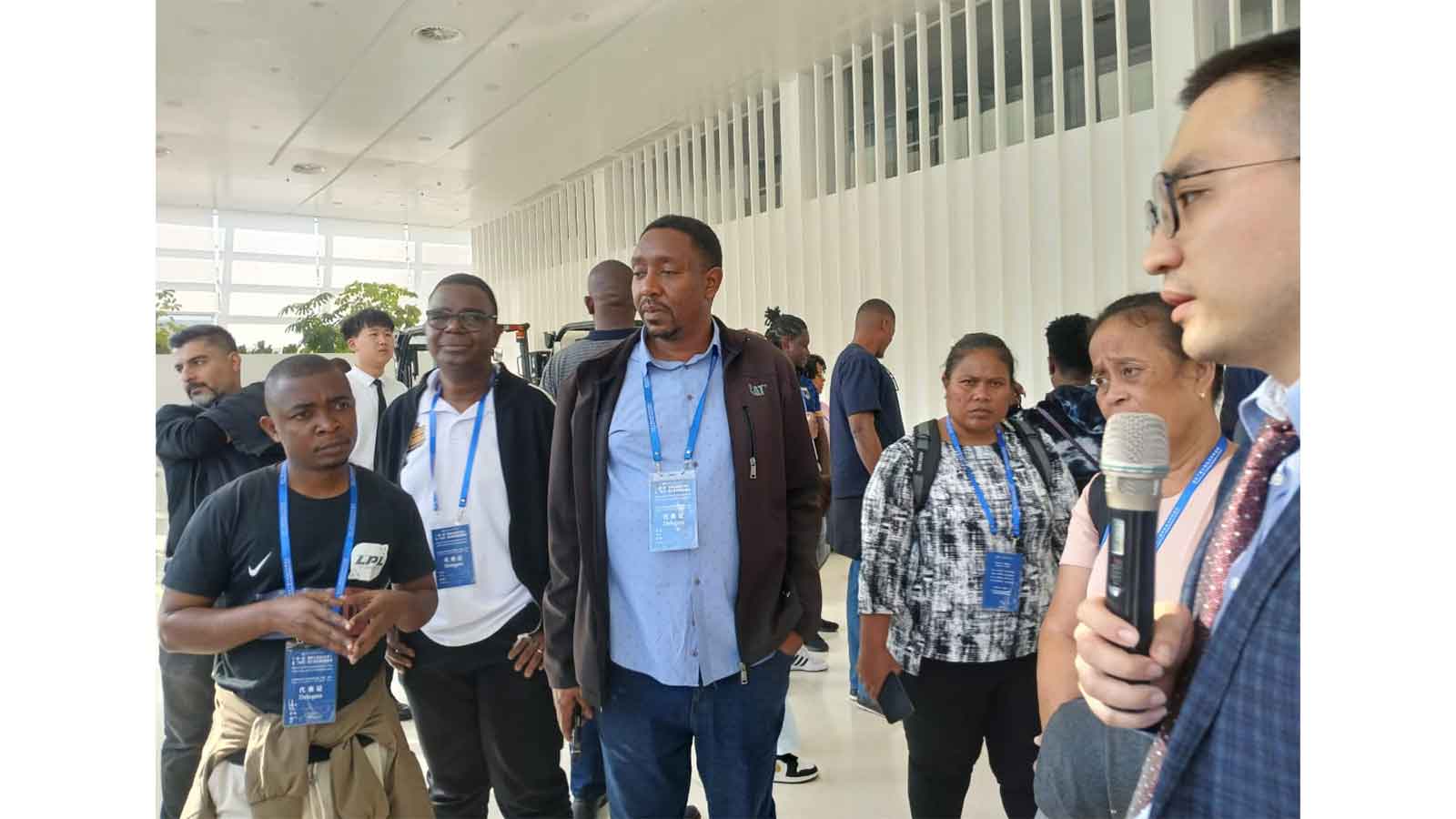
At Ningxia Radio and Television, participants learnt how the broadcaster was leveraging artificial intelligence and converged media systems to expand its reach, with its content distributed across 54 social media platforms and approximately 600 news posts published daily, reaching an estimated 10 million people.
The experience demonstrated how traditional broadcasters could transform their operations by embracing digital technologies while maintaining their role as trusted sources of information.
For Zimbabwean media organisations, including Zimpapers, the engagements offered an opportunity to explore how emerging technologies could improve newsroom efficiency, expand audience reach and strengthen competitiveness in an increasingly digital media landscape.
The discussions also brought into focus the need for responsible adoption of AI, particularly in maintaining journalistic ethics, accuracy, editorial independence and the human judgement that underpin credible journalism.
The seminar therefore provided more than an opportunity for professional exchange, creating a platform through which participating countries could share experiences, identify areas of cooperation and explore practical approaches to the future of journalism.
For Zimbabwe and China, the convergence of historical ties, cultural exchange and technological cooperation presents an opportunity to build a stronger media partnership that not only improves the capacity of media institutions but also gives greater prominence to stories that connect the two countries and the wider Global South.