

 dyton mupawaenda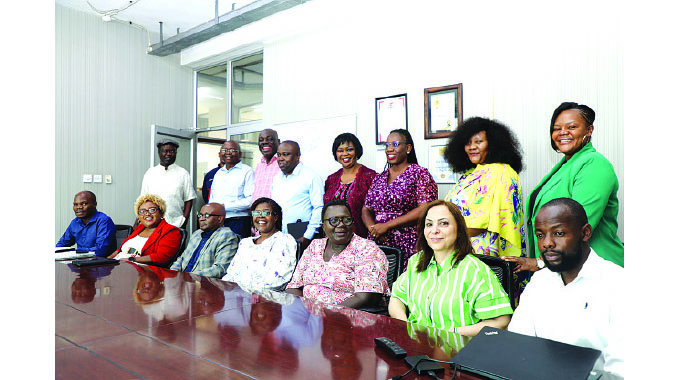
Gibson Nyikadzino-Herald Correspondent
ZIMBABWE’s largest integrated media house, the Zimpapers Group, yesterday committed to continue making deliberate efforts to close the gender gap and ensure inclusion, equality and equity in the workplace.
At a gender inclusion workshop attended by editors from the flagship’s publications in collaboration with advocacy organisation, WAN-IFRA Women in News (WIN), the group’s editorial executive, William Chikoto, said efforts were being made to re-look at the gender dynamics of the female-male demographics in the newsrooms.
Chikoto urged editors to think creatively about how they can implement inclusive and rewarding strategies that resonate with making the organisation’s policy of promoting a safe and inclusive workplace environment.
WIN accelerator manager Ms Caroline Phiri-Lubwika said by focusing on gender inclusion, media organisations like the Zimpapers Group will be embracing an opportunity to foster creativity and innovation among its employees.
She cautioned that while unconscious biases occur in newsrooms, editors and their teams need to wire themselves and embrace new approaches.
“When we talk of inclusion, we are talking beyond gender. As editors, we need to recognise and celebrate our team members to ensure they all present themselves with confidence. This fosters creativity and innovation.
“Inclusion also looks at issues beyond gender. We need to make sure that even our content is inclusive. Designing content that includes the views and opinions of persons with disabilities or the visually impaired is key. For example, how many of our newspapers are in braille format to cater to the visually impaired?” Ms Phiri-Lubwika said.
On Monday, the chief executive officer of the Zimbabwe Gender Commission Ms Virginia Muwanigwa launched the Gender Media Connect Revised Policy 2024 which envisions promoting inclusion, equity, and equality in the media industry.
Speaking about the Gender Media Connect revised policy on the sidelines of the workshop, WIN Africa regional director Ms Jane Godia said the revised gender policy launch must be a living document, if implemented.
She said the policy document was progressive and could also be adopted by media organisations in implementing key issues trending globally.
“It has to be a living document, it has to be put into action. The policy document looks at the content being produced if it is balanced. Are we having women in our stories and at the same time stereotyping them?
“This document can be used by other organisations to promote gender equality, and gender equity and also to be gender responsive and gender transformative in their stories. It is a transformative document that will help change attitudes,” said Ms Godia.



 Online Reporter