Online Reporter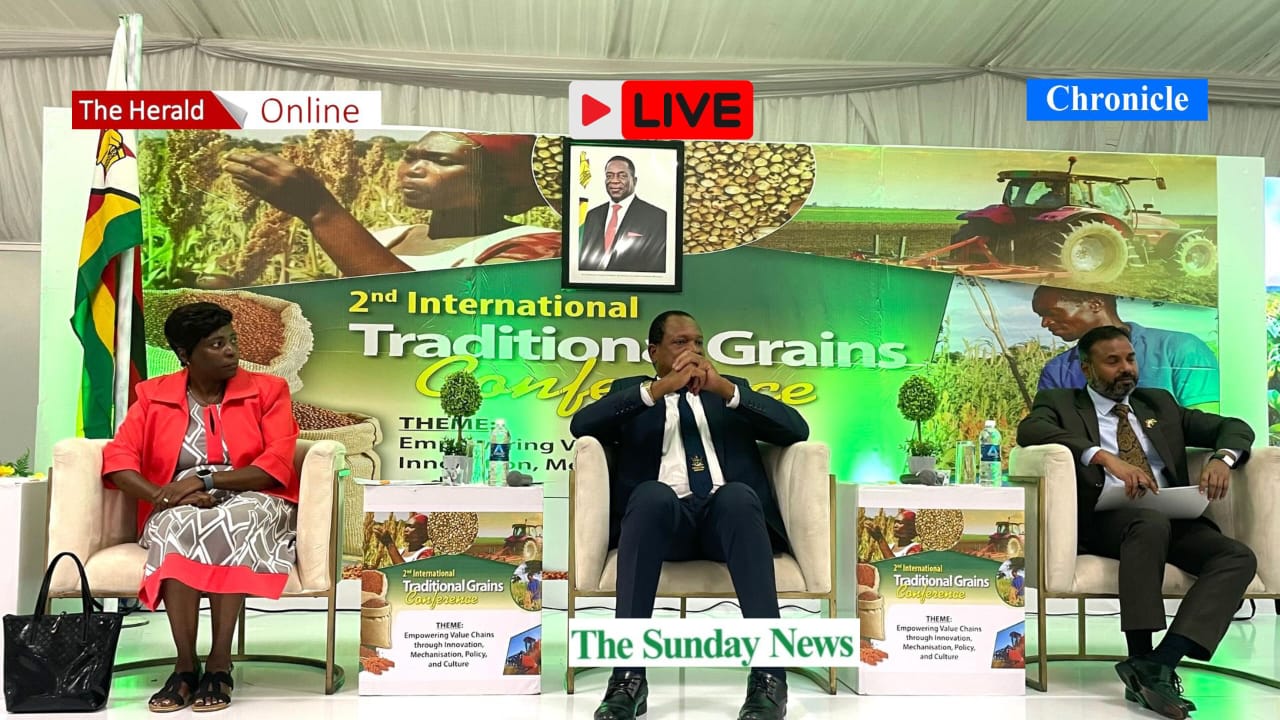
ZIMBABWE’S largest integrated media house, Zimbabwe Newspapers (Zimpapers), in partnership with the Ministry of Lands, Agriculture, Water, Fisheries and Rural Development and International Crops Research Institute for the Semi-Arid Tropics (ICRISAT) is hosting the second International Traditional Grains Conference in Bulawayo.
Building on the success of the inaugural Traditional Grains Conference last year, the second edition comes at a critical moment for Zimbabwe’s agriculture sector. The Minister of Lands, Agriculture, Water, Fisheries and Rural Development Dr Anxious Masuka is set to grace the event as Guest of Honour.
The high-level conference is being held at the Zimbabwe International Conference and Exhibition Smart City (ZICES) Hall 2 with a packed programme that will comprise a keynote address, panel discussions and technical presentations.
In attendance also will be Indian Ambassador to Zimbabwe Ambassador Bramha Kumar, Minister of State for Bulawayo Provincial Affairs and Devolution, Judith Ncube, Industry and Commerce Deputy Minister and Raji Modi among other dignitaries.
Traditional grains are vital to addressing food security, climate resilience, and nutrition. However, unlocking their full potential requires innovation across the value chain, from production to processing, marketing and consumption.
The event is running under the theme: “Empowering Value Chains Through Innovation, Mechanisation, Policy and Culture.”
Zimpapers Reporters Judith Phiri, Peter Matika and Chief Photographer are attending the conference and will give us live updates
Minister Masuka, Indian Ambassador tour exhibition stands at Traditional Grains Conference
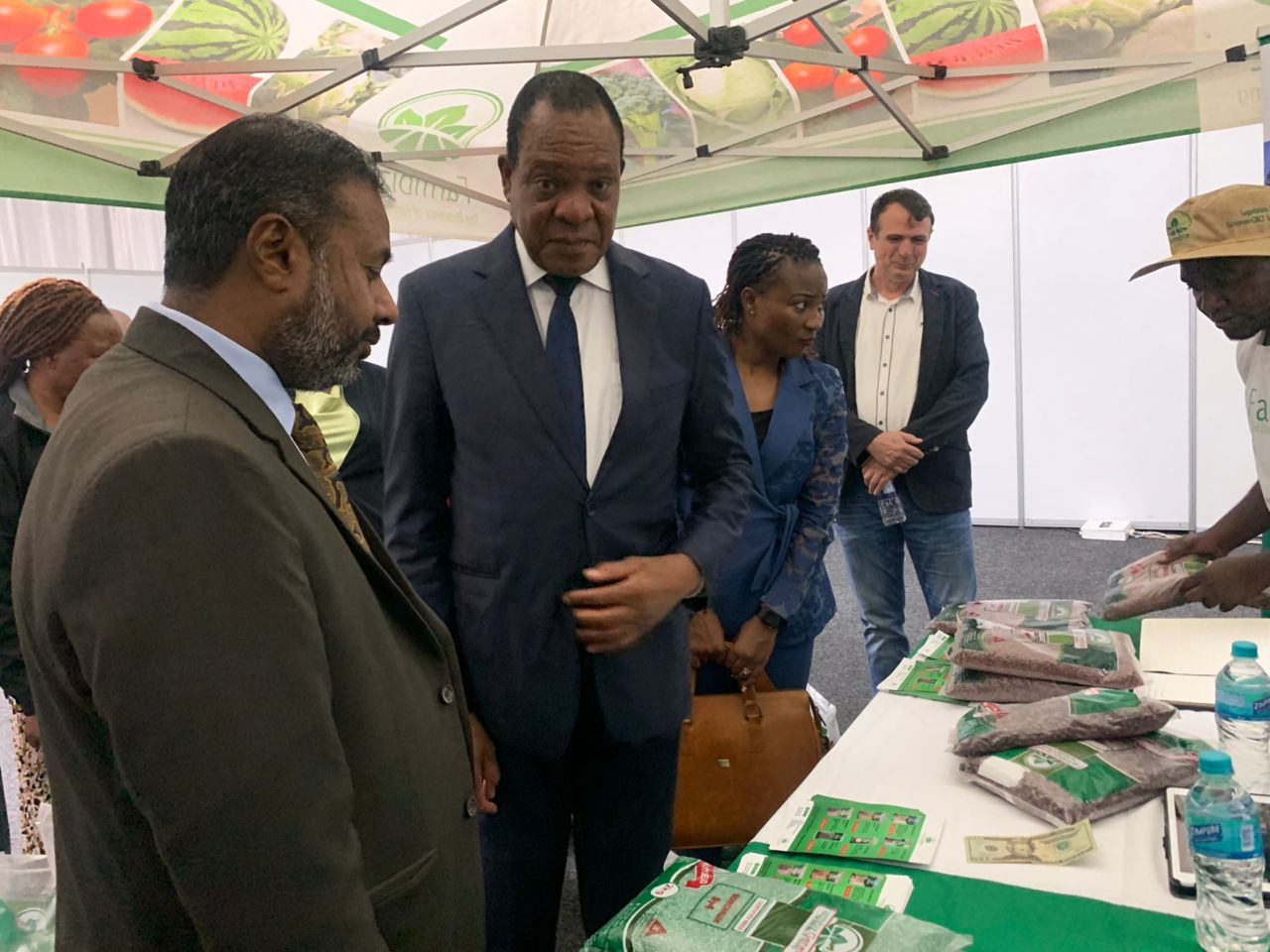
The Minister of Lands, Agriculture, Water, Fisheries and Rural Development, Dr Anxious Masuka, together with the Indian Ambassador to Zimbabwe, Ambassador Bramha Kumar, have toured exhibition stands at the second edition of the Traditional Grains Conference underway at the Zimbabwe International Conference Centre (ZICC) in Bulawayo.
The two dignitaries interacted with exhibitors showcasing innovations in traditional grain production, value addition, mechanisation and climate-smart technologies.
Their tour highlighted the growing collaboration between Zimbabwe and India in strengthening agricultural value chains, promoting food security and advancing knowledge exchange in the traditional grains sector.
Exhibitors expressed optimism that the high-level engagement will help unlock investment opportunities while accelerating the adoption of modern technologies that support the country’s drive toward resilient, nutrition-focused agriculture.
Sunday News Editor highlights importance of Traditional Grains Conference
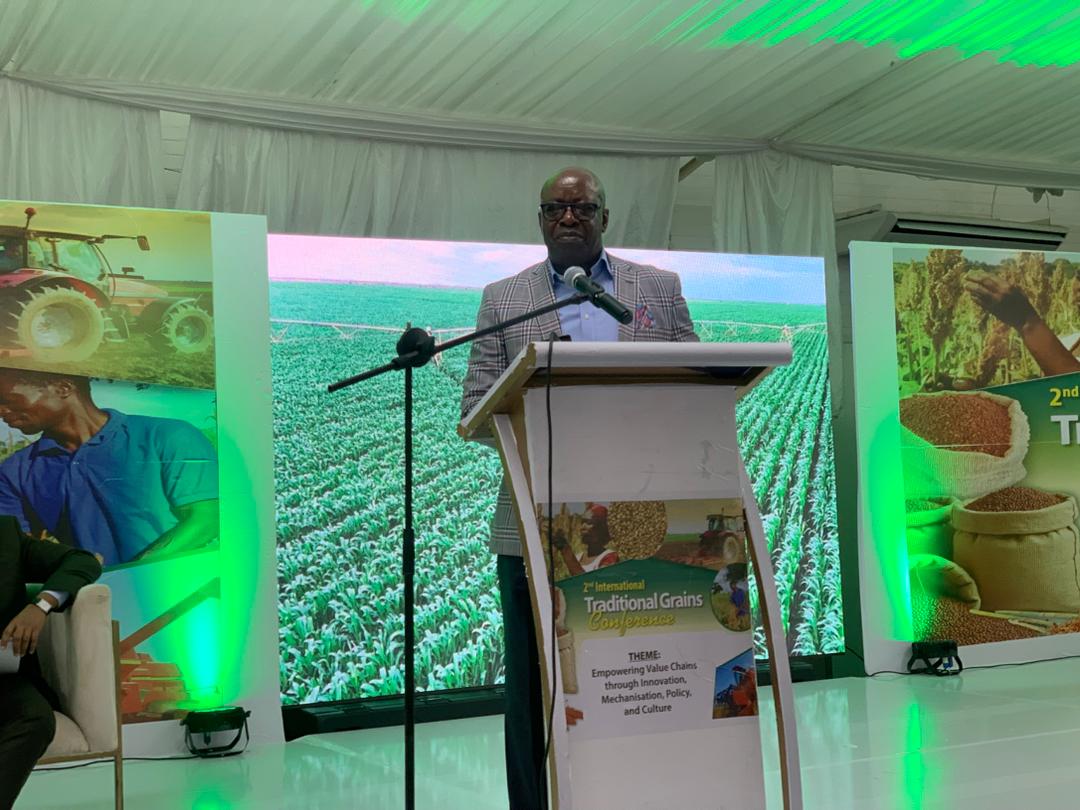
Sunday News Editor, Hatred Zenenga, delivered welcome remarks during the opening session of the conference.
Zenenga emphasized the significance of the event, noting its ability to attract participants from across the globe, underscoring the growing international interest in traditional grains.
He described the conference as an important platform for stakeholders to come together, discuss challenges, and co-create innovative ideas aimed at upscaling traditional grains in food systems, highlighting their nutritional benefits and potential for improving public health.
“This gathering not only celebrates our rich agricultural heritage but also sets the stage for collaborative efforts to promote traditional grains as a sustainable and healthy food choice,” said Zenenga.
The conference continues to bring together experts, farmers, policymakers, and industry leaders committed to advancing the role of traditional grains in nutrition and food security.
Traditional grains key to Zimbabwe’s food security
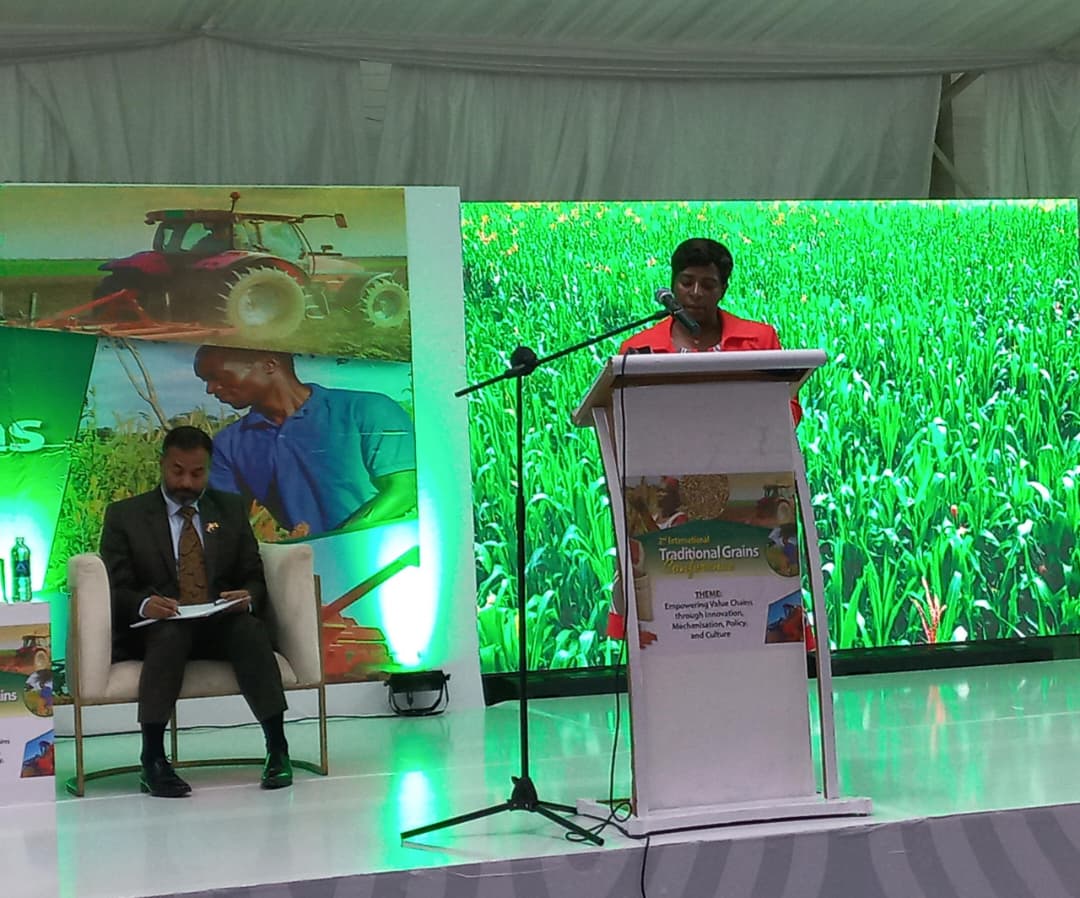
Bulawayo Minister of State for Provincial Affairs and Devolution, Judith Ncube emphasized the critical importance of shaping the future of Zimbabwe’s food systems.
In a speech read on her behalf by the deputy director in here office, Mrs Gladys Zizhou the Minister highlighted the significant improvements in the country’s food security, commending the efforts of the Ministry of Lands, Agriculture, Fisheries, Water and Rural Development for their role in this progress.
She underlined traditional grains as a vital driver of both national food security and rural industrialization, especially in the face of the adverse effects of climate change.
Calling on delegates at the international conference, Mrs. Zizhou urged participants to use the platform to develop actionable strategies that promote resilient food systems, inclusive business growth, and cultural revival.
India–Zimbabwe collaboration at Traditional Grains Conference
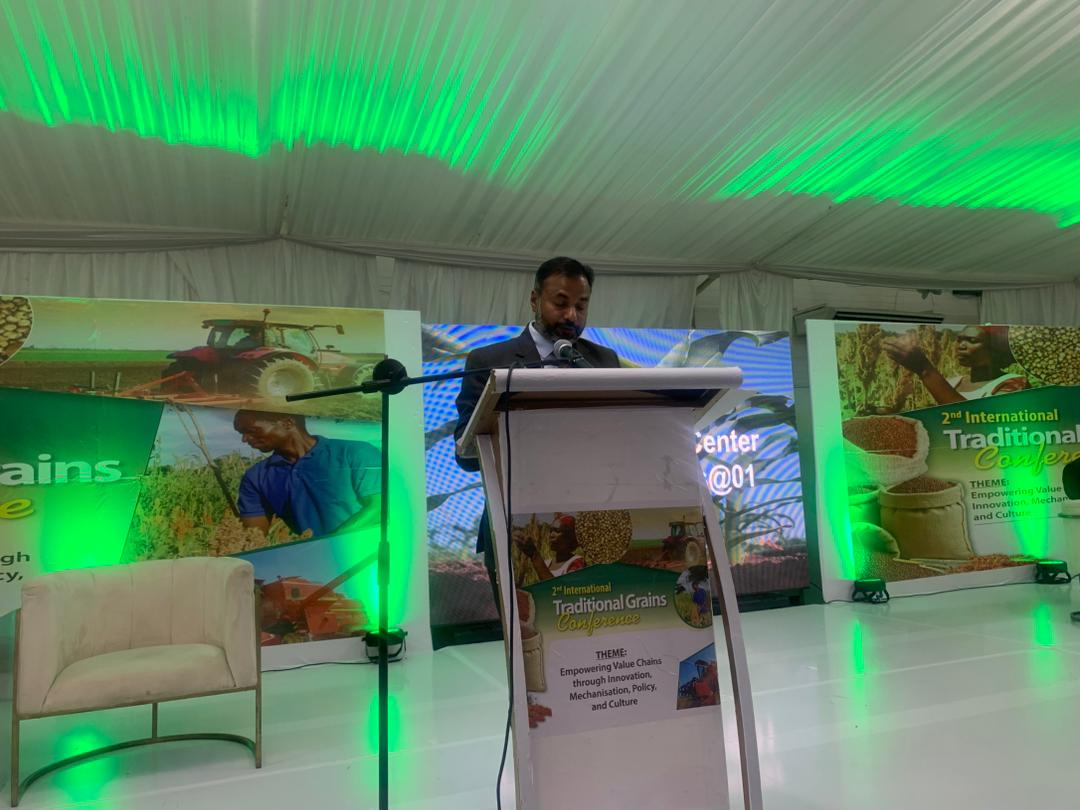
Indian Ambassador to Zimbabwe, Ambassador Bramha Kumar, has reaffirmed India’s commitment to strengthening agricultural cooperation with Zimbabwe, particularly in the cultivation and promotion of traditional grains.
Speaking at the second edition of the Traditional Grains Conference at the Zimbabwe International Conference Centre in Bulawayo, Ambassador Kumar said India views traditional grains such as millet, sorghum and legumes as strategic crops for food security, climate resilience and rural livelihoods.
He noted that India’s own experience shows how traditional grains can transform communities when supported by policy, innovation and markets.
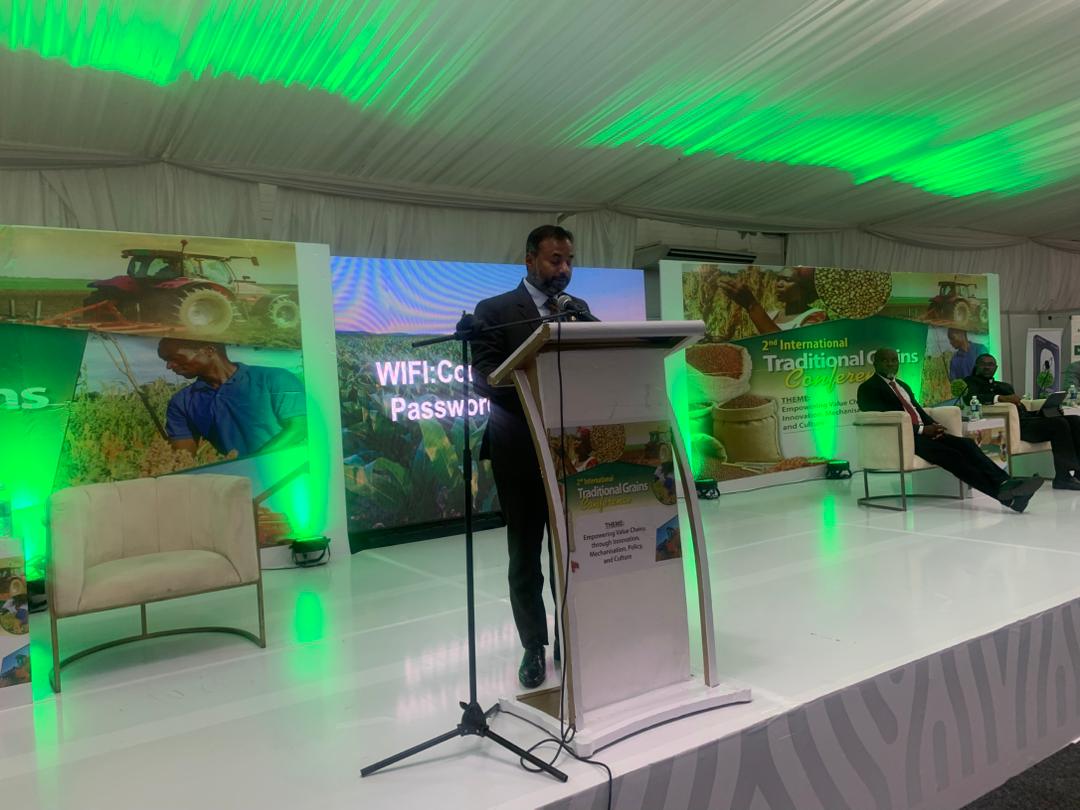
He said in recent years, India has invested heavily in millet research, mechanised small-grain production and expanded value-addition industries, resulting in improved nutrition outcomes, increased farmer incomes and a thriving export market.
Ambassador Kumar said similar opportunities exist in Zimbabwe, where traditional grains are already central to climate-adapted agriculture.
He expressed India’s readiness to collaborate through technology transfer, expert exchanges, joint research and private-sector partnerships designed to strengthen seed systems, processing capacity and market access.
He noted that enhanced cooperation in traditional grains aligns with the broader India–Zimbabwe engagement in agriculture, rural development and food systems resilience.
Minister Masuka highlights importance of traditional grains
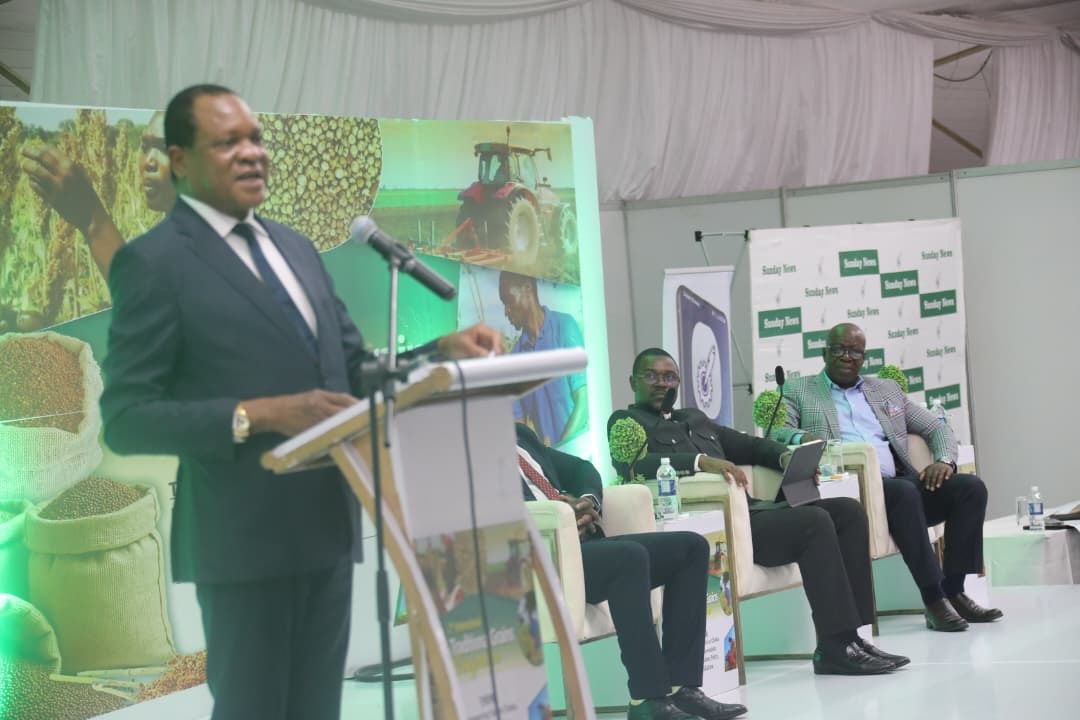
In a keynote address at the second International Traditional Grains Conference in Bulawayo, Lands, Agriculture, Fisheries, Water and Rural Development Minister Dr Anxious Masuka emphasised the significance of traditional grains in Zimbabwe.
He noted that, in line with President Mnangagwa’s Vision 2030 to achieve an upper middle-income economy, agriculture plays a critical role. The Government is targeting a US$15.8 billion agriculture industry by 2030, buoyed by the great strides the sector has made over the past six years under the transformative policies of the Second Republic.
Dr Masuka highlighted that the recently launched Food Systems and Rural Transformation Strategy II (2026–2030) marks a defining moment in Zimbabwe’s agricultural modernization and economic transformation agenda.
Calling for climate-proofing Zimbabwe’s agriculture sector, he stressed the importance of moving toward food sovereignty for major value chains. Nutrition, he said, is critical, and traditional grains play a key role in Zimbabwe’s agro-based economy.
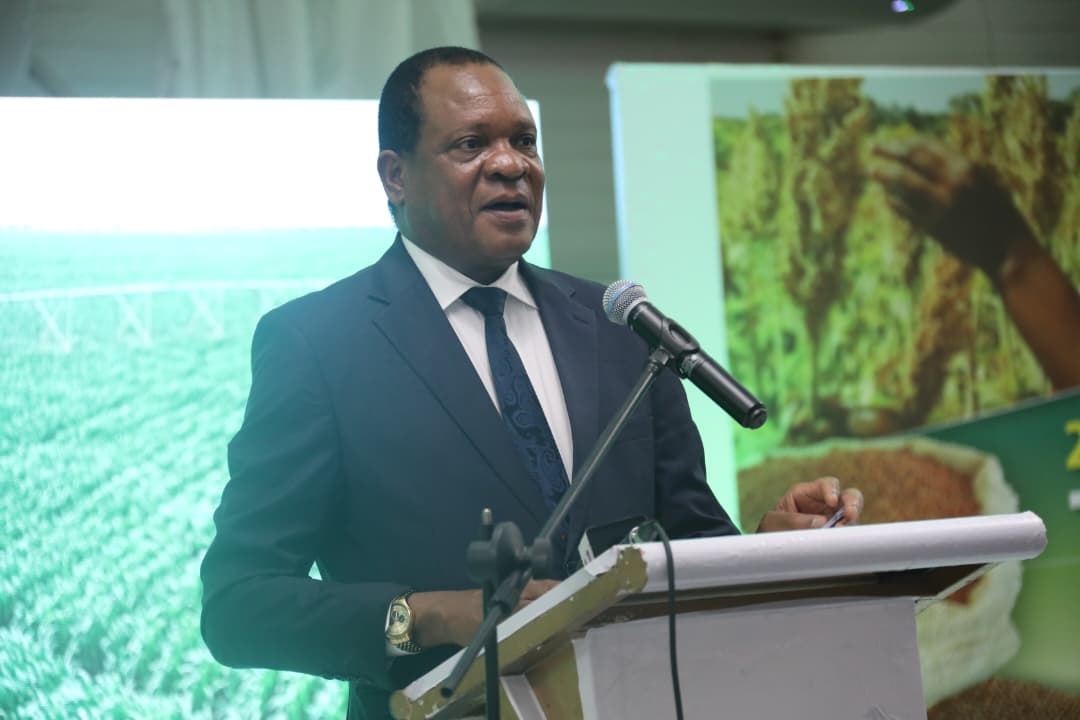
“If you get agriculture right you get everything right as well. The strategies under the Agriculture, Food Systems and Rural Transformation Strategy focus on improving food security and sovereignty, increasing economic growth through agricultural value chains, and building climate resilience.”
The Minister underscored the need to promote conservation agriculture, expand irrigation, invest in rural industrialization, adopt new farming technologies, and develop supportive policies—all within a whole-of-sector, participatory approach.
On silo construction, he advocated for the development of more Artificial Intelligence-powered silos across the country to ensure robust grain storage solutions and secure food supplies.
Dr Masuka said it was critical to grow crops according to the five main agro-ecological zones, ranging from intensive farming in higher-rainfall areas to extensive cattle ranching in drier regions.
He emphasized that food security at household level is essential to ensure all members have consistent physical, social, and economic access to enough safe, nutritious food.
“Agriculture should become a business at every scale, from household level to commercial level. Every farmer, every household should view agriculture as a business for the development and transformation of rural communities.”
The Minister called for the promotion of traditional crops, rejecting the term “small grains” as belittling. He referred to crops such as sorghum, pearl millet, and finger millet as traditional grains.
“These are well-suited to local conditions and are important for food and nutritional security. These grains are highly drought-tolerant and can be processed into staple foods like sadza, porridge, and unleavened bread, as well as traditional beer.”
He also called for improved mechanization for harvesting traditional grains to ensure their safety for consumption.
Dr Masuka commended the First Lady, Dr Auxillia Mnangagwa, for promoting traditional grains through initiatives encouraging their cultivation and use to enhance food security, health, and combat climate change.
“Her efforts include distributing traditional grain seeds to communities, advocating for their revival over maize, and highlighting their importance for nutrition and culture.”
The Minister officially opened the conference, noting that he would return next year to review progress made from the outcomes of this event.
Traditional Grains Conference: Experts spotlight seed breeding
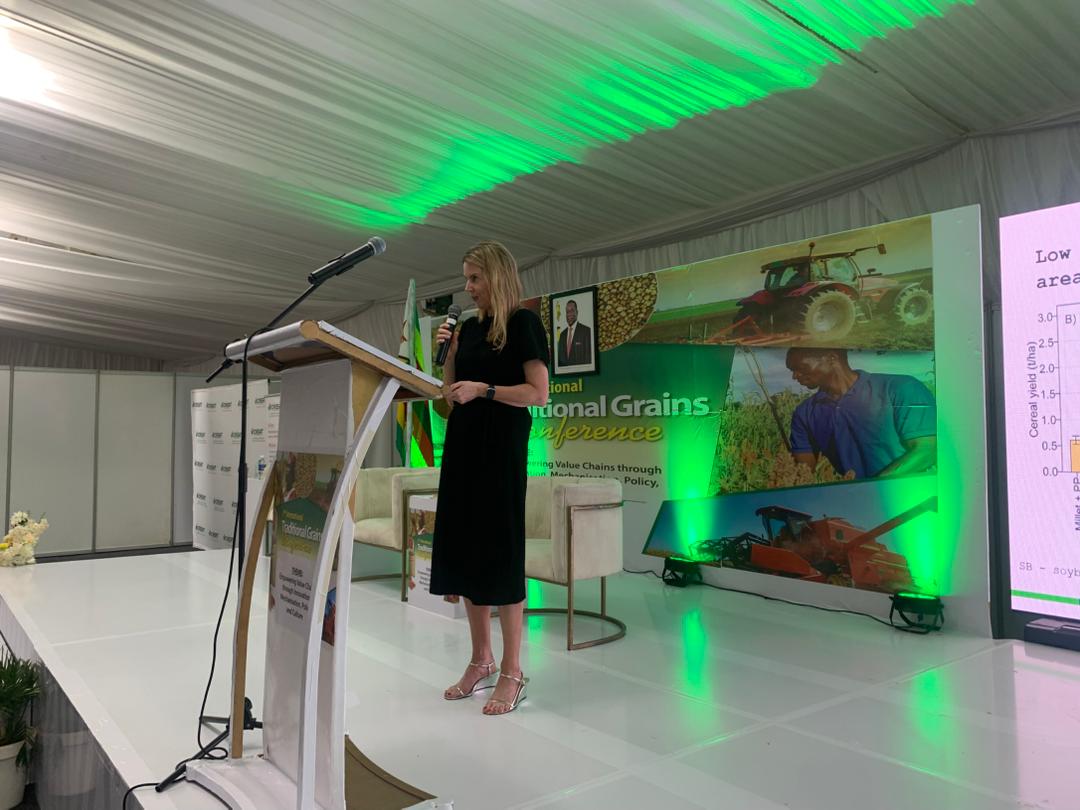
Grain experts are delivering presentations on the breeding of traditional grain seed varieties at the ongoing second edition of the Traditional Grains Conference in Bulawayo.
The specialists highlighted how advances in seed breeding are helping strengthen food security, climate resilience and farmer profitability, particularly in dry-land farming communities.
Presenters outlined improved varieties of small grains such as sorghum, pearl millet, finger millet and traditional legumes, noting that modern breeding techniques have enhanced drought tolerance, reduced maturity periods and boosted yield potential.
Experts also emphasised that traditional grains require significantly less water than conventional crops, making them ideal for semi-arid regions such as Matabeleland.
Farmers attending the conference have been informed on how adopting improved traditional grain seeds can widen planting windows, reduce vulnerability to climate shocks and increase income through growing demand in both domestic and export markets.
Speakers further encouraged collaboration among scientists, seed producers and extension officers to accelerate the distribution of quality seed to rural communities.
The conference, running under the theme “Empowering Value Chains Through Innovation, Mechanisation, Policy and Culture,” continues to bring together researchers, policymakers, farmers and development partners to promote traditional grains as a cornerstone of climate-smart agriculture.
Panel engages farmers at Traditional Grains Conference
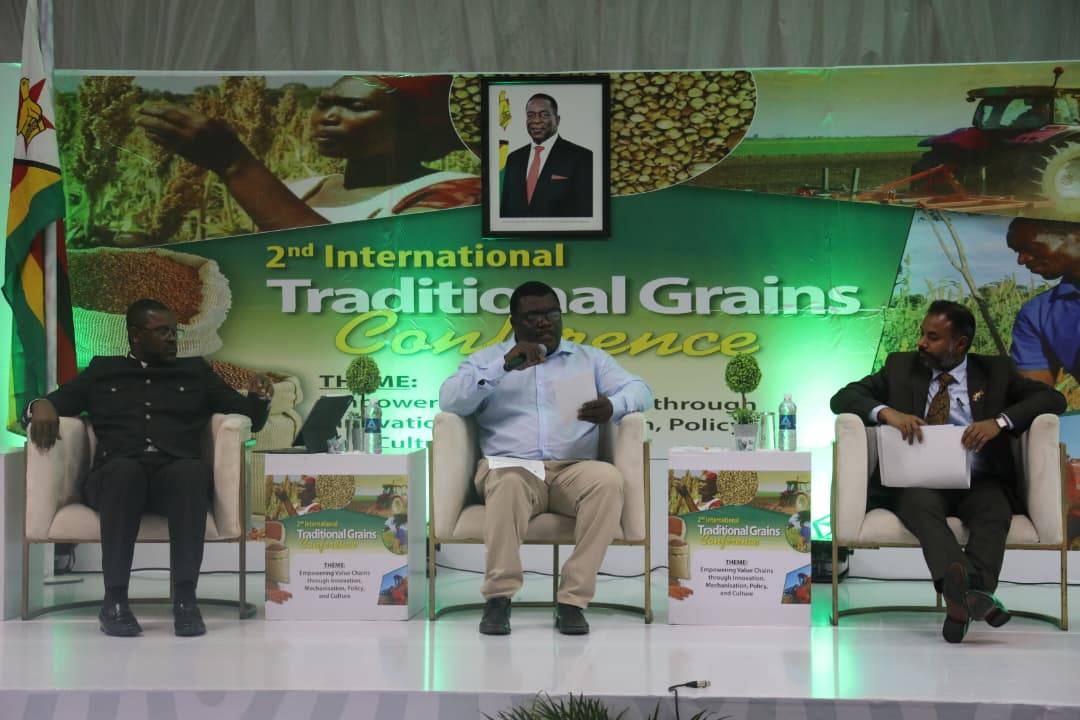
A high-level panel comprising representatives from the Grain Marketing Board (GMB), millers, the Agricultural and Rural Development Authority (ARDA) and the Indian Ambassador to Zimbabwe, Ambassador Bramha Kumar, is engaged delegates during an interactive session at the second edition of the Traditional Grains Conference in Bulawayo.
Attendees are posing questions ranging from market access and pricing structures to value-addition opportunities and mechanisation support for small-scale farmers.
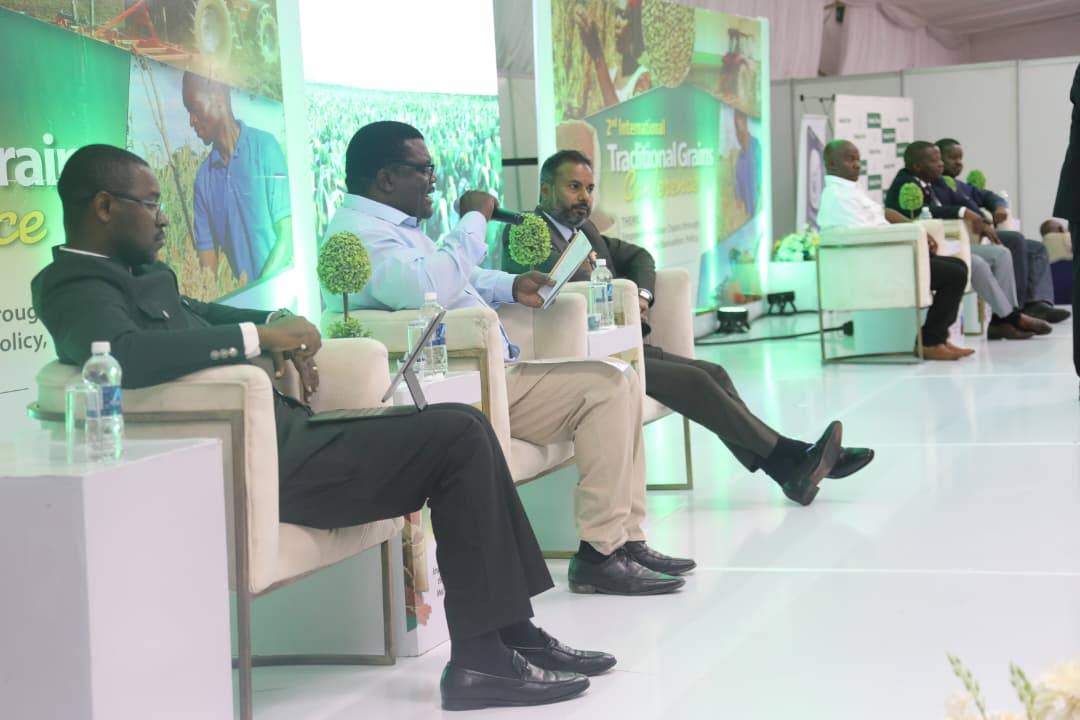
The panelists are highlighting ongoing efforts to strengthen traditional grain value chains, improve supply consistency, and expand processing capacity.
The session has drawn robust participation, reflecting growing interest in policies and innovations that can unlock the full potential of traditional grains for farmers, processors, and the wider agricultural sector.
Experts urge farmers to embrace SMART mechanisation for traditional grains

In a panel discussion at the 2nd International Traditional Grains Conference in Bulawayo, comprising the Department of Agricultural Engineering, Mechanisation and Farm Infrastructure Development, and the International Maize and Wheat Improvement Center (CIMMYT), has called on farmers to mechanise their operations.
Experts emphasized that focusing on mechanisation has minimal negative social, economic, and environmental consequences such as consolidation, labour displacement, soil degradation, or increased costs to farmers.
They stressed that small farmers do not require small machines but SMART solutions—value chain (seed to seed), multi-crop, multi-utility mechanisation service provision involving youth and women through business opportunities.
Experts highlighted that effective ways to scale mechanisation include public-private and private-private partnerships, commercialisation, and creating business opportunities for service provision.
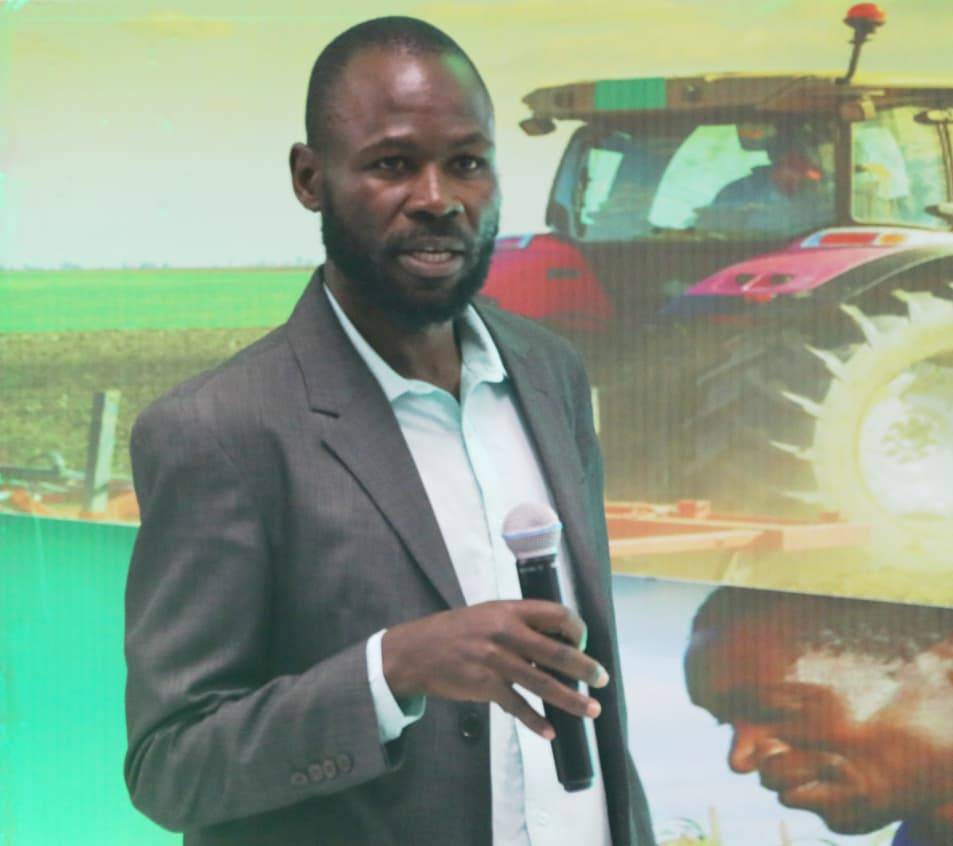
Mechanisation is said to improve post-harvest efficiency by reducing losses along the chain, while appropriate harvesting techniques are important for smallholder farmers, such as using small tractor-powered harvesters.
It is also critical to adopt improved drying techniques, including the use of improved cribs and motorised transport systems for small-scale farmers, such as two-wheelers.
Experts noted that mechanisation for traditional grains is especially critical, as locally made multi-crop threshers are transforming traditional grain processing into sand-free sorghum and millet output.
The threshers are easy to operate, fuel-efficient, and women-friendly, while opening new business opportunities for rural service providers.
These innovations allow farmers to access climate-resilient, value-adding technology that supports food security.
Promoting culture and affordability key to embracing traditional grains, say experts
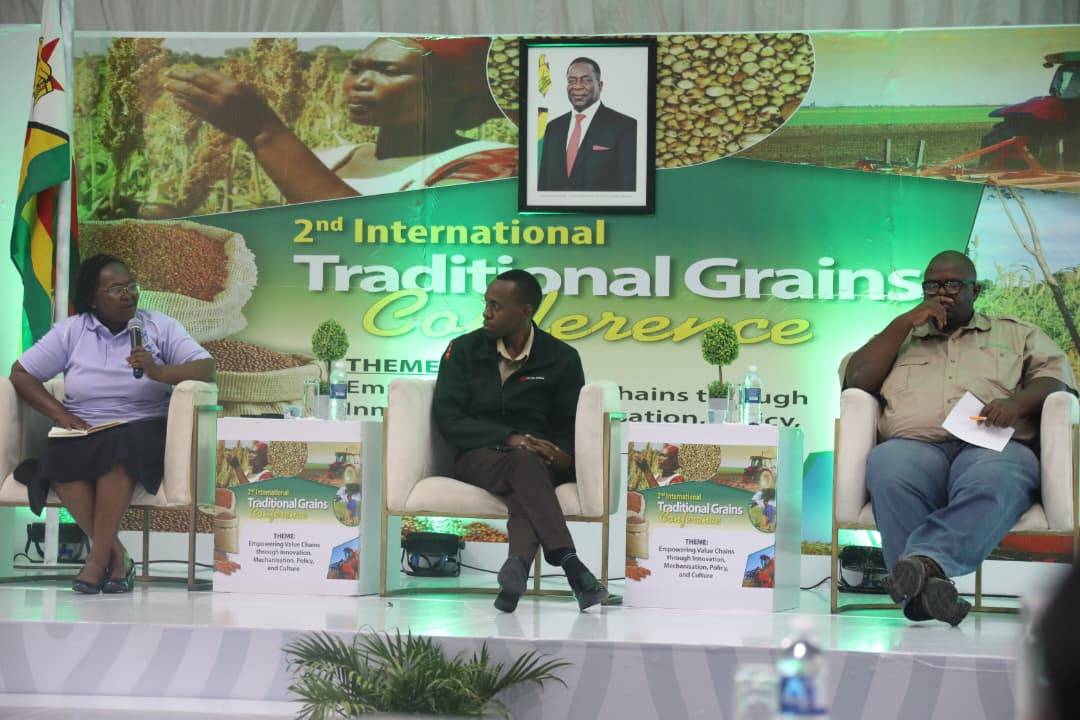
The last panel at the 2nd International Traditional Grains Conference in Bulawayo that comprise of Save the Children, ICRISAT, University of Zimbabwe (UZ) and the National University of Science and Technology (NUST) has called for marketing bio-fortified grains.
This includes educating consumers about their health benefits, demonstrating their affordability and sustainability, and partnering with value chain actors to create a strong supply and distribution network.
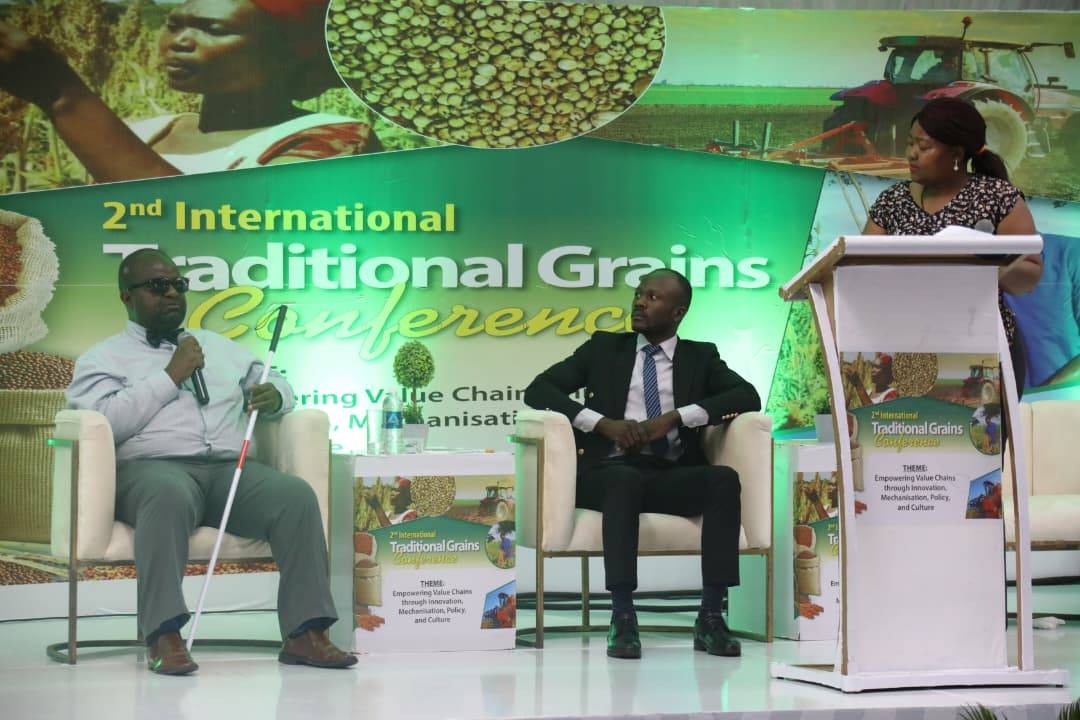
Experts said for traditional grains to be embraced there is need for people to love their culture, while also calling for traditional grains production to be affordable.
They said packaging also plays a critical role and have to be attractive to also attract the younger generation.
Experts also highlighted that universities should have partnership models with industry as well as processors, retailers and producers who are the farmers to promote traditional grains.
They said joint ventures were key for farmers to work hand in hand with contractors who are willing to buy traditional grains.
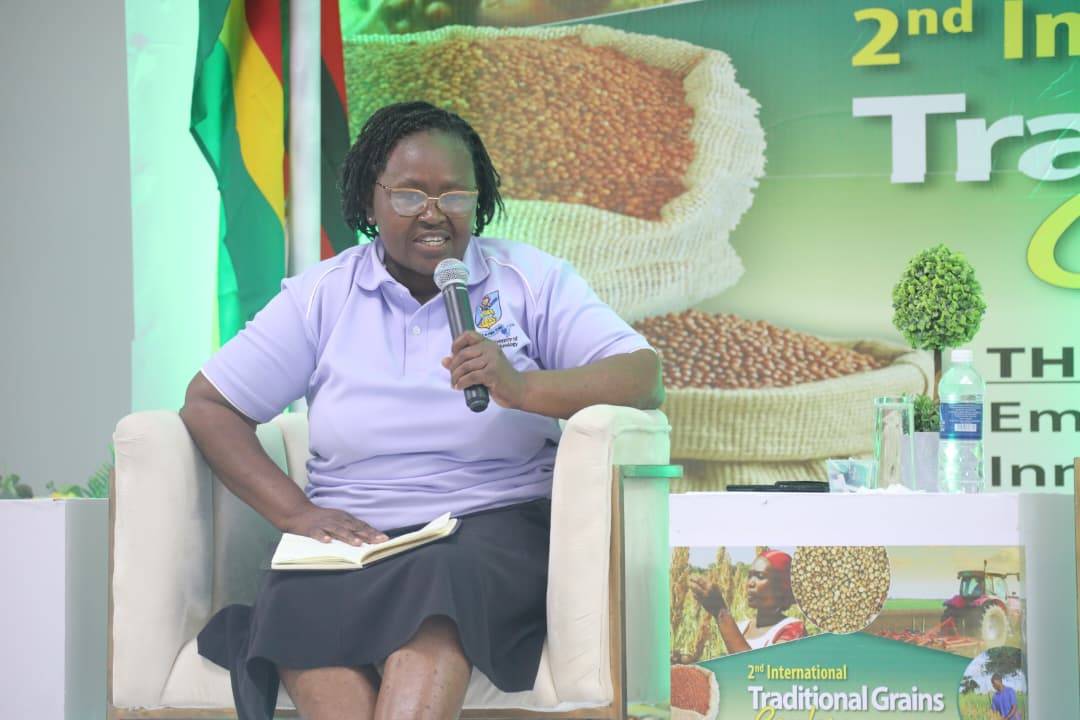
There are calls for GMB to also make payments to farmers on time.
On supply chain, experts said farmers should be taught on the quality of traditional grains as most had soil particles which affected the taste.
There were calls for industry to fund universities to do more researches on the traditional grains as well as doing market surveys.
Treat agriculture as a business, farmers urged
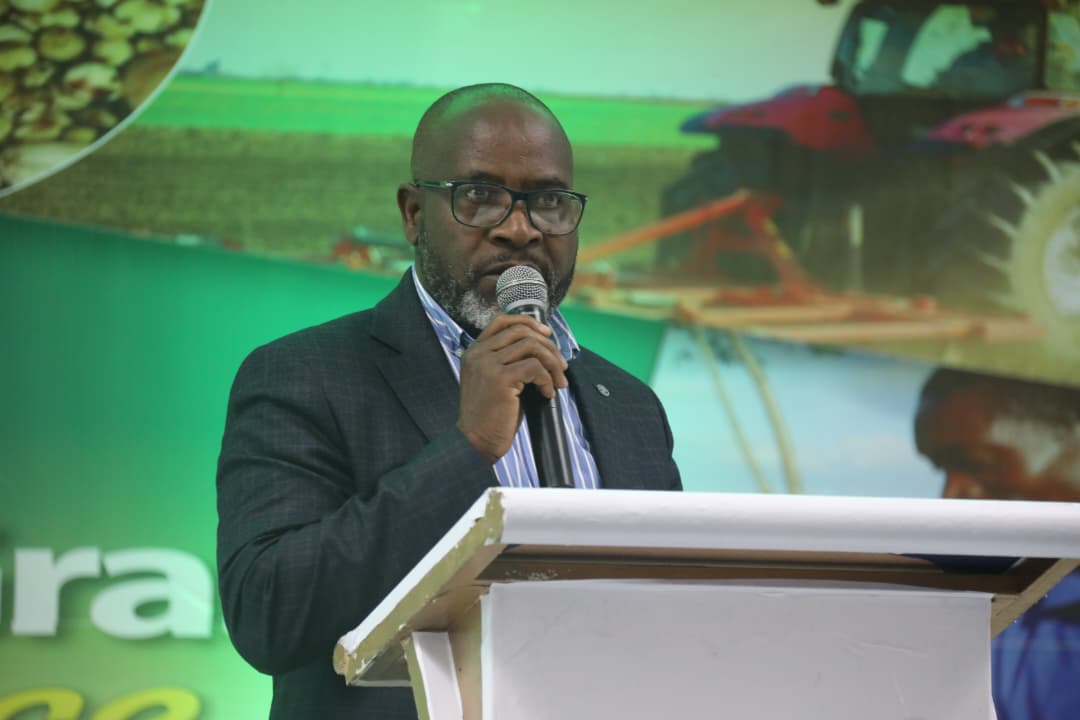
Director of Livestock Research in the Ministry of Lands, Agriculture, Fisheries, Water and Rural Development, Mr Andrew Chamisa, has called on farmers to take agriculture as a business at all levels.
He called for researchers to continue doing research on traditional grains such as sorghum and millet as a climate-smart adaptation strategy, highlighting their drought resistance, hardiness in poor soils, and nutritional value.
He said studies should examine production challenges, such as market access and knowledge transfer, and explore strategies for revival, including community seed banks and Government support, with some research modeling consumer purchase intentions for these grains.
Mr Chamisa commended Zimpapers for their partnership with the Ministry of Lands, Agriculture, Water, Fisheries and Rural Development and International Crops Research Institute for the Semi-Arid Tropics (ICRISAT) for successfully hosting the second International Traditional Grains Conference in Bulawayo.
He said traditional grains are vital to addressing food security, climate resilience, and nutrition.