

 Online Reporter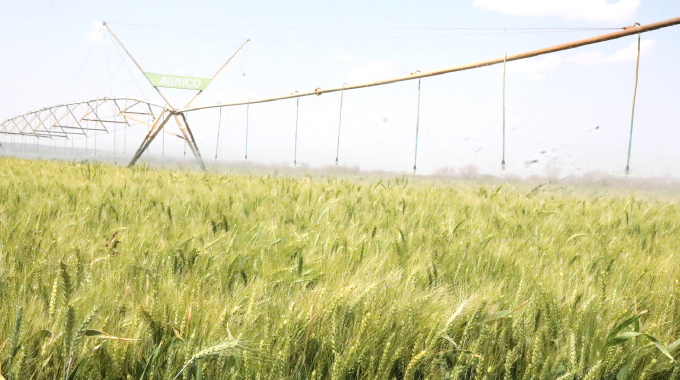
Zimpapers Business Hub
ZIMBABWE’S largest integrated media house Zimpapers, in partnership with the Ministry of Lands, Agriculture, Water, Fisheries and Rural Development, is set to host a high-level indaba in Bulawayo next Tuesday.
The conference will focus on a winter crop revolution, exploring ways to harness the country’s agricultural potential for enhanced food security and economic development.
The indaba comes at a time when Zimbabwe has achieved a historic agricultural milestone, a record-breaking wheat harvest of 563 961 tonnes, surpassing the previous year’s 467 000 tonnes.
This marks the largest wheat yield since the introduction of commercial wheat farming in 1966 and secures self-sufficiency for the third consecutive year.
Building on this success, the upcoming indaba aims to expand these gains to other key winter crops in the 2025 planting season.
Among these, potatoes have emerged as a vital crop in Zimbabwe’s agricultural portfolio, alongside barley, soya beans, and other legumes. Potatoes are particularly significant, offering an affordable and nutritious staple for households nationwide.
Chief Director in the Ministry of Lands, Agriculture, Fisheries, Water and Rural Development, Mr Leonard Munamati, said the focus of the conference is to explore how Zimbabwe can sustain its success in wheat production while expanding the production of potatoes and other winter crops.
“The high-level conference will bring together crop experts, farmers, policymakers, industry stakeholders, researchers, academics and agribusinesses to share knowledge, best practices, and strategies for enhancing winter crop production. It will also focus on overcoming challenges and creating opportunities for growth, economic development, and job creation in the sector,” Mr Munamati said.
Zimpapers Public Relations and Events Co-ordinator Mrs Hilda Marijeni said the conference seeks to explore sustainable strategies to enhance the production of wheat, potatoes and other key winter crops such as barley, soya beans and legumes.
Through expert-led discussions, the event will aim to share knowledge and best practices on winter crop production, processing and marketing, promote value addition and local processing opportunities to enhance the value chain.
Added to that, it will explore export potential and market access opportunities for winter crops, strengthen collaborations between Government, farmers, processors and industry stakeholders, and develop actionable recommendations for policies that will support the growth of the winter crops sector.
The conference will tackle sustaining wheat production, focusing on strategies for maintaining high wheat yields, disease management and climate resilience.
Exploring the potential of potatoes as a major winter crop, including strategies for increasing yields, improving seed quality, addressing post-harvest losses, and diversification of winter crops, expanding beyond wheat and potatoes to include barley, soya beans, and other legumes.
Delegates will also discuss trends, challenges and opportunities in local and international markets for winter crops, including potatoes, and the importance of enhancing market access, policy and regulatory frameworks.
“The ultimate goal is for participants to gain a deeper understanding of the challenges and opportunities facing Zimbabwe’s winter crops industry, particularly wheat and potatoes, strengthening partnerships and collaborations between farmers, processors, policymakers and industry experts to improve production, processing, and marketing across the winter crop sector,” said Mrs Marijeni.
Farmers, especially those involved in the production of wheat, potatoes, barley, soya beans and other legumes, as well as stakeholders involved in the processing of winter crops, including milling, potato processing, and oil extraction industries, are expected to attend.
Also expected are Government representatives from the Ministry of Agriculture and other relevant departments focused on food security and agriculture, along with specialists in agricultural technology, sustainable farming practices and agribusiness.
“By fostering these discussions and initiatives, the conference aims to further secure Zimbabwe’s position as a leader in agricultural self-sufficiency in the region, creating opportunities for growth and job creation, while ensuring food security for the nation,” said Mrs Marijeni.


