Online Reporter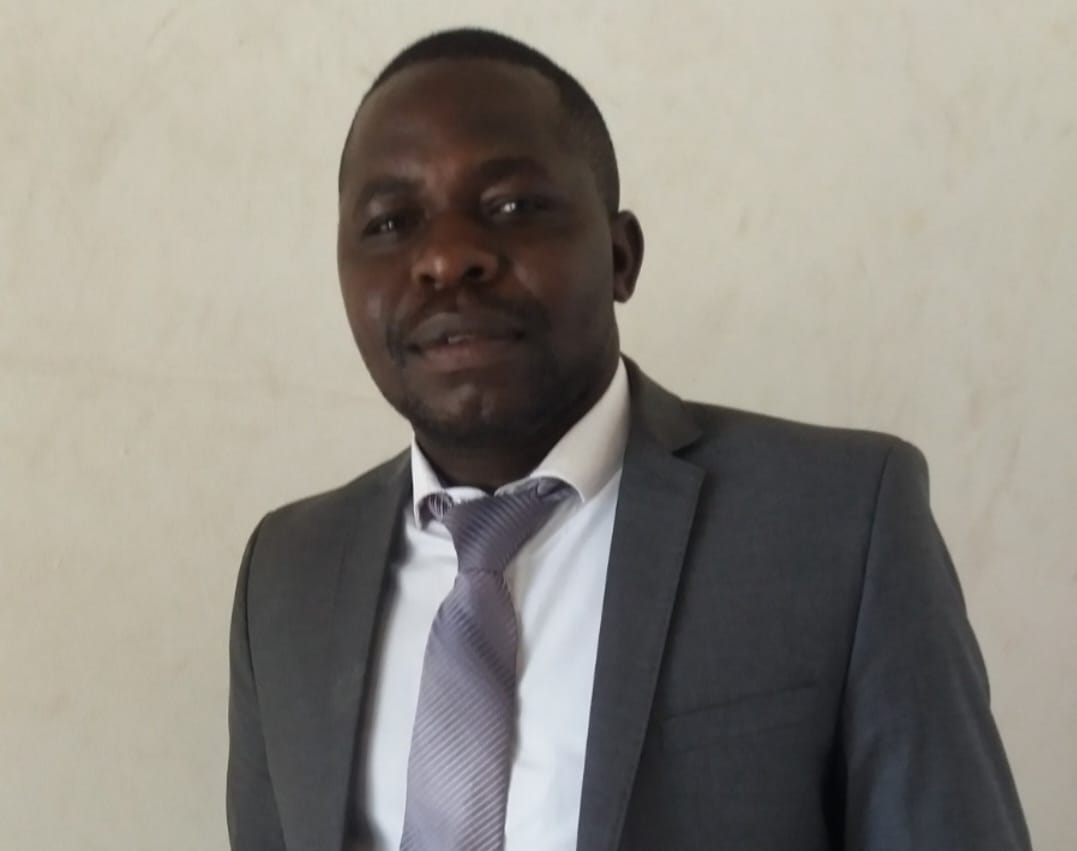
Zimpapers Writer
ZIMPAPERS writer Gibson Mhaka has been named among the top six finalists in the prestigious 2025 Isu Elihle Awards, a pan-African competition that celebrates and rewards innovative journalism focused on children.
His story idea, which beat out 178 entries from 26 African countries, centres on the challenges faced by adolescent girls with disabilities in rural areas as they manage menstrual hygiene.
Mhaka’s story seeks to expose a critical and often overlooked issue. While menstrual hygiene management has received increasing global attention, many rural communities in Zimbabwe are still affected by taboos and socio-cultural constraints.
The lack of knowledge and accurate information disproportionately affects adolescent girls with disabilities, leading to health issues and school absenteeism.
“My story seeks to expose the critical yet often overlooked issue that while the Government has recognised the significance of menstrual hygiene and developed and implemented several programmes and schemes for menstrual hygiene management, a lack of knowledge, inaccurate information, cultural practices, and socio-economic status expose adolescent girls with disabilities to numerous obstacles and cause them to suffer from health issues,” Mhaka said.
The journalist explained that the stigma surrounding these girls’ disabilities often leads to their exclusion from school during their menstrual periods.
The Isu Elihle Awards, which means “great idea” in isiZulu, encourages fresh and insightful reporting that gives a voice to the African child.
Mhaka, who has won more than 25 local and regional media awards, expressed his gratitude for the recognition.
“Being named one of the top finalists in the Isu Elihle Awards is an incredible honour, and I’m absolutely thrilled with this recognition,” he said.
“I am deeply grateful for the opportunity to have my work acknowledged among such talented peers in the industry.”
As part of the awards process, the six finalists—Mhaka from Zimbabwe, Jasmine Odera and Joyce Kimani from Kenya, Winifred Lartey from Ghana, Mariya Shuaibu from Nigeria, and Mokgadi Mogy Mashako from South Africa—will receive mentorship from media and child rights experts.
They will also be provided with financial support, which is intended to help them develop their story ideas into outstanding published works.
The finalists were selected after a two-step adjudication process.
The initial round of judging, which shortlisted 31 entries, was conducted by members of the Media Monitoring Africa (MMA) team.
The final selection of the top six was made by external, independent adjudicators, including experts from UNICEF and the Nation Media Group.