dyton mupawaenda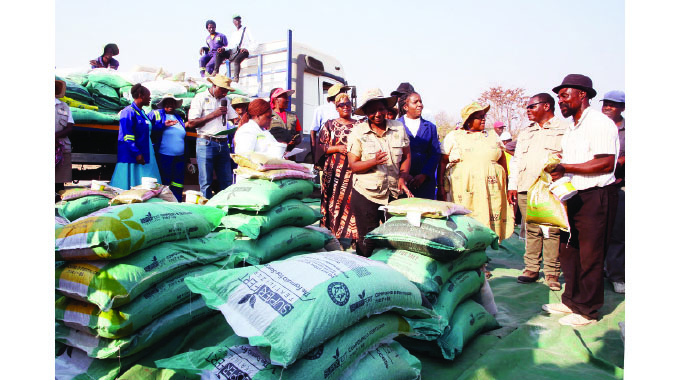
Marilyn Mutize-Correspondent
In recent years, Zimbabwe’s agricultural sector has undergone a profound transformation under the visionary leadership of President Mnangagwa.
The nation has strategically embraced policies reminiscent of South Korea’s successful villagisation programme, implementing initiatives such as irrigation schemes, dam construction, Command Agriculture (now facilitated through CBZ Bank), and the Pfumvudza Programme.
The Pfumvudza Programme and Command Agriculture bear striking resemblances to the villagisation programme, each playing a unique role in the sector’s resurgence. Pfumvudza focuses on enhancing the productivity and profitability of smallholder farmers by providing essential inputs like seeds, fertilisers and comprehensive training.
Concurrently, Command Agriculture, a government-led initiative, extends financial support and resources to commercial farmers, with the overarching goal of boosting overall food production.
Zimbabwe’s agricultural renaissance boasts a remarkable success story in the form of the flourishing tobacco industry. The country has not only revitalised its historical standing as a key player in global tobacco production, but has also become one of the world’s leading exporters.
This achievement underscores the sector’s remarkable resilience and adaptability in the face of evolving global dynamics and economic challenges. The success of the tobacco industry reflects a strategic and forward-thinking approach by both farmers and policymakers, positioning Zimbabwe as a significant contributor to the international tobacco market.
The evolution of Zimbabwe into a leading tobacco exporter highlights the effectiveness of agricultural policies and practices that have been implemented to harness the full potential of this cash crop. The commitment to modernisation, sustainable farming practices, and value addition within the tobacco sector has propelled Zimbabwe into a position of prominence.
As the country continues to navigate the complexities of global trade, the success of the tobacco industry stands as a testament to Zimbabwe’s ability to leverage its agricultural strengths and contribute meaningfully to the global economy.
Zimbabwe’s agricultural resurgence extends beyond traditional crops to include the flourishing horticulture sector, marked by the export of vegetables, fruits, and flowers.
This diversification has played a pivotal role in bolstering the country’s economy and reducing its dependence on a narrow range of agricultural products. The growth in horticulture reflects a strategic shift towards cultivating high-value crops with export potential, positioning Zimbabwe as a competitive player in the global market.
Smallholder farmers have emerged as unsung heroes in this agricultural renaissance, contributing significantly to the success of the horticulture sector. Through their efforts, these farmers have successfully cultivated a diverse range of crops, including cotton, sugarcane, and maize.
Their role in adopting sustainable farming practices, embracing modern technologies, and participating in value chains has not only improved their livelihoods but has also elevated Zimbabwe’s standing as a reliable supplier of quality horticultural products on the international stage.
The success of the horticulture sector is a testament to the resilience and adaptability of Zimbabwe’s agricultural landscape, as it continues to explore new avenues for economic growth and sustainability.
Local production has surpassed an impressive 80 percent, reflecting the tangible impact of various agricultural initiatives. Zimbabwe has achieved self-sufficiency in wheat and maize production this year, marking a pivotal milestone in ensuring food security.
Moreover, the country has captured international attention for its burgeoning blueberry exports, signalling a remarkable shift towards becoming a formidable player in global agricultural markets.
This success can be attributed to the comprehensive approach embraced by President Mnangagwa’s administration, incorporating modern agricultural practices and meticulous strategic planning. President Mnangagwa himself has underscored the significance of these agricultural initiatives, stating, “Our local production is over 80 percent, thanks to agricultural initiatives. This year we have been wheat secure and maize secure. We are now trending worldwide in exporting blueberry. Thanks to the success of the Land Reform Programme.” These words emphasize the government’s unwavering commitment to fostering a sustainable and prosperous agricultural sector.
The Land Reform Programme, a cornerstone of Zimbabwe’s agricultural success, has been instrumental in reshaping the country’s land ownership landscape and fostering inclusive growth.
Initiated to address historical imbalances and inequities in land distribution, the programme underlines President Mnangagwa’s commitment to social and economic transformation. By redistributing land ownership, the government seeks to empower a broader spectrum of farmers, particularly those historically marginalised, ensuring that they have access to the essential resources needed for successful agricultural endeavours.
President Mnangagwa’s vision for a thriving agricultural sector aligns seamlessly with the programme’s core objectives. The aim is not only to correct historical injustices but also to create a robust and sustainable agricultural foundation.
By fostering a more equitable distribution of land, the government seeks to enhance food security and promote economic prosperity. This strategic alignment emphasizes a holistic approach to agricultural development, emphasizing empowerment, inclusivity, and the creation of an agricultural sector that can contribute significantly to the nation’s overall economic growth.
Zimbabwe’s agricultural revolution extends beyond economic gains, leaving a lasting and profound social impact on rural communities. As the agricultural sector thrives, it becomes a catalyst for increased prosperity, bringing about tangible improvements in the lives of those residing in these areas.
The newfound economic stability, driven by successful farming initiatives, translates into improved standards of living for rural inhabitants. With enhanced access to financial resources, communities are better positioned to invest in crucial aspects of their well-being.
The positive effects of a thriving agricultural sector are particularly evident in the increased access to essential services such as education and healthcare. The economic upliftment generated by successful farming endeavours enables rural communities to allocate resources towards building and improving schools and healthcare facilities. As a result, residents experience an improved quality of life, with better educational opportunities for their children and increased access to healthcare services.
This multifaceted impact highlights the far-reaching implications of a flourishing agricultural sector, emphasizing the interconnectedness of economic growth and social progress in the broader context of national development.
The ripple effect of these changes has contributed to a more equitable distribution of resources, fostering a sense of empowerment among Zimbabweans.
In conclusion, Zimbabwe’s agricultural sector, under the leadership of President Mnangagwa, has experienced a renaissance marked by innovative policies and successful initiatives.
The achievements in tobacco, horticulture, and self-sufficiency in staple crops are indicative of a resilient and dynamic agricultural landscape. As the country continues to make strides in the global market, President Mnangagwa’s vision for sustainable agricultural development appears to be bearing fruit.



 Online Reporter