Persistence Gwanyanya
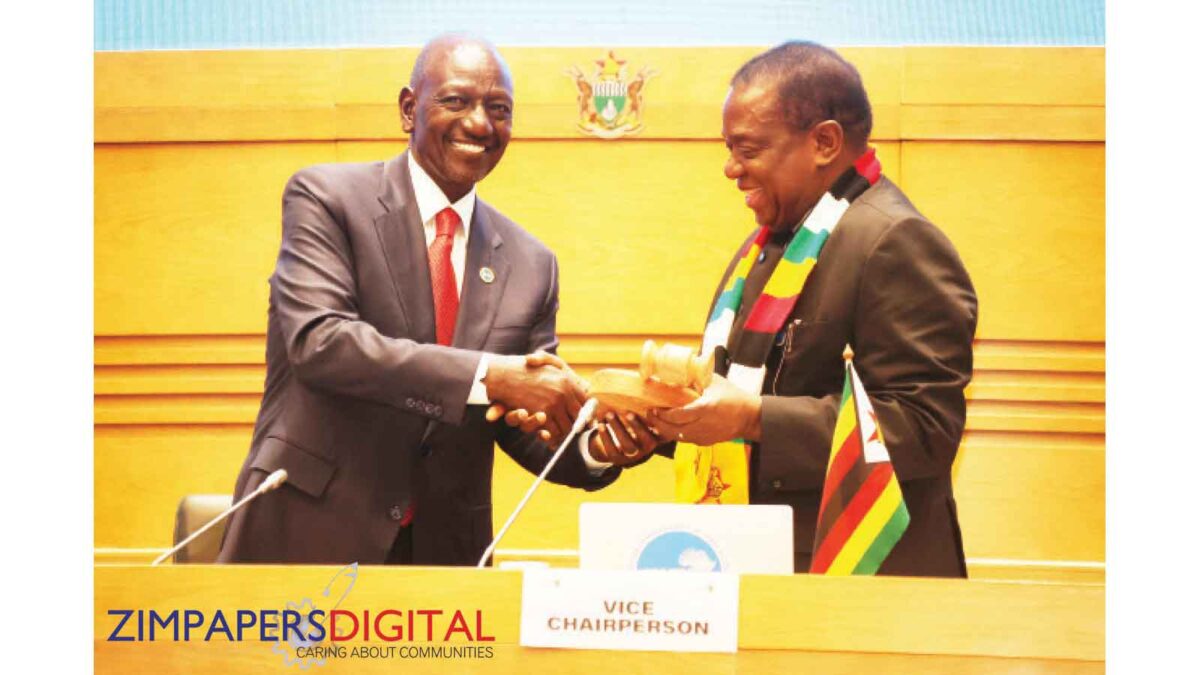
On Thursday, October 22, 2026, Zimbabwe assumed leadership of the Common Market for Eastern and Southern Africa at a time when it is experiencing domestic economic expansion and macroeconomic stability.
Assuming the helm of the 21-member bloc positions Zimbabwe not merely as a ceremonial leader, but as a structurally sound anchor for regional economic integration.
Local currency inflation, which averaged 4,2 percent over the first seven months of the year, decelerated to 2,8 percent in August — its lowest level since Zimbabwe attained independence in 1980.
Building on an 8,3 percent gross domestic product (GDP) expansion in 2025, real GDP growth averaged 6,5 percent in the first quarter of 2026, up from 4,4 percent the previous comparative period in 2025, catalysed by robust performance in mining and agriculture sectors, underscoring profound macroeconomic resilience.
This domestic recovery builds upon Zimbabwe’s successful tenure at the helm of the Southern African Development Community (SADC), which concluded in August 2025.
This dual track record of domestic stabilisation and proven regional diplomacy instils institutional confidence among COMESA member states in Zimbabwe’s capacity to steer the bloc towards shared prosperity.
The structural bottlenecks Zimbabwe is actively addressing — premature deindustrialisation, infrastructural deficits, unemployment, poverty and structurally low intra-regional trade — mirror the constraints faced by its COMESA counterparts.
This symmetry of challenges renders Zimbabwe’s chairmanship highly pragmatic and policy relevant.
Although total regional trade has expanded significantly, the intra-block share remains disproportionately low.
While total COMESA trade increased from US$2 billion at the inception of the Free Trade Area in 2000 to US$14 billion in 2025, intra-COMESA trade remains below 10 percent of total regional trade.
This is starkly inferior to intra-regional trade shares in advanced blocs like the European Union (EU, approximately 60 percent) and developing economies such as the Association of Southeast Asian Nations (ASEAN, approximately 25 percent).
To bridge this gap, Zimbabwe’s chairmanship must pivot from ceremonial diplomacy to the enforcement of actionable, institutionalised trade facilitation.
As articulated by President Mnangagwa, the primary objective is to coordinate member states in fast-tracking value addition, resource beneficiation and inclusive industrialisation.
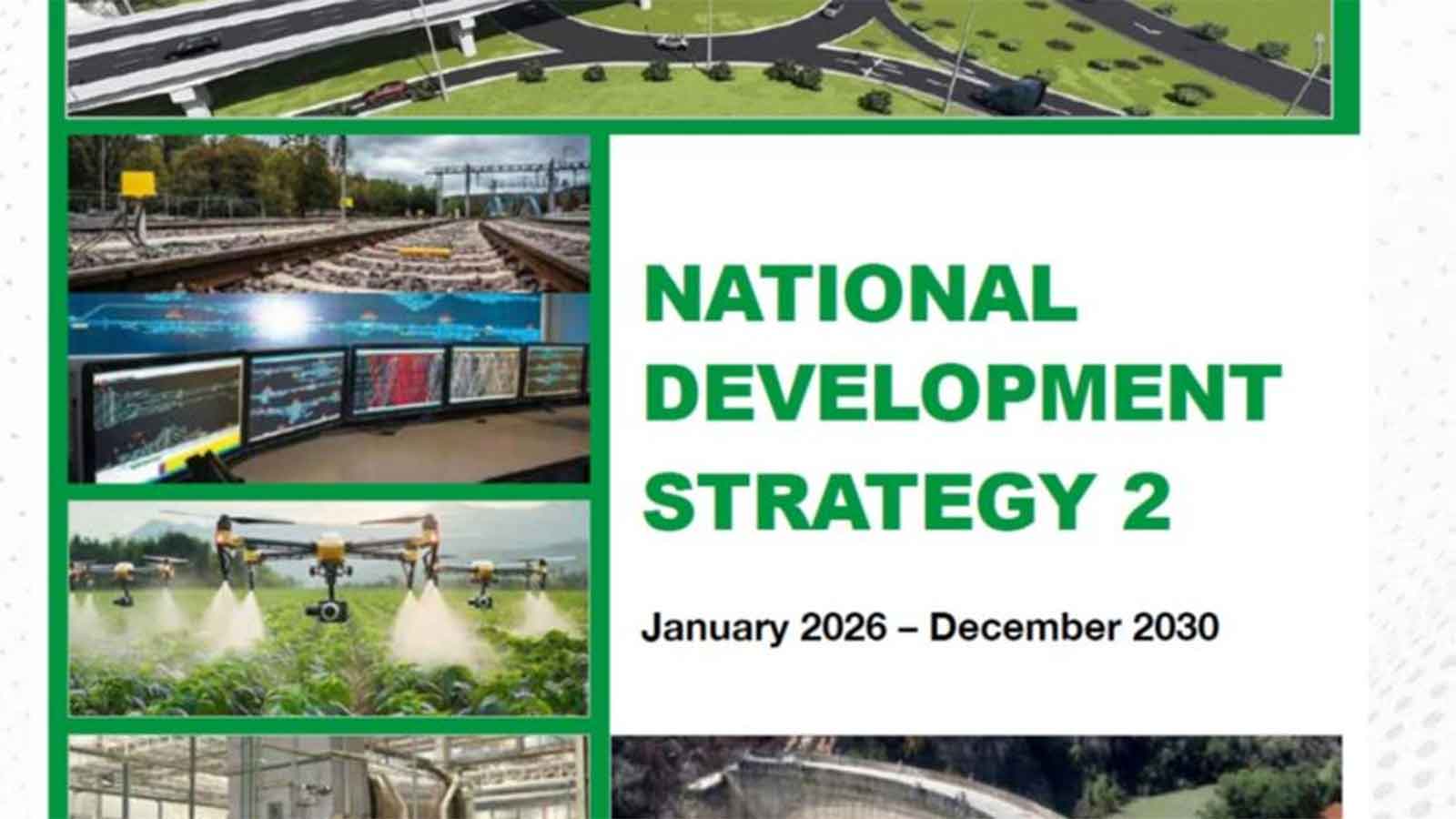
Aligned with Zimbabwe’s National Development Strategy 2 (NDS2), the focus will leverage the region’s abundant natural endowments to integrate deeper into global and regional value chains (GVCs and RVCs).
Crucially, this requires scaling up national productive capacities while facilitating the seamless movement of factors of production, goods and services.
To support this imperative, President Mnangagwa has committed to aggressively dismantling the non-tariff barriers (NTBs) that continue to fragment the COMESA market and stifle cross-border commerce.
Achieving these imperatives demands the acceleration of programmes designed to boost industrial productivity, harmonise sanitary, phytosanitary (SPS) and technical quality standards, resolve transport and logistics bottlenecks, foster simplified customs procedures and rationalise pricing structures.
Beyond trade, the chairmanship will champion food security through a robust climate adaptation and green economy agenda, aligning the bloc with critical global sustainability imperatives.
Furthermore, driving the digitalisation and modernisation of member states’ economies is essential to enhance regional competitiveness and meet global technological requirements.
Importantly, sustainable development is predicated on regional peace and security. Commendably, President Mnangagwa has prioritised preventive diplomacy and the mitigation of transnational threats that undermine collective prosperity.
True to Zimbabwe’s national development mantra, the regional agenda must remain inclusive, ensuring that no member state or demographic is marginalised.
Economic history demonstrates that robust progress is inextricably linked to vibrant regional trade, characterised by the frictionless movement of goods, services and capital.
By unlocking a market of over 600 million people with a combined GDP exceeding US$800 billion, Zimbabwe’s COMESA tenure offers a strategic opportunity to transform regional potential into a shared economic reality.
Persistence Gwanyanya is an economist and member of the RBZ Monetary Policy Committee. He is also the founder and CEO of Bullion Group International. For feedback, email: [email protected].