

 Online Reporter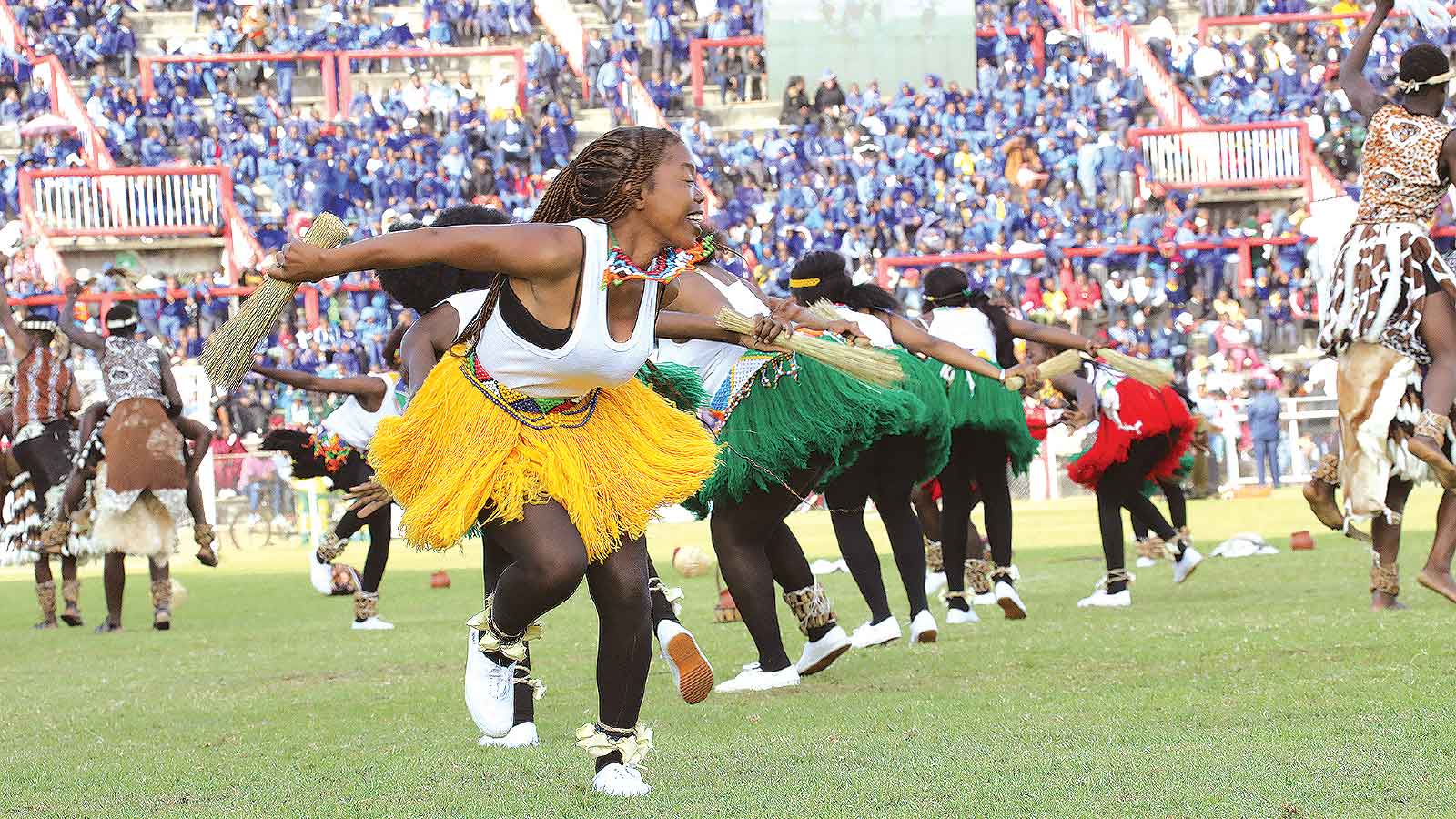
Marilyn Mutize
CULTURE Day in Zimbabwe is often celebrated in colour, music, dance and dazzling traditional attire, but beneath the spectacle lies something far more profound: a living, evolving expression of identity that continues to shape the nation’s unity, resilience and development path.
In a country as culturally layered as Zimbabwe, diversity is not simply something to be displayed once a year. It is the daily reality of how communities live, communicate, remember and imagine their future.
Zimbabwe’s cultural identity is anchored in its diversity. With multiple ethnic groups, languages and traditions coexisting within one national framework, the country represents one of the clearest examples in Africa of unity forged through difference.
From the Shona-speaking communities in Mashonaland to the Ndebele heritage of Matabeleland, and the rich cultural presence of the Tonga, Venda, Kalanga, Shangani and Sotho groups, Zimbabwe is not culturally singular it is culturally plural. Yet this plurality has not fractured the nation. Instead, it has quietly built a shared identity that is both complex and deeply resilient.
One of the most striking features of Zimbabwe’s cultural landscape is language. The country officially recognises multiple languages, a reflection of its commitment to inclusion and representation.
In practice, this means that a child in Binga grows up speaking Tonga, while another in Plumtree speaks Kalanga, and yet both can engage meaningfully in national life through shared languages such as Shona, Ndebele and English. This multilingual reality is not a barrier to unity; it is a bridge that allows Zimbabweans to navigate different cultural spaces with ease and respect.
Language is more than communication it is memory. It carries idioms, proverbs and philosophies that shape how communities interpret the world.
The Shona proverb “chara chimwe hachitswanyi inda” (One finger cannot kill a louse) and the Ndebele saying “umuntu ngumuntu ngabantu” (a person is a person through others) both speak to a shared African philosophy of interdependence. These expressions, though originating from different linguistic communities, converge on a common moral foundation ,community before self. This convergence is the essence of Zimbabwe’s cultural unity.
Beyond language, Zimbabwe’s cultural diversity is vividly expressed in music and dance. The mbira tradition among the Shona is not merely entertainment; it is spiritual communication, a bridge between the living and the ancestral world. The rhythmic sounds of hosho and ngoma drums are not just artistic elements but historical instruments that have preserved oral traditions for generations.
In contrast, the Ndebele cultural expression through isitshikitsha and amabhiza dance forms reflects a different but equally powerful artistic identity rooted in movement, rhythm and communal celebration.
Yet these cultural forms are not isolated. Over time, Zimbabwe’s cultural expressions have intermingled. Contemporary artists fuse traditional instruments with modern genres like Afro-jazz, hip-hop and gospel, creating hybrid sounds that appeal to younger generations while preserving cultural authenticity.
This fusion is not cultural dilution; it is cultural evolution. It shows that Zimbabwean culture is not static but adaptive, capable of surviving modern pressures while retaining its core identity.
Traditional leadership also remains a crucial pillar of cultural preservation. Chiefs, headmen and elders continue to play a vital role in maintaining customary law, safeguarding land heritage and preserving rituals.
In rural communities, ceremonies such as rainmaking, kurova guva and initiation rites still carry deep cultural meaning. These practices are not relics of the past; they are active systems of belief and governance that continue to influence social cohesion and moral order.
At the same time, Zimbabwe’s cultural diversity is also visible in its food systems. From sadza made of maize meal, to millet-based traditional dishes in parts of Matabeleland, to peanut-infused relishes and dried vegetables preserved through indigenous methods, food reflects geography, climate and cultural adaptation.
Even the communal practice of sharing meals remains a powerful cultural symbol of unity and hospitality. In Zimbabwean households, food is rarely just individual it is collective, reinforcing the idea that community sustains life.
However, the significance of Culture Month extends beyond celebration. It raises an important question: how does a nation preserve cultural identity in a rapidly globalising world? Zimbabwe, like many countries, is navigating the tension between modernity and tradition.
The influence of global media, digital platforms and foreign lifestyles has inevitably reshaped youth identity. Yet this shift does not necessarily mean cultural loss. Instead, it presents an opportunity for cultural reinvention.
Young Zimbabweans are increasingly using digital platforms to promote traditional music, fashion and language. Designers are incorporating traditional patterns into modern clothing, while filmmakers and content creators are telling local stories through contemporary formats.
This suggests that culture is not being abandoned but reinterpreted. The challenge, however, is ensuring that this reinterpretation remains grounded in authenticity rather than imitation.
Economic development is another area where culture plays a surprisingly important role. Cultural tourism, heritage sites such as Great Zimbabwe, and traditional festivals have become important economic assets.
Visitors are drawn not only to the physical beauty of Zimbabwe but also to its cultural depth. In this sense, culture becomes an economic resource one that can generate income, create jobs and promote international engagement.
Yet perhaps the most important role of culture in Zimbabwe today is its function as a stabilising force. In times of political, economic or social uncertainty, culture provides continuity.
It reminds citizens of shared origins, shared struggles and shared aspirations. It reinforces the idea that despite differences in language, region or background, Zimbabweans are bound by a common national story.
This is why Culture Month matters. It is not simply a ceremonial event; it is a reaffirmation of identity. It is a reminder that unity does not require uniformity. Zimbabwe’s strength lies precisely in its diversity in its ability to hold multiple identities within one national framework without collapsing into fragmentation.
As Zimbabwe continues to pursue Vision 2030 and broader development goals, culture must not be treated as secondary to economics or politics. Instead, it should be understood as foundational.
No society can sustainably develop if it loses its sense of self. Culture provides that sense of self. It is the invisible architecture upon which national progress is built.
In celebrating Culture Month, Zimbabwe is not just looking back at tradition. It is also looking forward, recognising that its greatest resource may not be beneath the ground or within its industries, but within its people their languages, their stories, their creativity and their shared humanity.
Ultimately, Zimbabwe’s cultural diversity is not a problem to be managed. It is a strength to be harnessed. It is the quiet force that has held the nation together through history and will continue to shape its future.



