Theseus Mauruki Shambare-Herald Correspondent
ZIMBABWE could be on course to reclaim its position as a regional food procurement and agricultural processing hub as investments in food production, quality assurance and laboratory infrastructure gather momentum, the United Nations World Food Programme (WFP) has said.
For decades after Independence, Zimbabwe was regarded as Southern Africa’s breadbasket, producing enough grain and other agricultural commodities to feed its population while exporting surpluses to neighbouring countries.
The country also served as a strategic procurement hub for the World Food Programme (WFP), which sourced food locally for humanitarian operations across Southern Africa and the Great Lakes region.
However, years of economic challenges and recurrent climate-induced shocks eroded agricultural production, forcing the country to increasingly rely on food imports and humanitarian assistance during successive poor seasons.
But WFP Zimbabwe Representative and Country Director Ms Barbara Clemens believes Zimbabwe has the potential to reclaim its former status, provided critical investments continue to be made in food systems and quality infrastructure.
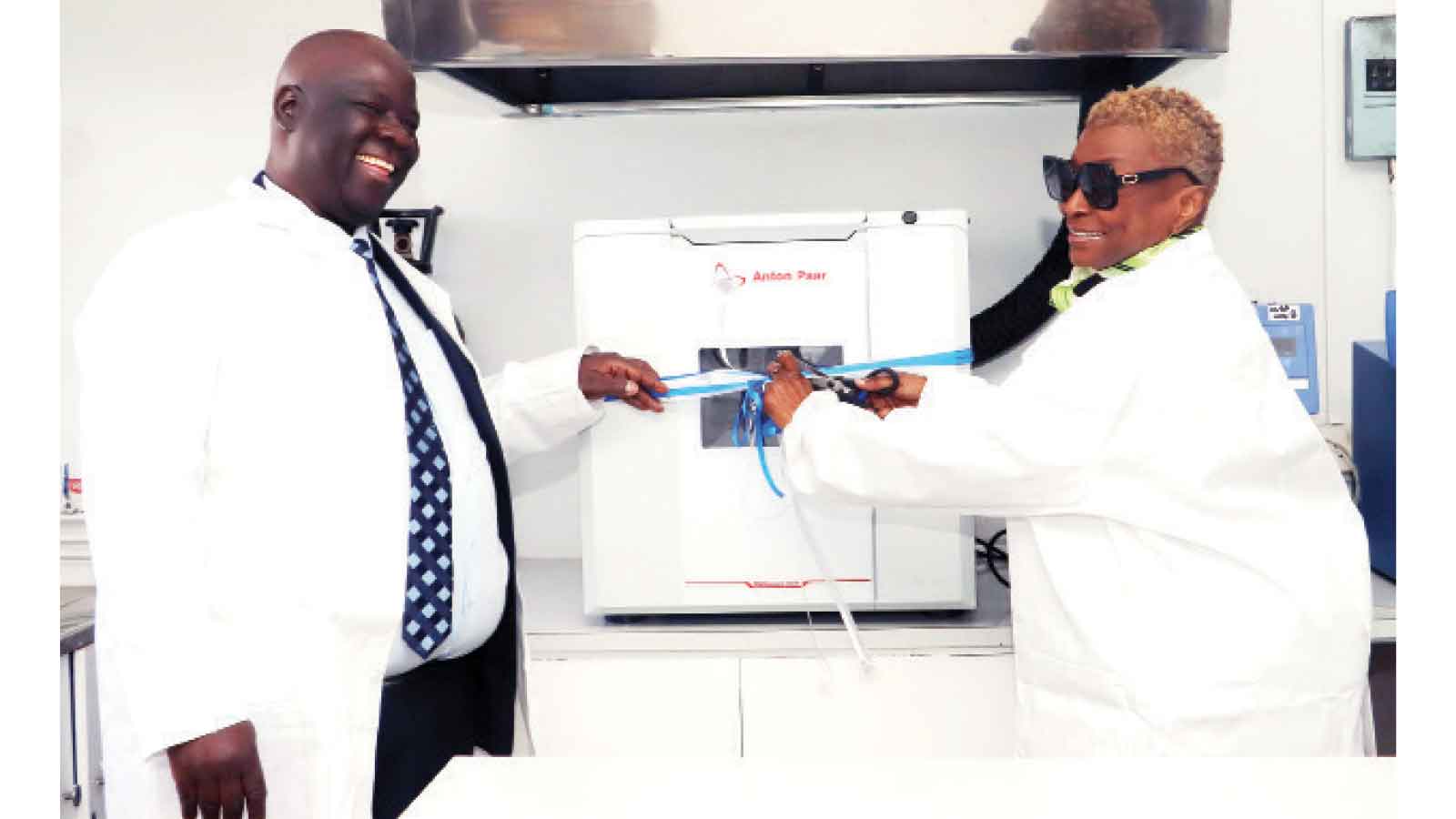
Speaking after the signing of a Memorandum of Understanding with the Standards Association of Zimbabwe (SAZ) and the handover of laboratory equipment worth US$70 000 on Wednesday, Ms Clemens said WFP’s long-term ambition is to see Zimbabwe once again supplying food for humanitarian operations across the region.
“Almost 40 years ago when we started off in Zimbabwe, WFP was buying food in bulk from Zimbabwe and distributing it all over Southern Africa and the Great Lakes states. We never contemplated that Zimbabwe would be in need of food assistance,” she said.
“Our goal in WFP is that, eventually, we price ourselves out of a food assistance job and get Zimbabwe back to where it was before as a food hub for WFP. That cannot happen until there are certain infrastructures that must be in place.”
She said one of the major constraints WFP had encountered when procuring food locally was the time taken to complete laboratory testing, with samples previously being sent outside Zimbabwe for specialised analysis.
“Coming back here as Country Director, I was buying food for our lean season and El Niño response and wondering why it was taking so long. I was told that the samples were being sent to Nairobi or South Africa. I asked, ‘Why should that be?’ If we are buying food in bulk from Zimbabwe, the country must have an internationally recognised standards laboratory capable of testing and certifying that food for the countries where it will be shipped,” she said.
To address that gap, WFP donated a microwave digestion system and a laboratory grinding mill valued at US$70 000 to SAZ.
The equipment is expected to improve sample preparation and significantly reduce laboratory turnaround times for food quality testing.
SAZ Director General Mr Cosmus Mukoyi said the investment strengthens Zimbabwe’s national quality infrastructure at a time when demand for reliable and internationally credible testing services is growing.
“This support comes at a time when demand for accurate, timely and internationally credible testing services continues to grow. We are now able to localise most of this testing, and this is going to be critical in improving turnaround times. We will be able to service industry, WFP and other key stakeholders much quicker than we were doing before, giving Zimbabwe a competitive edge,” he said.
Mr Mukoyi said strong standards and testing systems were fundamental to restoring confidence in Zimbabwean products and expanding market opportunities.
“A resilient food system requires more than production. It requires assurance that food products meet established quality and safety requirements. It requires testing systems that support evidence-based decisions, protect consumers, facilitate trade and strengthen confidence across value chains,” he said.
He said SAZ and WFP would also collaborate on developing new standards to support food quality, safety and resilient food systems.
The partnership is expected to complement Government efforts under Vision 2030 to modernise quality infrastructure, strengthen agricultural value chains and improve Zimbabwe’s competitiveness on regional and international markets, reinforcing the country’s ambition to once again become a strategic food procurement hub for humanitarian and commercial markets alike.