admin
admin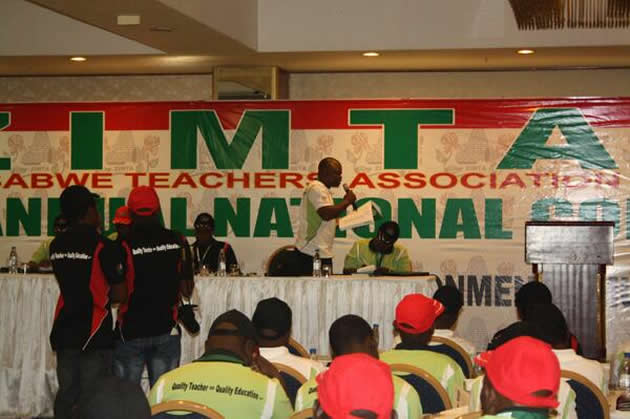
 Pamela Shumba Senior Reporter
THE Zimbabwe Teachers’ Association (Zimta) president, Richard Gundane, has expressed concern over an increase in private educational institutions in the country, saying they are commercialising education.
Addressing delegates at the 34th Zimta annual conference in Harare yesterday, Gundane said the commercialisation of education was a strong driver of segregation and inequalities in education.
He said the government should control the commercialisation of the education sector and introduce policies that promote non-discrimination in accessing education in the country.
“There is a need to stop the commercialisation of the education sector which is seen by the new breed of entrepreneurs, ‘the edu-preneurs’ who think the sector is conducive to profitable returns on investment. Education is a human right that should be protected against marketisation and commodification. Profit making in the education sector isn’t acceptable in this country. Education policies should promote non-discrimination and equality of opportunities rather than reinforce segregation and inequalities.
“We’re still facing schooling gaps between the poorest and richest households, hence the importance of universal, compulsory and state funded basic education. There is therefore need to stop the commercialisation of the education sector,” said Gundane.
He said commercialisation of education was replacing public education instead of supplementing it.
“Private education in our country is developing quickly, particularly in urban areas, but we note with concern that there is little supervision regarding the conditions of enrolment and the quality of education provided in these institutions.
“We want to acknowledge Zimbabwe’s position in the education discourse in Africa and worldwide as well as the good work that has made Zimbabwean education a household name. We must now turn this household name into a brand name of comparative advantages in pursuit of sustainable development of our country,” Gundane said.
He said inclusive education was a basic human right that should reach out to all learners. There was a need for authorities to ensure the learning environment remained academically effective, friendly and safe, among other things.
“Inclusive education is a two-way dignified process that’s relevant to society and should respect people’s culture. Schools and other learning institutions should adapt and respond to all learners’ diverse needs. “This requires paying attention to a wide range of interventions like the curriculum and school infrastructure among others so that the learning environment is academically effective, friendly, safe, clean, healthy and gender responsive,” said Gundane.


 Online Reporter