Online Reporter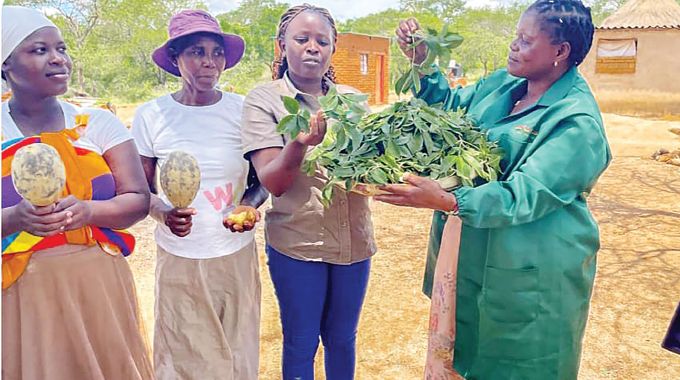
Judith Phiri, [email protected]
ZIMTRADE is scaling up technical support for producers in Matabeleland, to strengthen the development of heritage based products for export markets.
The interventions — covering handicrafts, honey and fashion and heritage fruit based beverages — reflect a targeted and practical approach to addressing key constraints affecting the competitiveness of locally produced heritage products in regional and international markets.
In its latest newsletter, ZimTrade said that while Zimbabwe is endowed with a rich base of indigenous resources, traditional knowledge systems and cultural production, translating these into commercially viable export products requires sustained support in areas such as product development, design, processing, quality assurance and packaging.
“It is against this background that ZimTrade has already intensified capacity building interventions in the Southern Region in the first quarter, working with international technical partners to improve production standards and positioning more producers for participation in export markets.
“One of the recent interventions was the Design, Colour, and Trend Workshop for the handicrafts sector, which was held from March 16 to 27 in partnership with PUM Netherlands senior experts in Bulawayo. The workshop brought together participants from the Matabeleland North handicrafts cluster, Bulawayo Home Industries, and other players in the crafts sector,” the newsletter read.
The training focused on strengthening producers’ ability to interpret international design trends, apply appropriate colour palettes and refine products in line with changing buyer preferences. ZimTrade also sought to support producers in using traditional craft skills and heritage based materials to develop modern, trend driven and commercially relevant products that are in demand in export markets.
“This is critical in ensuring that Zimbabwe’s handicrafts retain their cultural authenticity while responding to contemporary consumer tastes and evolving market requirements. This intervention is important in a market where handicrafts are increasingly assessed on design relevance, finish, and adaptability to modern consumer tastes.”
Statistics show that exports of creative goods reached US$713 billion in 2022, underscoring the scale of opportunity available in global markets for products that combine cultural value with strong design appeal. For Zimbabwean producers, this highlights the need to ensure that heritage products meet current market expectations while maintaining their distinctive identity.
“In the apiculture value chain, ZimTrade continues to support producers through the ZimBEE workshops, which are helping to strengthen technical capacity in the honey sector, particularly for beekeepers in Nkayi and Lupane. The workshops are part of broader efforts to improve production systems, quality management, and market readiness among beekeepers and honey processors.”
This support is seen as critical to building a more structured and competitive honey industry, especially as producers seek to transition from informal sales to formal, higher value markets. With improved quality control, better handling practices and enhanced product positioning, honey remains one of the heritage linked products with strong potential for wider market penetration.
ZimTrade is also extending technical support to the fashion sector through an intervention facilitated by the Senior Expert Service (SES), aimed at strengthening the development of high quality fashion wear.
“The focus is on improving garment construction, finishing, product development, and other technical aspects that influence competitiveness in premium and export facing markets,” the newsletter continued. “This is a significant area of intervention, particularly as Zimbabwean fashion continues to draw from indigenous aesthetics, fabrics, and cultural inspiration. However, access to more structured markets requires products that meet increasingly stringent buyer expectations in terms of quality, consistency and presentation.”
SES support is expected to strengthen the capacity of local designers and manufacturers to produce fashion garments that are both culturally distinctive and commercially competitive.
Further technical support is scheduled for May, when PUM will conduct a specialised intervention for juice manufacturers working with heritage fruits such as baobab.
The intervention is designed to address persistent technical challenges affecting the commercialisation of these products, particularly issues related to sedimentation, colour change, fermentation and limited shelf life.
These challenges are critical for processors seeking to introduce heritage fruit beverages into formal retail and export channels, where product stability and shelf performance are essential. The intervention is expected to help manufacturers improve product stability and extend shelf life, thereby enhancing the overall marketability of heritage fruit beverages.
This support comes at a time when global interest in baobab continues to grow. Industry reports indicate rising demand for baobab in international markets, particularly within the health and wellness segment, where it is valued for its nutritional benefits and use in functional food and beverage applications.
“For Zimbabwe, this presents an opportunity to deepen value addition around indigenous fruits and strengthen export participation through more technically sound processing,” added the country’s trade and export promotion agency.