Online Reporter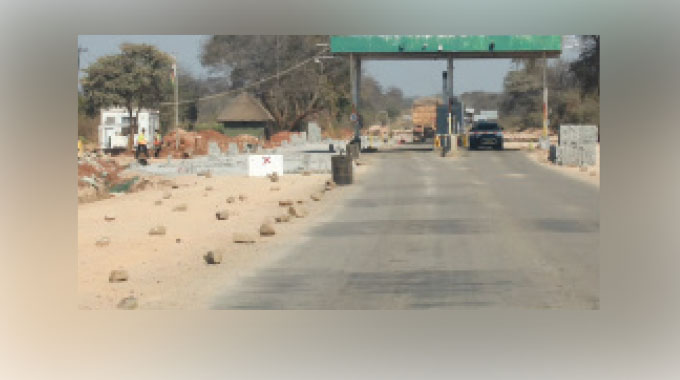
Sikhumbuzo Moyo [email protected]
THE Zimbabwe National Road Administration (Zinara) has begun rolling out an electronic tolling (e-tolling) system across the country, marking a major step towards modernising Zimbabwe’s road infrastructure and improving traffic movement on key highways.
The project will see the construction of dedicated express lanes at all 29 tollgates nationwide, allowing motorists registered under the new electronic tolling platform to pass through tollgates without stopping to make manual payments.
The new system is based on Radio Frequency Identification (RFID) technology and is designed to reduce congestion, shorten waiting times and improve the overall efficiency of toll collection.
Construction is already under way at Umguza Tollgate along the Bulawayo-Victoria Falls Highway in Matabeleland North. The existing single-lane approaches are being expanded to three lanes in each direction, with one lane on either side reserved exclusively for motorists using electronic toll payment systems. The remaining lanes will continue to cater for conventional payment methods.

According to Zinara, the Department of Roads under the Ministry of Transport and Infrastructural Development is overseeing quality assurance for the project.
“The dedicated express lanes are designed for motorists using electronic and prepaid toll payment platforms. They separate electronic and contactless transactions from cash and other conventional payment methods, allowing faster processing of vehicles,” said Zinara in a latest update.
Under the new system, motorists will use RFID-enabled electronic tags, known as e-Tags, which will be affixed to vehicle windscreens. As a vehicle approaches the tollgate, the system automatically scans and verifies the tag.
Once validated, the boom gate opens automatically, allowing the motorist to proceed without stopping to make a cash payment or undergo manual processing.
Zinara said the move is intended to address delays associated with the current tolling system, where all motorists use the same queues regardless of their preferred payment method.
“Under the conventional tolling arrangement, all motorists queue together regardless of their preferred payment method. This often results in longer transaction times, particularly where cash payments are involved,” said Zinara.
The roads authority believes the introduction of express lanes will significantly improve traffic flow at toll plazas, particularly during periods of heavy traffic such as public holidays and peak travel seasons.
The project forms part of Government’s broader strategy to modernise tolling infrastructure and embrace technology-driven service delivery across the transport sector.
“Government has adopted a long-term strategy to progressively modernise tolling infrastructure across the country, with the rollout of express lanes forming a key component of that strategy.
“Future implementation will prioritise tollgates that experience comparatively high traffic volumes, particularly those located along major national highways,” said Zinara.
The agency said the e-tolling programme is expected to improve the efficiency of Zimbabwe’s road transport network while making travel more convenient through faster, safer and more reliable toll collection systems.
Beyond reducing queues, Zinara said the initiative supports the country’s broader vision of developing smart transport infrastructure that uses technology to improve public service delivery and operational efficiency.
“Through such automated systems, revenue assurance is strengthened, efficiencies are improved and the overall customer experience is enhanced. Faster movement of people and goods enhances economic productivity, supports tourism, facilitates regional trade and contributes to improved logistics efficiency,” said the agency.
The authority added that shorter waiting times at toll plazas would also deliver environmental benefits by reducing vehicle idling, fuel consumption and emissions, particularly during periods of high traffic volumes.
Motorists wishing to use the express lanes will be required to register for the e-Tag system and maintain a prepaid toll account linked to their vehicle.
Once installed on the windscreen, the RFID-enabled tag communicates automatically with the tolling infrastructure, enabling seamless toll payments without the need for cash transactions or physical interaction with toll attendants.
Zinara said the shift towards electronic toll collection is also expected to strengthen revenue management through improved accountability, reduced cash handling and enhanced transparency in toll collection processes.
The e-tolling project is part of wider Government efforts to digitise road infrastructure management, improve service delivery and align Zimbabwe’s transport systems with international best practices.
As work progresses at Umguza and preparations begin for implementation at other tollgates, Zinara expects increasing numbers of motorists to embrace the electronic payment platform, helping to ease congestion and improve travel experiences on the country’s busiest roads.
With all 29 tollgates set to benefit from the upgrade, the introduction of express lanes marks a significant shift in the way motorists will access and pay for road infrastructure, as Zimbabwe moves towards a faster and more technology-driven transport system.