Online Reporter
Nqobile Tshili, [email protected]
THE Zimbabwe Prisons and Correctional Services (ZPCS) has established a halfway home in Bulawayo to facilitate the reintegration of prisoners who are nearing release.
The facility will provide a transitional environment for inmates before they fully re-join society.
Last week, ZPCS conducted a trial run of the initiative, allowing qualifying inmates to spend a day at the halfway home. Authorities revealed that inmates selected for the programme would be those nearing the end of their sentences and with consistent family support through regular visits.
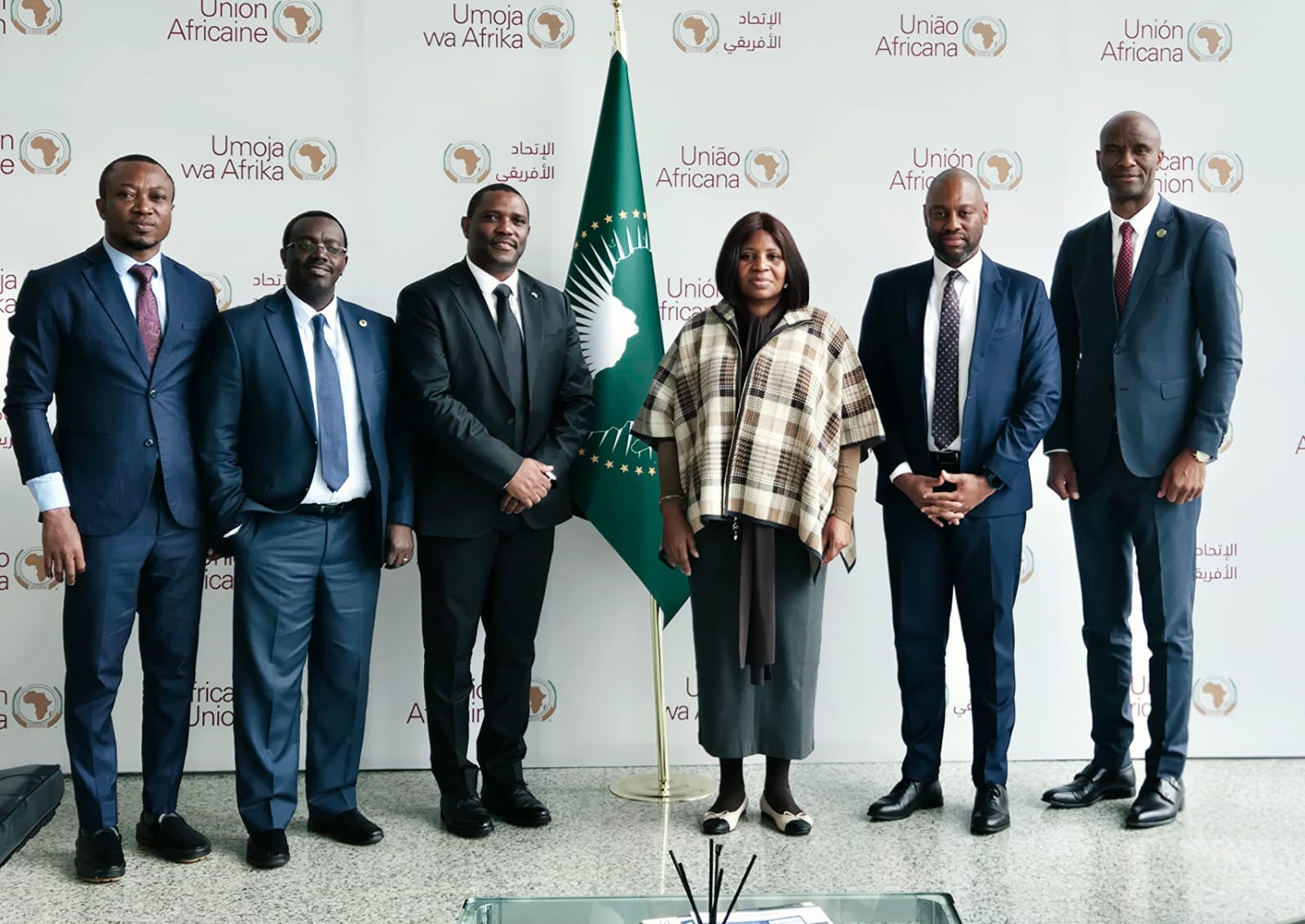
Speaking on the sidelines of the Southern African Development Community (SADC) Secretariat training for senior ZPCS officers, Commissioner General Moses Chihobvu said the halfway home is part of a broader rehabilitation strategy.
“We have a community-based project that is situated in Queens Park as part of the reintegration programme. In other countries they talk of halfway homes and open prisons, he said.
“We are starting with stakeholders in the community who would want to assist in the rehabilitation of inmates. So this is another point where we would rehabilitate them before they go back to the community.”
Comm-Gen Chihobvu noted that while ZPCS is implementing external reintegration programmes, the correctional service is also satisfied with the skills development initiatives taking place within prison facilities.
During the training programme, senior prison officers toured the Khami Prison Complex, where they observed various rehabilitation projects.
“They visited Khami Prison Complex where they visited Mlondolozi Prison and Khami Maximum Prison. At Mlondolozi, there are a lot of activities that are taking place, especially on the rehabilitation of female inmates,” said Comm Gen Chihobvu.
“We have a saloon at Mlondolozi Prison where inmates are taught how to knit their hair, to do nails and there are so many things that are done to capacitate the female inmate.”
Comm Gen Chihobvu said at Khami Maximum Prison, inmates are engaged in arts and crafts, including shoemaking.
“We also offer blended learning programmes, equipping inmates with knowledge and skills they can use upon release,” he said.
He emphasised that these rehabilitation efforts benefit both the inmates and society.
“It’s the inmates who gain the knowledge and when they are released, they will go out and start some of the projects on the outside. Some of them might be employed by individuals, but the main issue that we need to emphasise on is to be self-sufficient in terms of starting their business,” said Comm Gen Chihobvu.
He also described the SADC Secretariat-led training as transformational, saying it would improve ZPCS operations and enhance how the institution benchmarks and manages prisoner rehabilitation. — @nqotshili