Gibson Mhaka gibson.mhakabmetro.co.zw
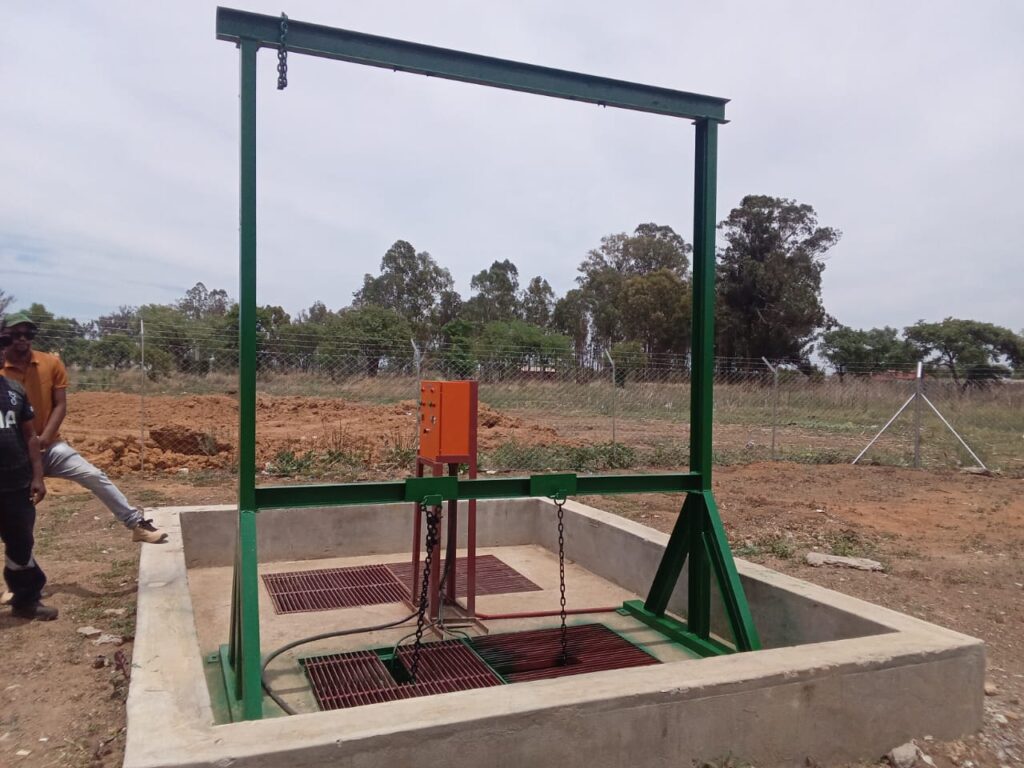
THE rehabilitation of the Zimbabwe Republic Police (ZRP) Fairbridge Police Camp sewer treatment works in Bulawayo has been completed, marking a major step towards improving sanitation and living conditions at the police facility.
The project, funded by the Ministry of Finance, is set to be handed over to the Ministry of Home Affairs and Cultural Heritage following the completion of works by contractor B and S Mcheken Contractors.
The rehabilitation forms part of the Second Republic’s ongoing drive to modernise security sector infrastructure, improve working and living conditions for police officers and uphold public health standards across public institutions.
The project has restored an abandoned sewer treatment system that had become dysfunctional following the deterioration of key infrastructure, resulting in sewage flowing onto the surface instead of being channelled through the treatment process.
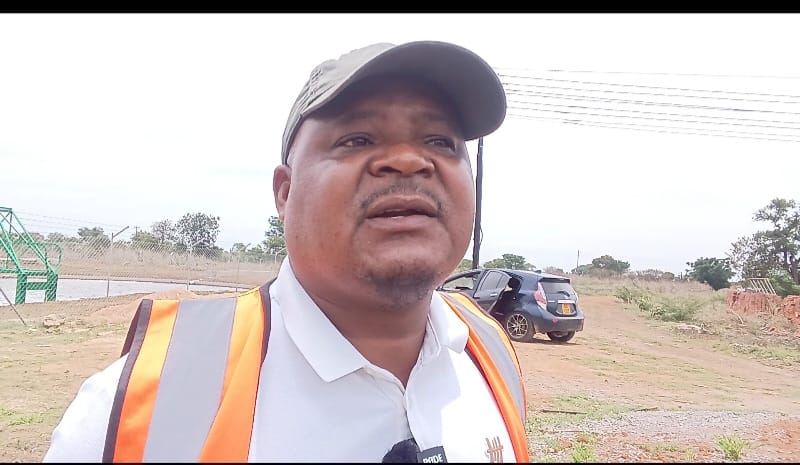
Site project manager for B and S Mcheken, Engineer Blessed Kanyemba, said the works involved extensive civil engineering, mechanical and electrical interventions to restore the treatment plant to operation.
Outlining the engineering work undertaken to bring the abandoned system back to life, Eng Kanyemba said the team had overhauled the facility, from the receiving pond to the electrical control systems.
“The scope of work ranged from civil engineering to mechanical and electrical works, as well as other activities around the site.
“This was an abandoned sewage treatment works. The entire sewer network within the compound was connected to the receiving pond.
“However, the trunk line from the receiving pond had collapsed, resulting in sewage flowing directly onto the surface instead of being channelled to the treatment works. As a result, the treatment processes were no longer active,” Eng Kanyemba said.
He said the contractor had restored the plant by clearing years of accumulated sludge and rehabilitating essential components of the treatment system.
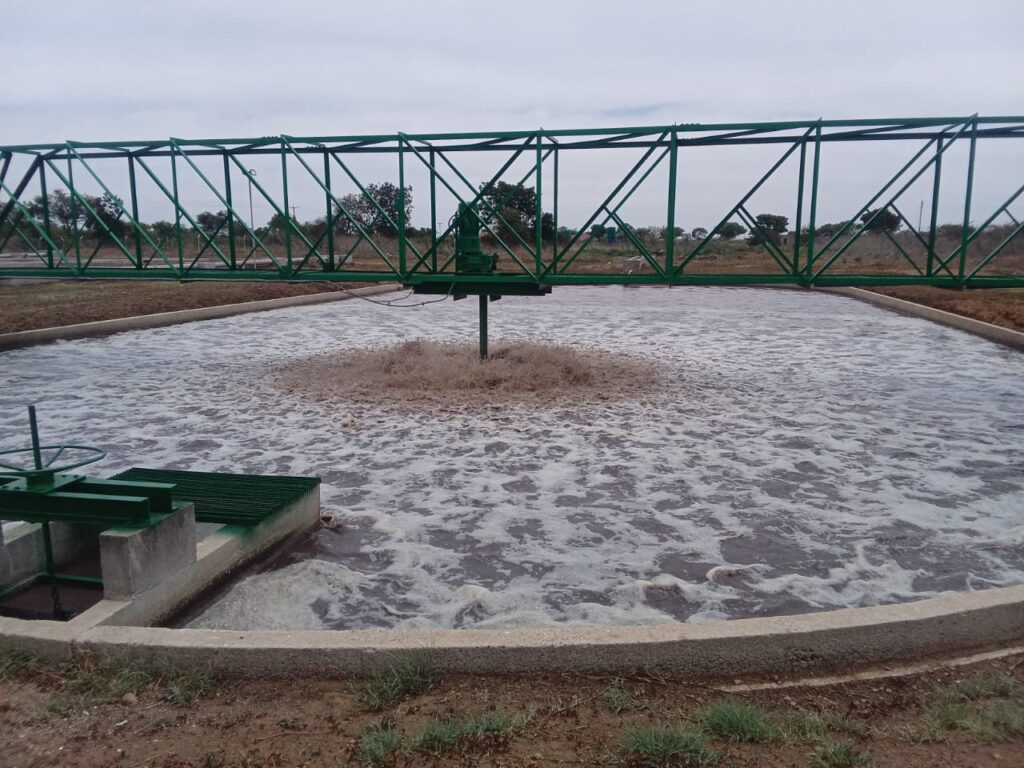
“We revamped the site and reinstated all the processes involved in the sewage treatment works. We desludged the receiving pond and laid a new trunk line from the receiving pond to the inlet works.
“We also desludged the aeration pond, which was heavily clogged with sludge following years of abandonment. The sedimentation tanks and effluent ponds were also cleared,” he said.
Eng Kanyemba said the works further involved installing new filtration sand, valves and connections to replace old and leaking fittings, as well as upgrading the electrical components needed to operate the plant.
“We also installed new filtration sand, valves and connections to replace the old, leaking fittings.
“The electrical works were directly related to the operation of the treatment plant, particularly the aeration process, which involves introducing oxygen from the air into the pond to enable microorganisms in the sewage to break down solid waste,” he said.
The completion of the Fairbridge rehabilitation follows similar Government-led efforts to upgrade police infrastructure, including the comprehensive refurbishment of Harare Central Police Station and its surrounding provincial headquarters complex.
The Harare project targets offices, reception areas, detention cells, roofing systems and the general yard, among other facilities, as part of efforts to improve the working environment and modernise policing infrastructure.
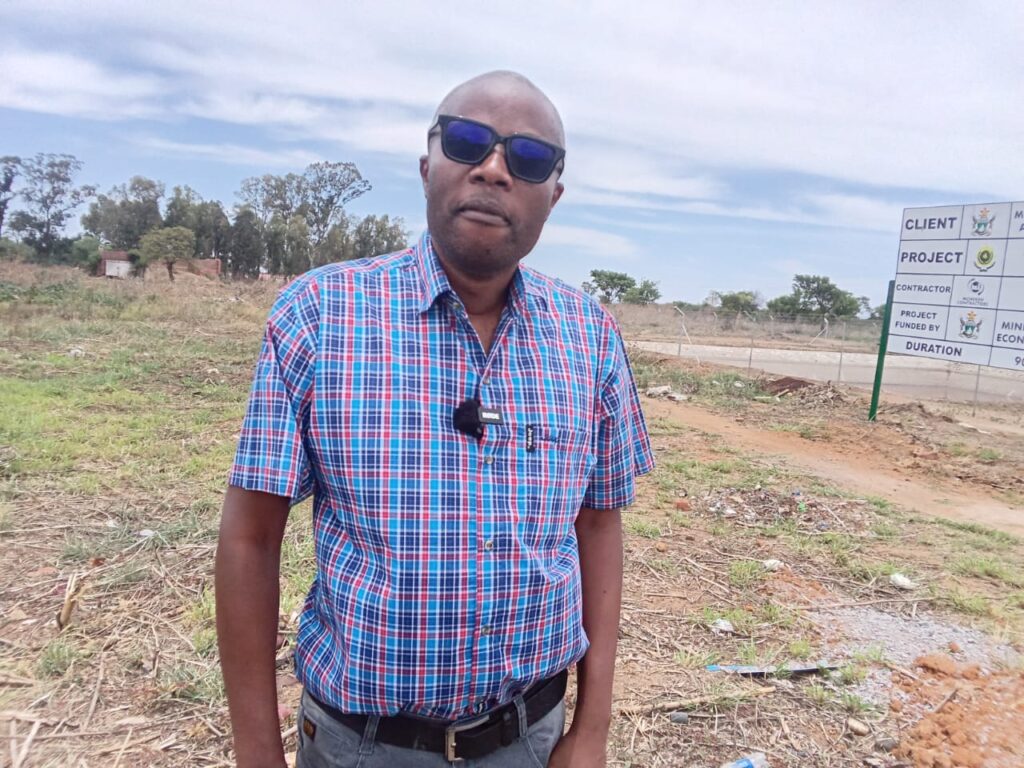
B and S Mcheken Contractors operations manager, Mr Simbarashe Chihota, said the Fairbridge Police Camp project reflected the Government’s commitment to rehabilitating public infrastructure and improving the welfare of members of the security services.
He said the Second Republic had prioritised infrastructure renewal after years of deterioration at several public institutions.
“As you know, when the Second Republic came in, there was a strong focus on infrastructure rehabilitation. There were a lot of issues that had gone wrong over the past 40 years, particularly regarding the living conditions of members of the security sector, which had not been adequately addressed.
“With the coming in of the Second Republic, the mandate was clear: to ensure that all Zimbabweans benefit through the refurbishment of various institutions,” Mr Chihota said.
He said the Fairbridge Police Camp works were part of a broader programme to modernise public facilities, citing the refurbishment of Parirenyatwa Group of Hospitals and ongoing works at Mpilo Central Hospital as examples of Government’s infrastructure renewal drive.
“We are also part of that team, gradually getting involved in the refurbishment of Zimbabwe Republic Police facilities and the modernisation of police stations and surrounding infrastructure.
This is for the benefit of ZRP residents, the younger generations growing up and the country as a whole,” he said.
The completed sewer rehabilitation is expected to improve sanitation at Fairbridge Police Camp and provide a more reliable waste-treatment system for the facility.
Once formally handed over to the Ministry of Home Affairs and Cultural Heritage, the rehabilitated infrastructure will become part of the Ministry’s responsibility for use and maintenance.