


 malvernmugadzikwa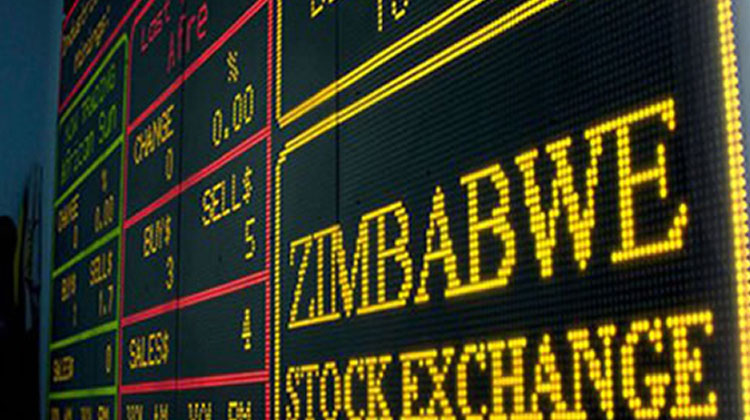
Business Reporter
THE Zimbabwe Stock Exchange (ZSE) emerged as Africa’s best-performing bourse for the year to August 30, 2024, with the All-Share Index recording a 100 percent gain, in Zimbabwe Gold (ZiG) terms, before accounting for any currency depreciation.
The period saw significant changes in Zimbabwe’s financial landscape, marked by the introduction of the ZiG currency, as highlighted in the 2024 Monetary Policy Statement released on April 5. In response to the introduction of ZiG, the ZSE re-based its indices to 100, aligning with the new structured currency.
The changes, which came into effect on April 8, 2024, allowed trading on the ZSE to transition to the ZiG unit, a move that further fuelled investor confidence and boosted stock market performance. Even after factoring in any currency depreciation, the ZSE can still outpace its regional counterparts in real terms.
After the ZSE, the Lusaka Stock Exchange of Zambia is the second-best performer in United States-dollar terms, with a 40,59 percent gain since the beginning of the year. It is followed by the Ghana Stock Exchange’s Composite Index, which put on 38,9 percent, according to African Stock Markets, a website that tracks performance of African stock markets.
Across the border, the Johannesburg Stock Exchange (JSE) gained 9,51 percent in real terms, while the Botswana Stock Exchange’s Domestic Companies’ Index put on 7,78 percent.
The remarkable performance of the ZSE during this period was underpinned by relative economic stability in the country.
The new ZiG currency, backed by gold and other minerals, helped restore market confidence, despite the broader challenges facing the economy.
This currency stabilisation allowed investors to hedge against inflation and currency volatility, driving stock market gains.
Market capitalisation also saw substantial growth, rising to US$3,93 billion by August, from US$1,87 billion at the start of the year, a 110,36 percent increase.
This impressive year-to-date gain further cements the ZSE’s status as one of Africa’s top-performing markets in 2024. Activity on the ZSE was mainly driven by the ZSE Top 10 Index, which had a year-to-date gain of 107 percent in the local currency before discounting for currency depreciation.
The index comprises the top 10 largest companies ranked by market capitalisation as of the date of review.
The index measures the performance of the top 10 listed heavyweight counters, and it represents 65 percent — 80 percent of the full market value.
Delta, one of the Top 10 Index counters, with a 100 percent gain in market capitalisation, saw volumes remaining strong in FY24, growing by 12 percent year-on-year to an aggregate of 12,53 million hectolitres, as the company leveraged new investments into capacity.
Lager volumes notably grew by 13 percent to a record 2,46 million hectolitres, with market share remaining flat at 96 percent.
During the first quarter of its financial year, Delta saw larger volumes grow by 9 percent ahead of the prior year, with growth attributed to strong demand and a consistent supply of brands and packs, whereas sparkling beverage and Afdis volumes for the period grew by 11 percent and 6 percent, respectively.
Unifreight, a transport and logistics company, led the ZSE Top 5 risers for the period under review, with a year-to-date gain of 997,03 percent, followed by plastics and tubes manufacturer Proplastics, which rose by 422,29 percent before factoring in any currency depreciation.
Other top 5 counters that rose significantly are Mashonaland Holdings (319,04 percent), National Tyre Services (290,43 percent) and Art Corporation (245,16 percent).
The ZSE’s performance signals positive momentum for Zimbabwe’s economy as investors continue to respond favourably to currency reforms and the nation’s mineral wealth.
However, ongoing challenges, including electricity shortages and foreign currency constraints, still loom over the market’s long-term outlook.
Investment analyst Mr Enock Rukarwa said the ZSE’s performance remains largely a function of its strong fundamentals and the fact that it is only one of the optimal investment asset classes accepting the local currency.
He said other asset classes like property and alternative investments are now predominantly US dollar-denominated, creating a competitive advantage for the ZSE market on local funds.
However, the rally was not anchored by traditional players — asset managers, pension funds and insurance companies — but mainly high net worth individuals and a handful of corporates that are long on ZiG, Mr Rukarwa said.
“What is welcoming about current stock market developments is the fact that Indians and Chinese are also exploiting inherent opportunities within our local markets, which broadens the investor base.
“As the de-dollarisation drive gathers momentum, we forecast increased traffic on the stock market as investors hedge against inflationary expectations.”



 Bongani Ndlovu
 Online Reporter