Online Reporter
Nqobile Bhebhe [email protected]
ZIMBABWE could unlock an estimated US$28 million in annual electricity revenue from a proposed 1 065MW distributed solar programme requiring about US$762,75 million in initial capital, showing the potential for renewable energy to become both a domestic power solution and a regional export opportunity.
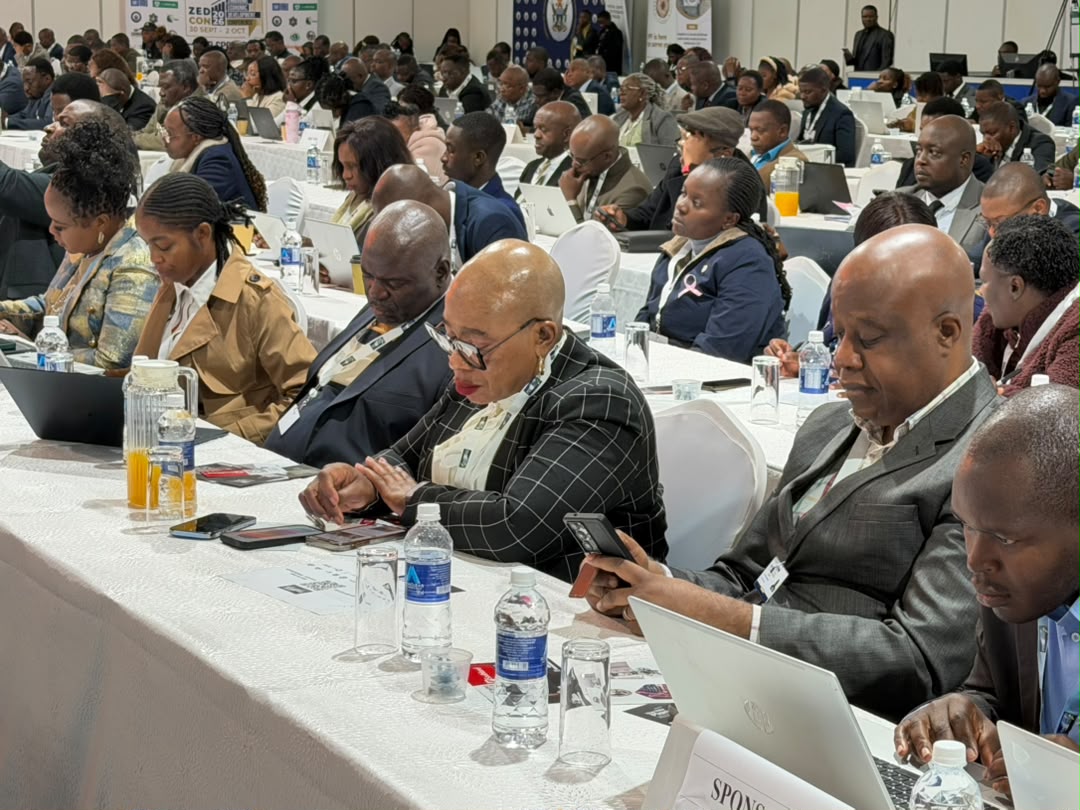
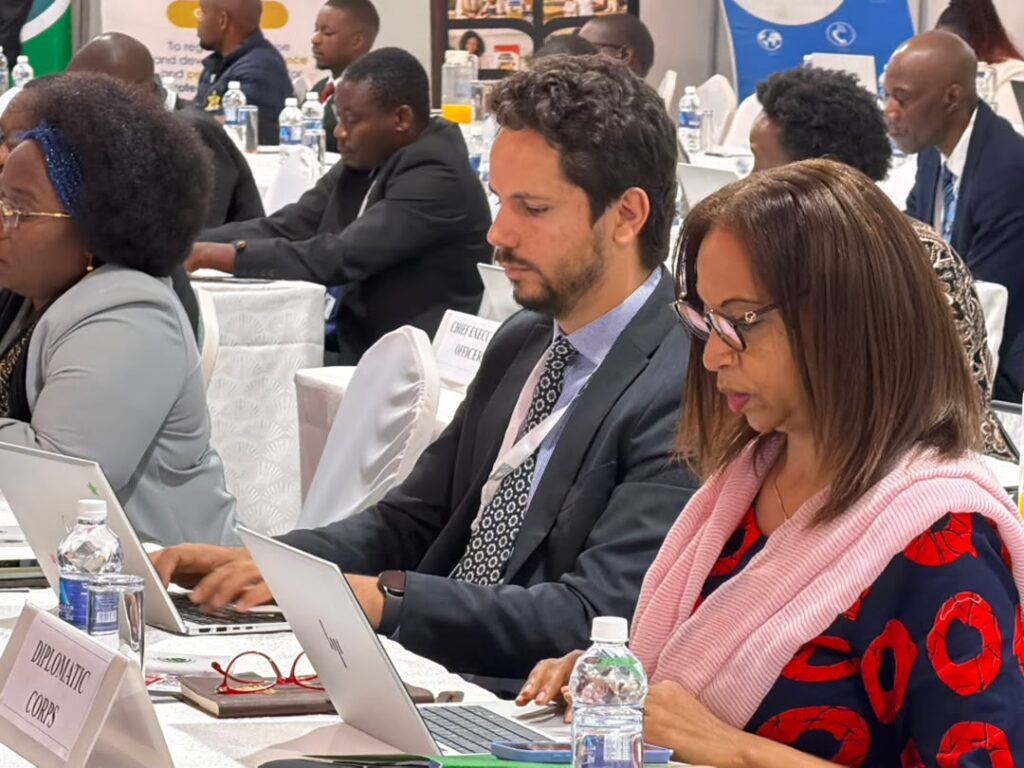
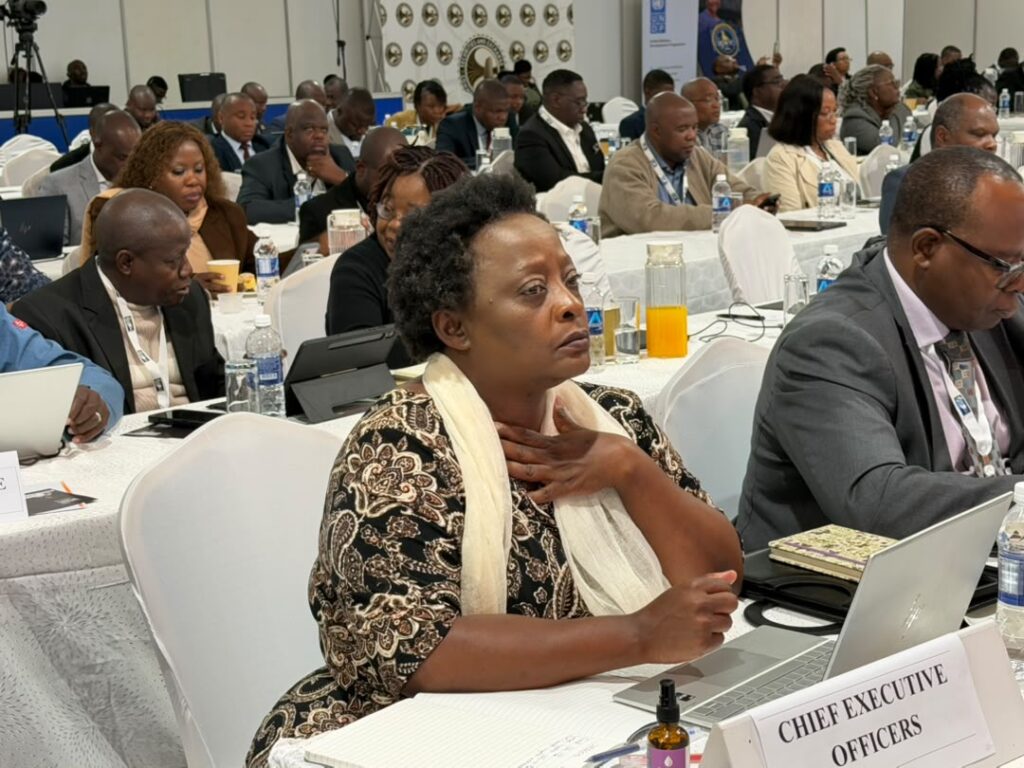
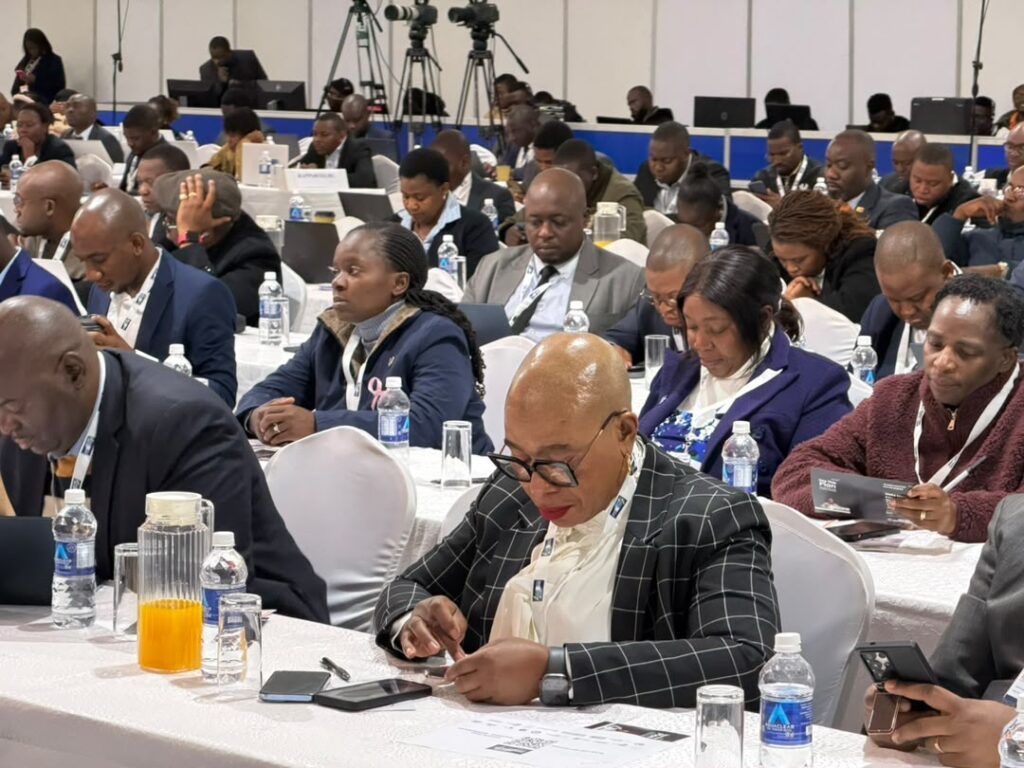
The proposal, presented by Reserve Bank of Zimbabwe representative Mr Oliver Chipfuwamiti at the ongoing ZEDCON 2026 in Bulawayo, envisages the development of distributed photovoltaic (PV) generation capacity that could produce approximately 1,86 terawatt-hours (TWh) of electricity annually under the adopted planning assumptions.
Beyond helping address Zimbabwe’s electricity deficit, the programme could create surplus power for export into the Southern African Power Pool (SAPP), potentially generating additional foreign currency for the economy.
“Approximately 280 GWh/year could potentially become available for export under the paper’s illustrative 15 percent surplus-export scenario,” Mr Chipfuwamiti said in his PowerPoint presentation.
“At an assumed SAPP price of US$0.10/kWh, this corresponds to an illustrative US$28 million/year revenue scenario.”
The revenue figure is an illustrative scenario rather than a guaranteed return, with actual export volumes and revenues depending on generation performance, domestic demand, transmission capacity, SAPP market conditions and prevailing electricity prices.
The proposed US$762,75 million investment would support a distributed solar programme with a combined capacity of 1 065MW, creating opportunities for private capital participation across commercial, institutional and independent power projects.
The investment case comes as Zimbabwe seeks to diversify its electricity generation base and reduce pressure on the central grid, with electricity supply reliability remaining critical to mining, manufacturing, agriculture and other productive sectors.
Mr Chipfuwamiti said solar generation could potentially compete with imported electricity, although project economics would depend on financing and operating conditions.
“PV generation has the potential to be competitive with imported electricity, subject to project-specific financing, tariffs, network charges and operating conditions,” he said.
The proposed model would also shift part of electricity generation closer to consumers, potentially allowing mines, manufacturers, businesses, farms and institutions to participate in distributed generation.
However, the presentation identified policy certainty as critical to making the programme bankable and attracting the required capital.
Among the recommended measures is strengthening distributed-generation policy to facilitate participation by commercial and institutional users and independent power producers.
The RBZ presentation also called for predictable tariffs, power purchase agreements (PPAs), net-metering and feed-in mechanisms, as well as appropriate investment incentives.
“Develop predictable tariffs, PPAs, net-metering/feed-in mechanisms and appropriate investment incentives,” the presentation reads in part.
Grid access and electricity wheeling would also need to be streamlined to allow generators to supply large consumers through transparent and predictable arrangements.
“Establish transparent and predictable grid-access and wheeling arrangements for IPPs and large consumers,” Mr Chipfuwamiti said.
The programme would further require investment in battery energy storage systems (BESS), smart inverters and grid reinforcement to manage the variability associated with solar generation.
“BESS, smart inverters, energy efficiency and grid reinforcement are essential for managing PV variability and enabling reliable integration,” he said.
On financing, the proposal recommends a combination of public-private partnerships, green finance and concessional funding to reduce the upfront capital burden.
The approach could also strengthen Zimbabwe’s participation in regional electricity markets, particularly if additional generation capacity creates a sustainable surplus after meeting domestic demand.
“The programme could strengthen Zimbabwe’s participation in regional electricity trade, but detailed financial, network and hourly energy-system studies are required before implementation,” Mr Chipfuwamiti said.
The proposed 1 065MW programme could create a dual economic opportunity by expanding domestic electricity supply while potentially generating foreign-currency earnings through regional power exports.
“Zimbabwe’s energy deficit requires diversification beyond the existing centralised generation model,” Chipfuwamiti said.
“A coordinated 1,065MW distributed solar programme could produce approximately 1.86 TWh/year under the adopted planning assumptions.”
He added: “Distributed PV can support mining, industry, agriculture and public institutions while reducing pressure on the central grid.”
Ultimately, the proposal positions distributed solar as part of a wider energy and industrial strategy rather than simply an additional source of electricity.
“Distributed solar should be treated not simply as additional generation, but as part of an integrated national energy strategy.”