Online Reporter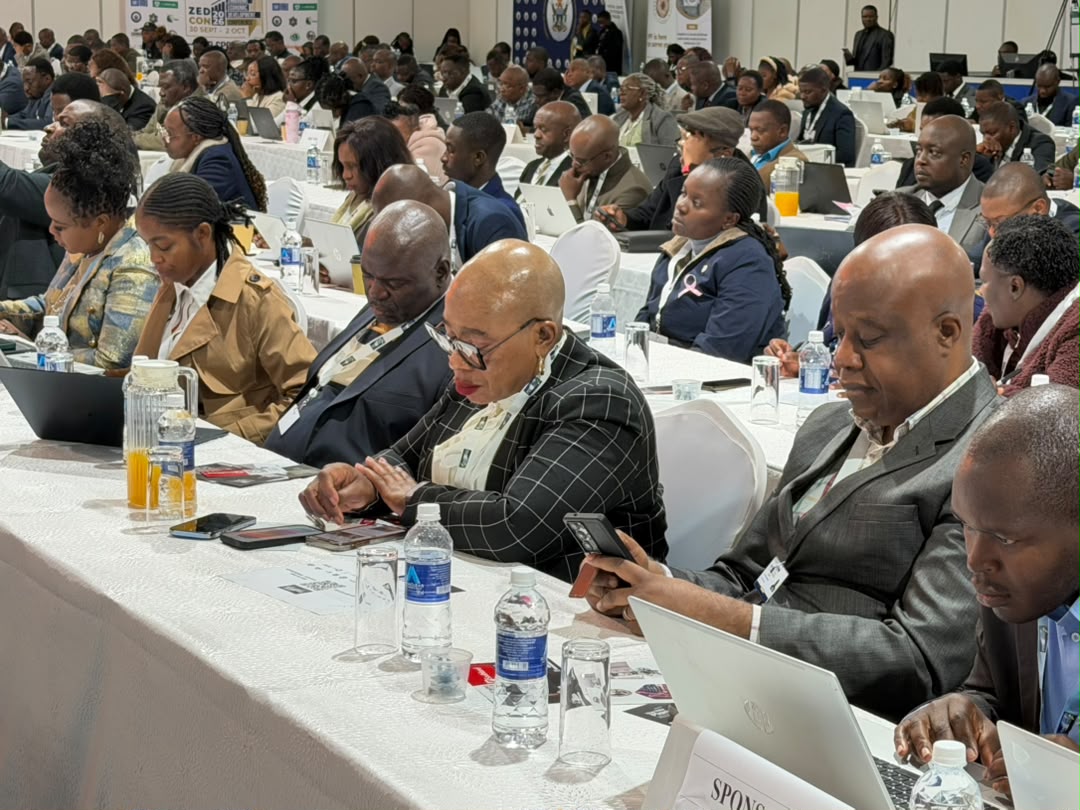
Judith Phiri [email protected]
EXPERTS have called for the launch of the Zimbabwe Green Sovereign Bond Facility (ZGBF) as an innovative financing mechanism to mobilise long-term capital for climate-resilient infrastructure, renewable energy and other sustainable development projects.

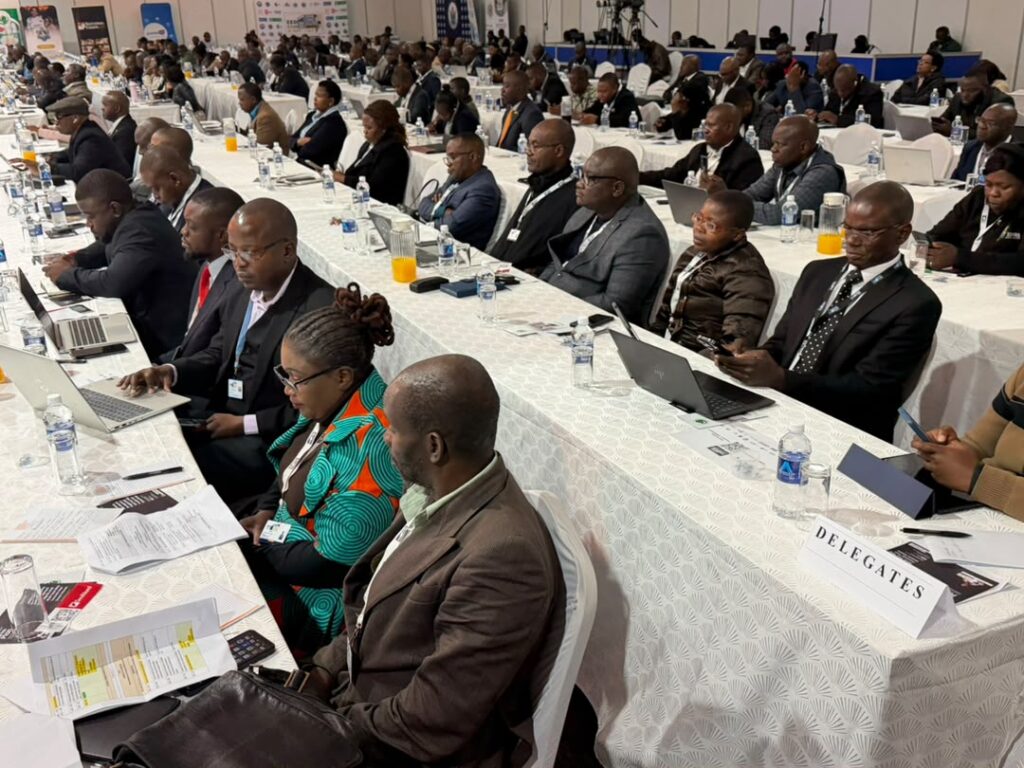
Presenting a paper titled Steering Zimbabwe’s Renewable Energy Transition: A Developmental State Analysis of Policy Implementation, Public-Private Partnerships and Innovative Financing Mechanisms at ZEDCON 2026 on Thursday, Doctor of Business Leadership Candidate 2026 Mr Derek Mashiri said there was a need to address Zimbabwe’s chronic electricity deficit and energy transition imperatives.
“Zimbabwe’s electricity crisis is witnessed in that we have 2,962 megawatts (MW) installed but 1,300 MW is available as of 2026. There is a demand of 1,700 MW with peak projected at 2,200 MW.
“We used to have load-shedding of 12 to 16 hours daily from 2019 to 2023 and the Southern African Power Pool (SAPP) imports of 1,252 GWh in 2024 were a costly forex drain. While the current household electrification rate is at 40.9 percent,” he said.
“We recommend the launch of Zimbabwe Green Sovereign Bond Facility (ZGBF) to address the country’s energy challenge as the three-decade structural electricity deficit persists.”

He said the ZGBF target was US$500 million initially, with leverage to US$3 billion in total, while the concessional-to-commercial leverage ratio was critical.
Mr Mashiri said there was also a need to establish a Renewable Energy Transaction Unit (RETU), modelled on South Africa’s Independent Power Producers (IPP) Office, a 25-person unit with the mandate of standardised Power Purchase Agreements (PPAs) and competitive bid windows.
He added: “We need Smart Grid Investment Programme (SGIP) of US$350 million for transmission, smart meters and storage. Finance can be via green bonds and climate funds from the African Development Bank Group (AfDB) and Green Climate Fund (GCF), among others.”
Mr Mashiri recommended mandated community equity in utility-scale licences, such as elevating the Guruve Community Share Ownership Trusts (CSOT) 3 percent equity model to a licence condition, while it should apply to all projects above 1 MW.
He said these measures would address policy delivery gaps, where licensing of players in the electricity sector had surged but commissioning had barely moved, as well as three failures, namely regulatory, financial and institutional.