Online Reporter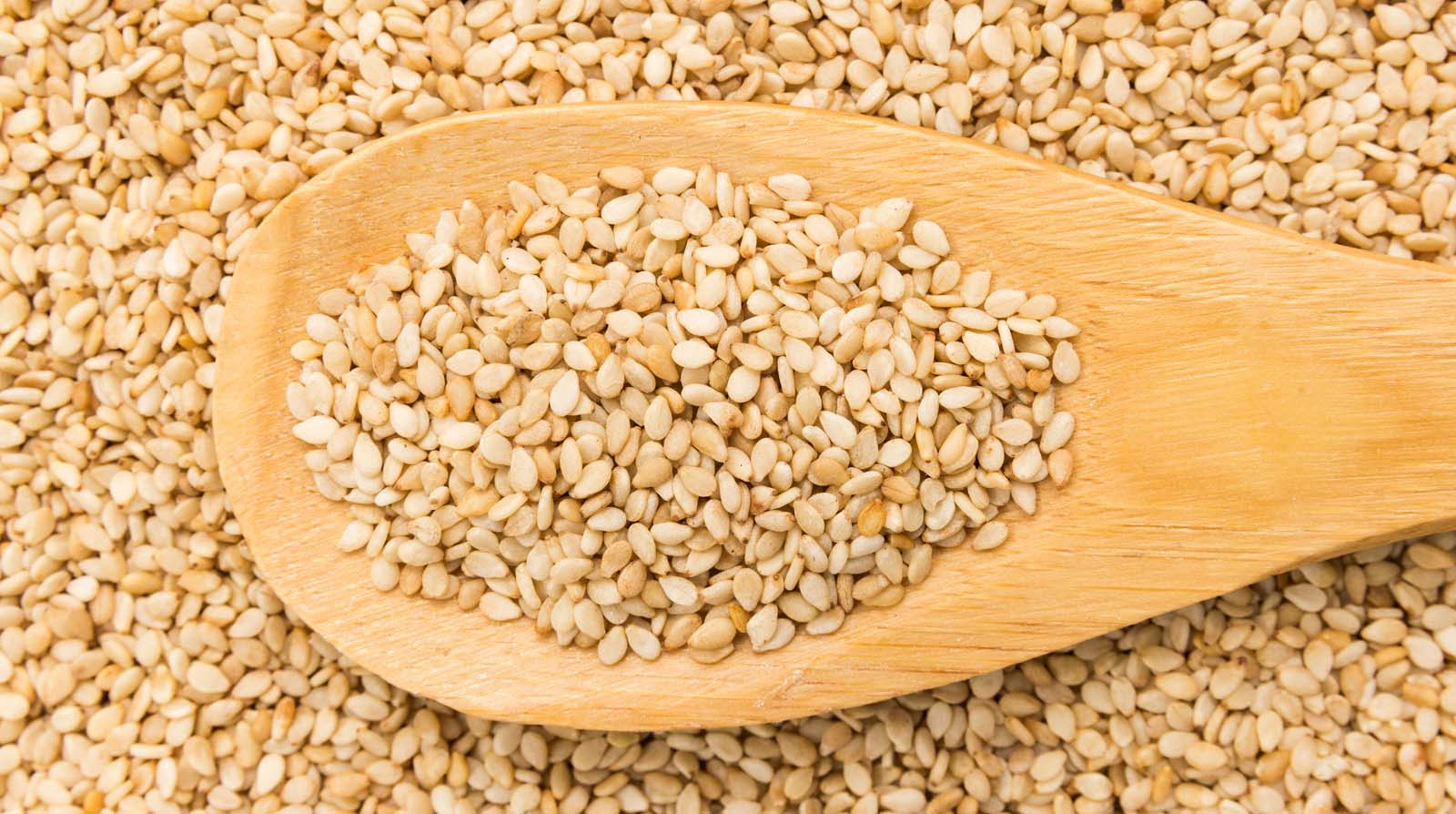
George Maponga
Masvingo Bureau
NEARLY 10 000 farmers in Masvingo Province have shifted to full-time sesame production in a development that is transforming rural livelihoods and driving economic growth.
The farmers, drawn mainly from the arid districts of Mwenezi and Chiredzi, are receiving support from the Japanese Government and local non-governmental organisation Sustainable Agriculture Technology (SAT) to scale up sesame farming.
The shift was made possible through a US$5 million grant from Japan, aimed at promoting climate-smart agriculture across five rural districts in Zimbabwe to cushion vulnerable communities against the effects of climate change.
As part of the initiative, a modern multi-service centre has been established at Rutenga Growth Point in Mwenezi.
The facility houses a sesame processing and value-addition plant, enabling farmers to export high-quality sesame to Japan and earn lucrative returns.
The multi-service centre was built through a partnership involving the Zimbabwean and Japanese governments, SAT, Mwenezi Rural District Council and local farmers.
Masvingo Minister of State for Provincial Affairs and Devolution, Ezra Chadzamira, described the pivot to sesame as a “game-changer” for the province.
He said the development aligns with the Second Republic’s mantra of leaving no one and no place behind in the march towards Vision 2030.
“The expanding production of sesame by our farmers is a boon for our provincial gross domestic product, which is anchored on agriculture. We are targeting a provincial GDP of US$8 billion by 2030, and that target is achievable if we continue to ramp up agricultural output and value addition,” said Minister Chadzamira.
He added that the processing plant at Rutenga dovetails with the Government’s rural industrialisation agenda.
Minister Chadzamira also praised Japan and SAT for partnering with Zimbabwe to curb smuggling of sesame into Mozambique, where unscrupulous dealers had previously exploited local farmers.
Sesame production is expected to continue rising, with SAT projecting to process 400 tonnes of the crop this year.
Statistics show that only 21 tonnes were processed in the 2022/23 season, rising sharply to 250 tonnes last season.
Sesame is increasingly being hailed as a “game-changer” for rural households in dry regions like Mwenezi, as it thrives under low rainfall due to its drought tolerance.
To boost production, the Infrastructure Development Bank of Zimbabwe (IDBZ) this year availed US$430 000 to buy sesame from farmers to feed the Rutenga value-addition plant.
Mwenezi and Chiredzi, among the driest districts in Masvingo, have long been the focus of government and development partners’ campaigns encouraging farmers to shift to drought-tolerant crops such as small grains.