admin
admin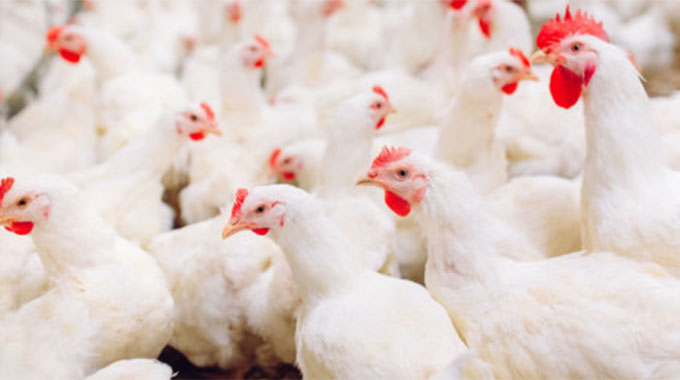
Industry stakeholders are calling on SA’s government to take emergency steps to mitigate the impact of an avian flu pandemic in case it spreads to Brazil – a key supplier of poultry to SA – which could in turn spark a rise in food prices and further strain consumers’ pockets.
This comes as the Western Cape Veterinary Services warned poultry farmers on Wednesday that avian influenza has been detected on two commercial layer farms in the Paardeberg area. Approximately 120 000 birds have died or have been destroyed.
The exact strain involved is still unknown and is being investigated.
Should SA face a serious outbreak of avian flu, it could have significant implications for the country’s food security. Meanwhile Brazil is SA’s biggest source of imported poultry, accounting for just over half of imports.
To date, Brazil has remained free of infection.
But Fred Hume, managing director of import company Hume International, believes it’s not a matter of if, but when the outbreak spreads, which could lead to “dire consequences” for SA’s poultry supply.
Hume International imported about 60 000 tonnes of poultry last year, with SA importing about three times as much poultry as it exported in terms of nominal value.
Hume is calling for the SA government to change its protocols to allow the local heat treatment of imported poultry.
“SA needs to urgently agree on a heat treatment protocol for mechanically deboned meat (MDM) in case of a bird flu outbreak – such as the protocol currently in place for pork sourced from approved markets abroad,” Hume says. – Al Jazeera
“In general, MDM is already subjected to heat treatment to reduce the risk of microbial contamination. The process typically involves cooking meat at high temperatures for a specific time. Such a protocol could simultaneously safeguard MDM supply chains while putting consumers at ease.”
Hume also wants the government to consider implementing regional rather than countrywide bans where possible, and to reinstate import permits faster. In the case of the US, for example, SA typically only bans imports from individually impacted states.
“Once a country has been declared bird flu-free, DALRRD [the Department of Agriculture, Land Reform and Rural Development] must be more proactive than they have in the past in reinstating import permits for that particular country. In some cases, bans have remained on countries for years after they have been declared bird flu-free,” says Hume.
Hume is not alone in calling for reforms. Agriculture economist Dr Johnny van der Merwe of agriculture trends forecaster AMT recommends putting measures in place to deal with an emergency – though he doesn’t believe allowing heat treatment in SA of imported MDM meat is necessarily the answer.



 Online Reporter