

 Londile Moyo
Zimpapers Writer
In Ward 17 of Bulawayo which covers Pumula and surrounding areas, survival has long meant making difficult choices—between food and school fees, between sending a child to class or keeping them at home.
However, some of those choices are becoming less painful.
A growing number of families in the suburb are witnessing a quiet shift, as community-driven efforts begin to ease the pressure on vulnerable households and restore hope for the next generation.
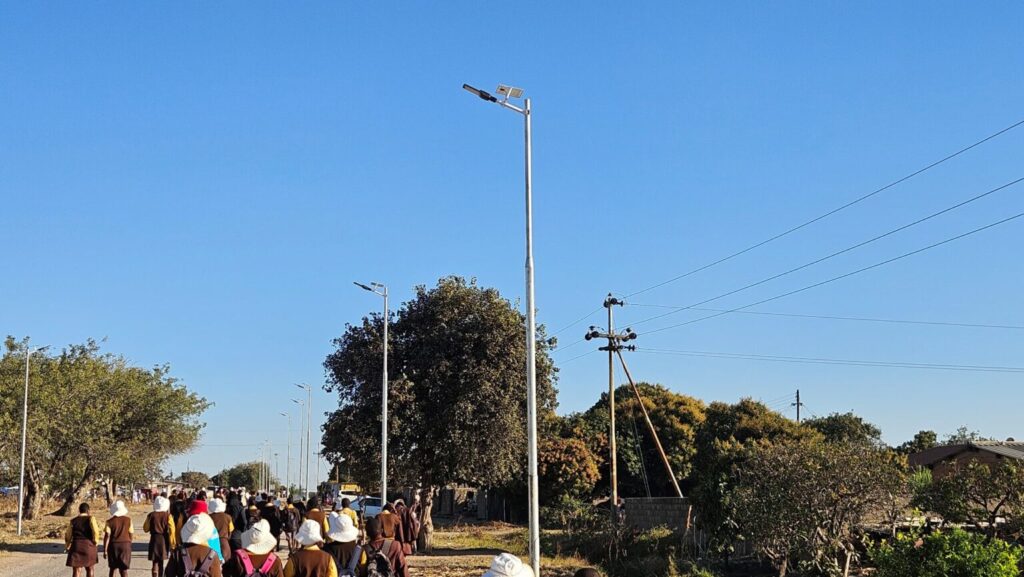
For 26 underprivileged children enrolled in local primary and secondary schools that include Robert Sinyoka primary, Babambeni primary, Amaswazi primary, Amhlophe High, Hyde Park primary, Sizalendaba secondary, Pumula High, Malindela primary and St Peters primary, staying in class is no longer a daily uncertainty. Their school fees—and in some cases examination fees—are now covered under a support programme that has steadily expanded since its introduction in 2024.
Ward 17 Councillor, Sikhululekile Moyo, is on record saying the initiative is rooted in responding to the realities faced by residents.
“These are children who were at risk of dropping out of school. Infact some of them were already out of school. As a community, we had to come together and find ways to support them. We then approached Hualin Quarry Mine, who operate in the ward.
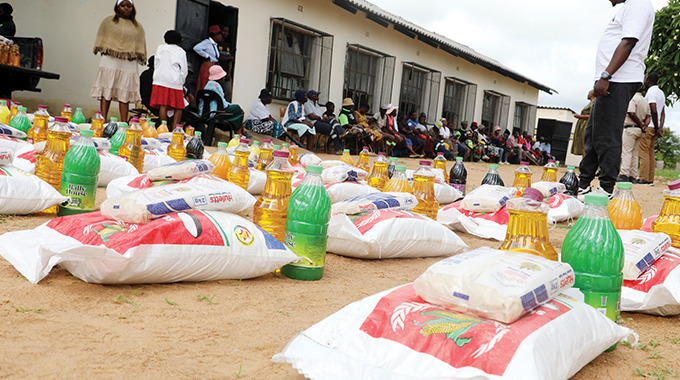
What is important is that the process is transparent and that those most in need are prioritised. The beneficiaries are identified by the schools. Hualin has also been giving out food hampers during Christmas to disabled and vulnerable community members.”
For guardians, the impact is deeply personal.
One mother, caring for three children, said the burden of school costs had become overwhelming before the intervention.
“There were times I had to keep my child at home because I simply could not afford the fees. Now, my child is learning without interruptions. That alone changes everything.”
The programme is coordinated through collaboration between community structures and local leadership. According to the Bulawayo United Progressive Residents Association (BUPRA) Ward 17 vice chairperson, Mrs Nothando Ndiweni, the initiative reflects what can be achieved when residents organise around shared challenges.
“We started with 18 children in 2024, and now the number has grown to 26.
“The beneficiaries are identified through schools to ensure fairness. This is about the community taking responsibility for its vulnerable members, with support coming in to strengthen those efforts.”
Beyond education, access to basic resources remains a pressing issue in many schools.
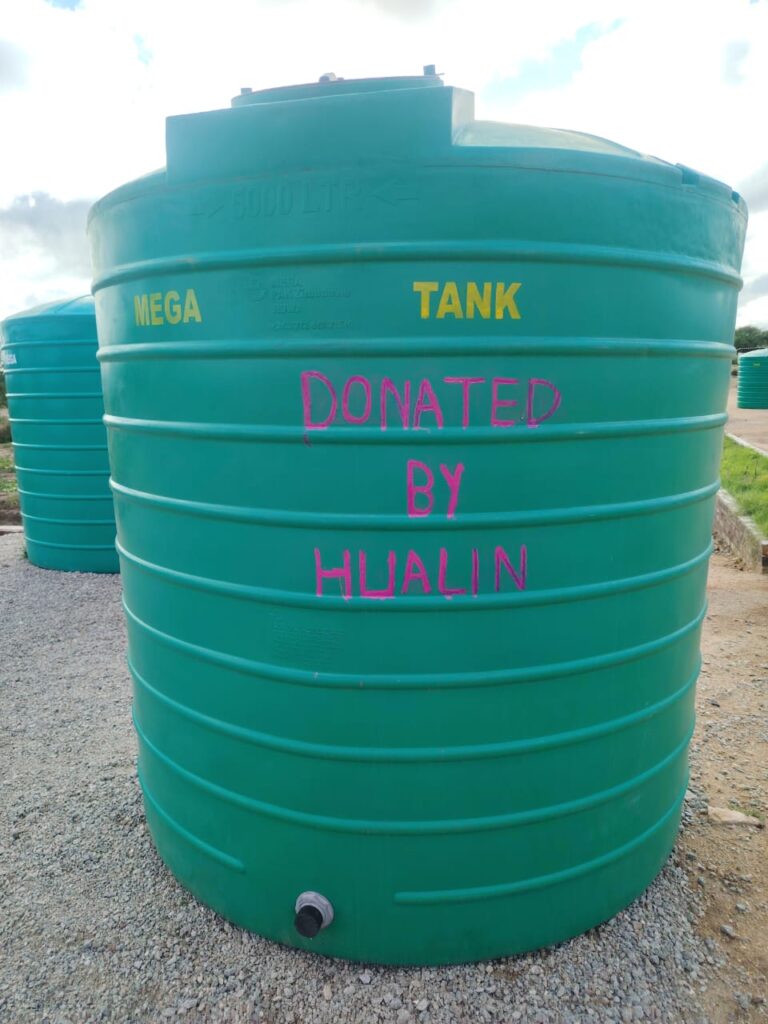
At Mazwi Secondary School in St Peters, and Methodist institution, newly installed JoJo water tanks are helping to address persistent water shortages—an issue that has disrupted learning in the past.
“For learners, something as simple as access to water makes a big difference. It improves the school environment and allows children to focus on their studies,” said Mrs Ndiweni.
Support has also reached vulnerable children outside the classroom. At Zimkids Orphanage, periodic grocery assistance has brought some stability to a home that depends largely on well-wishers.
Tinashe Basa, the director at the orphanage said consistent support, rather than one-off donations, has been key.
“When you know that food supplies will be there all the time, it allows you to plan better for the children. It brings a sense of security.”
While the assistance has been made possible through partnerships that include private sector players, community leaders insist the driving force remains local coordination and accountability.
Councillor Moyo emphasised that maintaining trust is central to the programme’s success.
“Everything is done openly, with community involvement at every stage. That is how we ensure sustainability and fairness.”
Different political parties in the Ward have also endorsed the initiatives done by the mine.
A representative from Hualin Quarry Mine, Mr Ayibongwe Moyo, said their role has been to support existing community efforts. A total of US$6,446 was paid this term.
“We are guided by the needs identified by the community,. Our focus is to contribute in areas like education, water access, road repairs and support for the disabled and vulnerable groups, working closely with local structures.”
But in Pumula, the story is less about who is giving—and more about what is changing.
Children are staying in school. Guardians are finding relief. Schools are becoming more functional.


 Online Reporter