Online Reporter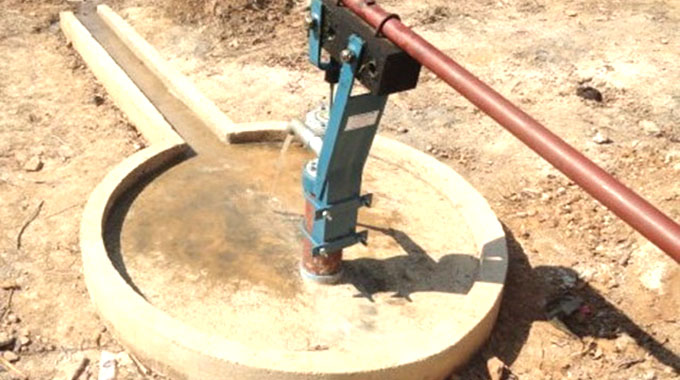
Yolanda Mlilo, Sunday News Reporter
BUBI District in Matabeleland North Province is famed for its mining activities which form its economic mainstay while part of it has timber.
The resources that come naturally make it attractive to the activities of gold panners and timber poachers but like any other part of the arid ecological regions of the country, livestock agriculture has traditionally been practised.
Little can be said of it being a successful crop agriculture district except in a few areas making much of it a basket case as far as the provision of food is concerned.
In a bid to bolster food security and support the communities so that they become less dependent on food aid, most of which comes with strings attached, the Government has embarked on an ambitious initiative in the district, drilling 17 boreholes to provide reliable water for irrigation purposes.
This strategic intervention is expected to significantly enhance agricultural productivity, improve nutrition and uplift the livelihoods of local communities aligning with the Government’s broader vision of achieving self-sufficiency in food production.
In an interview with Sunday News, the acting chief executive officer of Bubi Rural District Council, Mr Siqhubumthetho Dube thanked the Government for coming up with such a strategic scheme in the country’s rural areas.
“The provision of boreholes by the Government is a strategic initiative aimed at empowering communities by providing them with access to clean drinking water. This intervention is expected to have a ripple effect, positively impacting various aspects of community life,” said Mr Dube.
The Government’s borehole initiative is a crucial move in safeguarding public health by providing a safe and reliable water source so that communities will be shielded from the threat of water-related illnesses.
“Access to clean drinking water is essential for preventing water-borne diseases such as cholera, typhoid and dysentery. By providing boreholes, the Government is taking a proactive step in reducing the incidence of these diseases, which can have devastating consequences on community health,” he said.
“With access to clean water, community members will be able to engage in productive activities such as farming, gardening and small-scale entrepreneurship.
That will enable them to generate income, pay fees and meet other financial obligations thereby improving their overall economic well-being.”
He noted that the availability of clean water will also enable community members to grow a variety of crops, ensuring a balanced diet and improved food security.
This is particularly important in rural areas where access to nutritious food can be limited.
“By providing opportunities for community members to engage in productive activities, the Government is also addressing the root causes of crime. When people are occupied and able to generate income they are less likely to engage in criminal activities,” said Mr Dube.
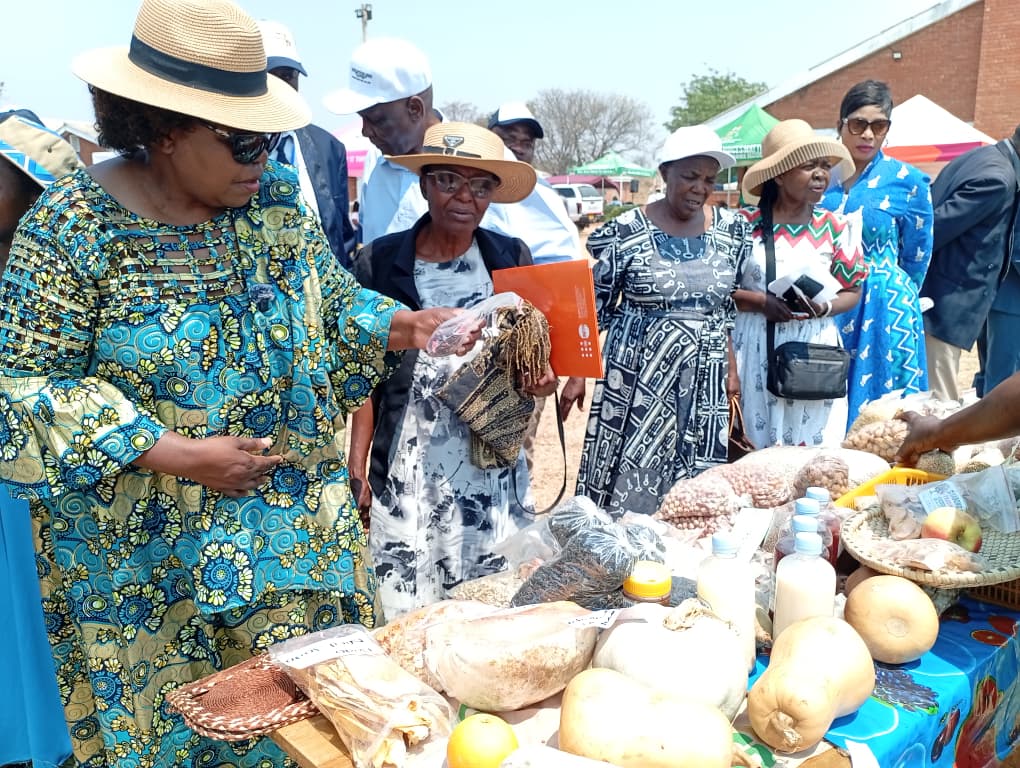
As the gardens flourish, community members will get fresh produce, creating opportunities to tap into local markets and earn extra income.
“As community members generate excess produce from their gardens, they will be able to sell these, generating income and stimulating local economic growth,” said Mr Dube. He added that in the event of another drought, community members will be able to rely on the boreholes to continue farming and accessing clean water.
“This will enable them to build resilience to climate-related shocks, ensuring that they are better equipped to cope with future droughts and other extreme weather events,” he said, adding that they further expect the damage caused to the environment through illegal mining activities to lessen as youths are expected to be active in village business units that will be formed around the drilled boreholes.
The Presidential Borehole Drilling and equipping scheme is a nationwide initiative aimed at addressing the persistent water challenges faced by communities in the country.
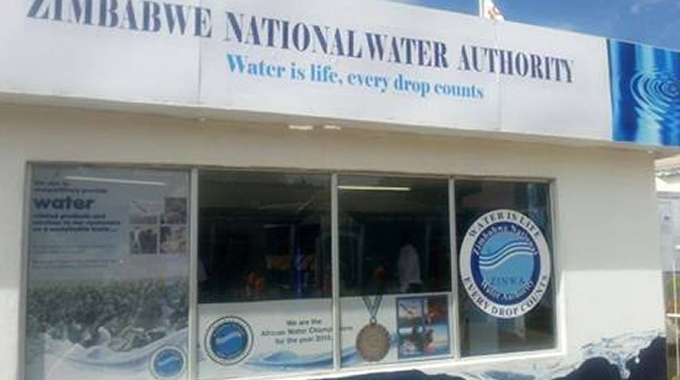
Managed by the Zimbabwe National Water Authority (Zinwa), the scheme seeks to drill and equip 35 000 boreholes across 35 000 villages in the country where 35 000 nutritional gardens will be set.
The project is the brainchild of President Mnangagwa and is expected to provide clean water for household use, livestock and irrigation purposes.
The scheme is part of the Presidential Rural Development Programme, which aims to improve the livelihoods of rural communities through various interventions, including the provision of clean water, sanitation and hygiene facilities.
The programme also seeks to promote rural industrialisation, food security and economic empowerment.
With the borehole drilling scheme, communities are expected to have access to clean water, reducing the risk of water-borne diseases and improving their overall health and well-being.