Online Reporter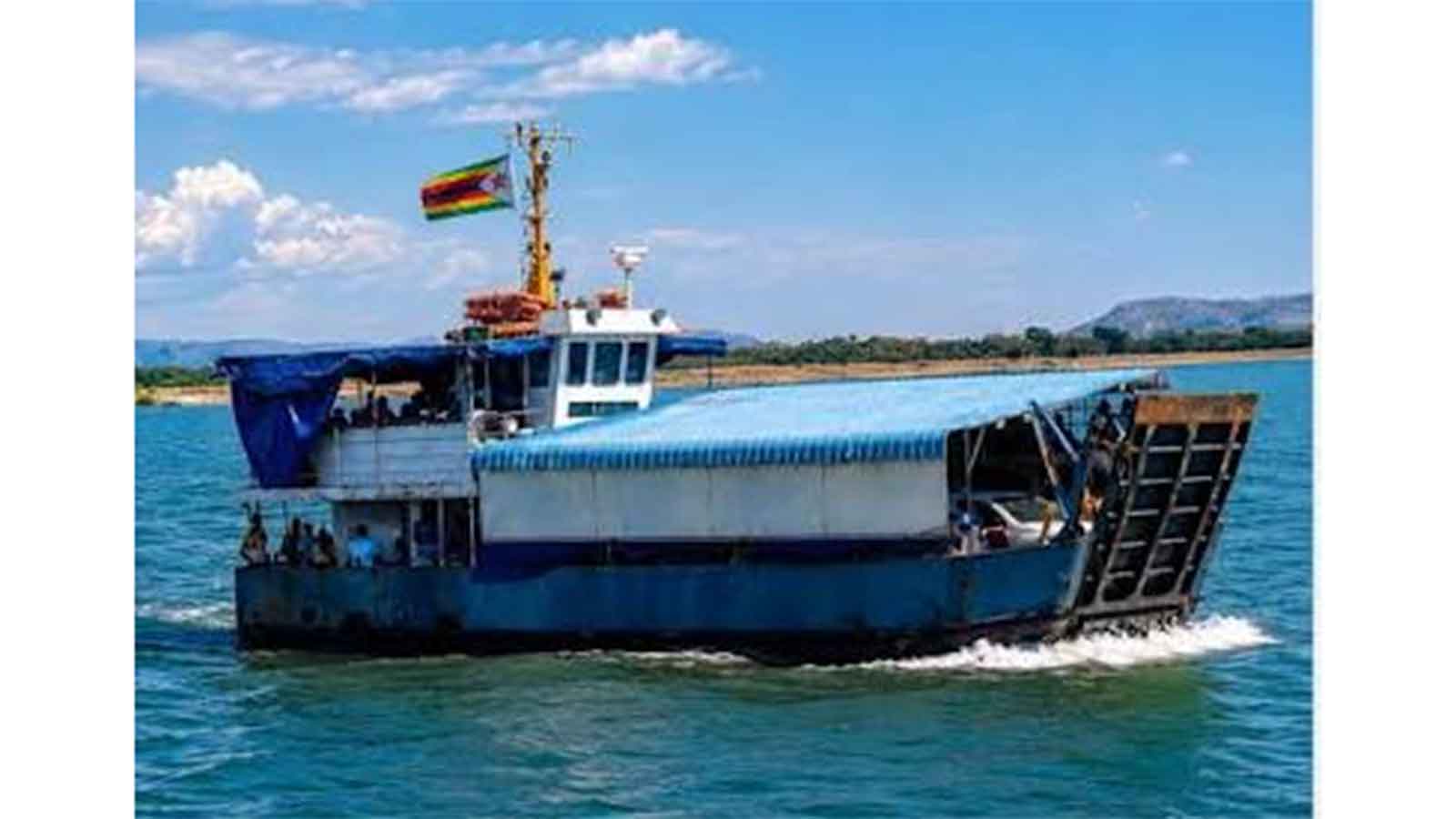
Mashudu Netsianda [email protected]
PRELIMINARY investigations into the Lake Kariba ferry disaster, which has claimed at least 94 lives, have revealed that the Rural Infrastructure Development Agency (RIDA)’s Mbuya Nehanda was carrying an estimated 180 passengers and assorted goods, apparently exceeding its carrying capacity when it capsized last week. Government has since launched a full-scale investigation into the tragedy.
The probe is expected to examine possible overloading, navigational decisions and compliance with weather advisories as authorities seek to establish the cause of one of Zimbabwe’s worst maritime disasters. The ferry capsized last Tuesday while carrying passengers and goods to remote fishing communities along the Lake Kariba-Chalala route.
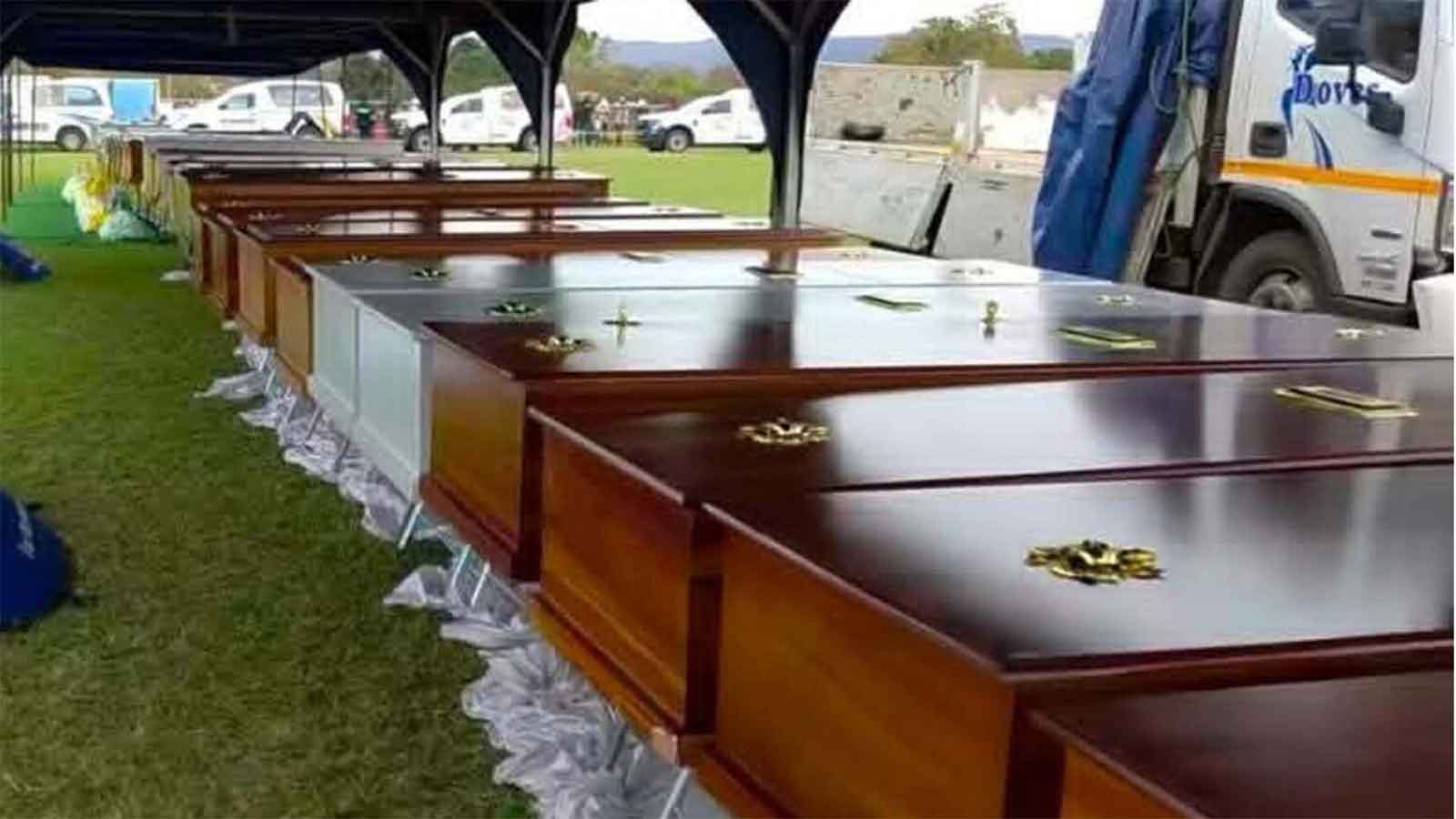
President Mnangagwa has since declared the incident a National Disaster, triggering the mobilisation of national resources to support search, rescue and recovery efforts.
As of yesterday, 94 bodies had been recovered and 77 passengers rescued, although authorities have warned that the death toll could rise as search teams continue combing the vast lake.
Addressing journalists during a post-Cabinet briefing in Harare yesterday, Minister of Women Affairs, Community, Small and Medium Enterprises Development Senator Monica Mutsvangwa said preliminary investigations had revealed that the ferry was carrying approximately 180 passengers and assorted goods, apparently exceeding its approved capacity.
“Cabinet received the Report on the Lake Kariba Passenger Ferry Disaster, which was presented by the Minister of Local Government and Public Works, Honourable Daniel Garwe, as Chairperson of the Cabinet Committee on Environment, Emergency Preparedness, Disaster Prevention and Management.
“The nation is advised that preliminary investigations indicate that the Rural Infrastructure Development Agency (RIDA)’s Mbuya Nehanda ferry, which capsized on Lake Kariba on 11 August, 2026, was ferrying about 180 passengers and goods, thus exceeding its carrying capacity,” she said.
The ferry reportedly overturned after encountering strong waves, but investigators are now expected to determine whether overloading, navigational decisions and compliance with safety regulations played a role in the disaster.
Particular attention is also being directed towards reports that the Meteorological Services Department had issued an alert advising lake users against sailing due to adverse weather conditions.
Minister Mutsvangwa said Government had initiated formal investigations covering both the physical condition of the vessel and adherence to operational requirements.
“Government notes that the Meteorological Services Department had issued an early warning advising all lake users against sailing. Meanwhile, Government has commenced formal investigations which include examining the structural remains of the vessel and probing operational and compliance issues,” she said.
The outcome of the investigation is expected to determine whether the disaster could have been avoided and whether existing safety regulations governing passenger transport on Lake Kariba were sufficiently enforced.
The tragedy has devastated communities that rely on the ferry as a critical and affordable transport link connecting remote settlements to the rest of the country.
Passengers on board included parents transporting children to their rural homes for the school holidays, traders travelling to fishing camps to restock goods and fish buyers sourcing produce for resale in other parts of Zimbabwe.
The vessel’s relatively low cost made it an essential mode of transport for many communities along the route, particularly those with limited access to alternative transport options.
Search and recovery operations remain ongoing, with teams from the Zimbabwe Republic Police Sub-Aqua Unit and the Zimbabwe National Army Boat Squadron working alongside the
Department of Civil Protection, local authorities and other stakeholders.
The operation has also received support from a privately owned helicopter provided by the Matusadona Conservation Trust.
Authorities have recovered bodies at locations far from the accident site, including around Long Island and King’s Camp, with some reportedly drifting towards the Zambian border.
Investigators are therefore still working to establish the exact number of people who were on board at the time of the accident, fuelling fears that the final death toll may be significantly higher.
“All Lake Kariba users are urged to remain vigilant and urgently report any floating objects. Further updates will be provided as the search and rescue operation continues,” said Minister Mutsvangwa.
The disaster has also intensified scrutiny of safety standards on Lake Kariba and questions around the enforcement of passenger and vessel regulations, particularly on routes serving isolated communities.
Meanwhile, Pope Leo XIV has conveyed his condolences to the families of the victims, saying he was “deeply saddened” by the tragedy.
In a telegram signed by Cardinal Secretary of State Pietro Parolin and issued yesterday, the Pope expressed his “heartfelt condolences” to those grieving the loss of family members and said he was entrusting the souls of the deceased “to the loving mercy of Almighty God”.
He also offered prayers for civil authorities and emergency personnel involved in the rescue and recovery operation.
“Upon all those affected,” the Pope said, he invoked divine blessings of “consolation, healing and strength”.
Lake Kariba, one of the world’s largest man-made reservoirs by volume, straddles the border between Zimbabwe and Zambia and serves as a vital transport, fishing and economic hub for communities living along its shores.
Created following the construction of the Kariba Dam on the Zambezi River between the late 1950s and early 1960s, the lake stretches for more than 200 kilometres and plays a critical role in fishing, tourism, power generation and transport.
Particular attention is also being directed towards reports that the Meteorological Services Department had issued an alert advising lake users against sailing due to adverse weather conditions.
Minister Mutsvangwa said Government had initiated formal investigations covering both the physical condition of the vessel and adherence to operational requirements.
“Government notes that the Meteorological Services Department had issued an early warning advising all lake users against sailing. Meanwhile, Government has commenced formal investigations which include examining the structural remains of the vessel and probing operational and compliance issues,” she said.
The outcome of the investigation is expected to determine whether the disaster could have been avoided and whether existing safety regulations governing passenger transport on Lake Kariba were sufficiently enforced.
The tragedy has devastated communities that rely on the ferry as a critical and affordable transport link connecting remote settlements to the rest of the country.
Passengers on board included parents transporting children to their rural homes for the school holidays, traders travelling to fishing camps to restock goods and fish buyers sourcing produce for resale in other parts of Zimbabwe.
The vessel’s relatively low cost made it an essential mode of transport for many communities along the route, particularly those with limited access to alternative transport options.
Search and recovery operations remain ongoing, with teams from the Zimbabwe Republic Police Sub-Aqua Unit and the Zimbabwe National Army Boat Squadron working alongside the
Department of Civil Protection, local authorities and other stakeholders.
The operation has also received support from a privately owned helicopter provided by the Matusadona Conservation Trust.
Authorities have recovered bodies at locations far from the accident site, including around Long Island and King’s Camp, with some reportedly drifting towards the Zambian border.
Investigators are therefore still working to establish the exact number of people who were on board at the time of the accident, fuelling fears that the final death toll may be significantly higher.
“All Lake Kariba users are urged to remain vigilant and urgently report any floating objects. Further updates will be provided as the search and rescue operation continues,” said Minister Mutsvangwa.
The disaster has also intensified scrutiny of safety standards on Lake Kariba and questions around the enforcement of passenger and vessel regulations, particularly on routes serving isolated communities.
Meanwhile, Pope Leo XIV has conveyed his condolences to the families of the victims, saying he was “deeply saddened” by the tragedy.
In a telegram signed by Cardinal Secretary of State Pietro Parolin and issued yesterday, the Pope expressed his “heartfelt condolences” to those grieving the loss of family members and said he was entrusting the souls of the deceased “to the loving mercy of Almighty God”.
He also offered prayers for civil authorities and emergency personnel involved in the rescue and recovery operation.
“Upon all those affected,” the Pope said, he invoked divine blessings of “consolation, healing and strength”.
Lake Kariba, one of the world’s largest man-made reservoirs by volume, straddles the border between Zimbabwe and Zambia and serves as a vital transport, fishing and economic hub for communities living along its shores.
Created following the construction of the Kariba Dam on the Zambezi River between the late 1950s and early 1960s, the lake stretches for more than 200 kilometres and plays a critical role in fishing, tourism, power generation and transport.