admin
adminFarming Matters Samuel Kadungure THE Osborne area – at whose heart is the gigantic Osborne Dam – is too dry for successful crop production without irrigation and the farmers who envisaged the construction of the dam in 1992 – the largest in Manicaland – as an aspirin to heal their agricultural and social ills have not tapped any benefit from this creation. The emphasis on water development as underlined by the construction of the dam was laudable given the potential role of irrigation for smallholder development particularly in the drought–prone communal areas situated in low–rainfall areas. While the seasons have drastically changed and are being characterised by limited and unreliable rainfall that is concentrated during a short rainy season with the remaining period tending to be relatively or absolutely dry – Osborne Dam has remained a hub of water with a full supply capacity of 401 620 mega litres. Currently the dam’s storage level is at 57,9 percent which transcends to 232 585mgl. The water is periodically released for the benefit of downstream commercial farming activities with major beneficiaries being sugarcane growers Macdom and Rating Investments. The local community has nothing to show for its proximity to the dam as drought-induced hunger is spreading like a cancer in the Gandanzara area. The 2014 /15 crop wilted in the scorching heat and never reached maturity. The remnant crop is of inferior quality and quantity. A combination of erratic rains, a severe mid-season dry spell and overworked infertile soils dealt the communal farmers both a debilitating and lethal blow. The area falls under geological Region Five and most farmers have resorted to the widely publicised drought-resistant crops such as round and groundnuts, rapoko and sorghum, but all have been written-off as a result of the prolonged dry spell. The communal area has recorded a zero harvest and needs a lasting solution to its predicament. “The situation is really bad. It is not encouraging at all. The whole of Gandanzara is vulnerable and has been neglected and marginalised for a very long time. It has become virtually impossible for farmers here to successfully grow crops without irrigation. You cannot expect rain-fed agriculture to yield anything under the circumstances,” said Member of National Assembly for Makoni South, which stretches to the area, Cde Mandi Chimene. The increased climate unpredictability and the effects of atmospheric temperature increases have significantly contributed to this shift, intensity and frequency of extreme drought. Why then, under the circumstances and despite highly variable and in many cases insufficient rainfall and a high incidence of droughts, does our food production remain entirely rain-fed? Why is irrigation not playing a significant role in our agriculture? “Why does our Government talk of irrigation development and at the same time our harvests continue being plagued by droughts of high proportion? Smallholder farmers around Osborne have suffered for a long time and its time Government addresses this bread and butter issue. The Minister of Agriculture, Mechanisation and Irrigation Development, Dr Joseph Made, said plans were afoot to develop an $198 million irrigation scheme covering 10 000 hectares. The establishment of the 10 000ha irrigation stretch fits squarely in the Government’s thrust, as enshrined in its economic blue print – the Zim-Asset – to achieve food security and surplus to feed downstream industries. For thousands of poor families, access to irrigation obviously makes the difference between hunger and a full belly, a well-nourished child and one stunted by malnutrition and a productive livelihood and one mired in poverty. Dr Made said engineers from China had already carried out assessments at Osborne Dam, with a view to construct a hydro-power plant and an irrigation scheme. The scheme is intended to cover land on either side of Mutare Road stretching from Odzi to Nyazura. “The water is just a stone throw, but look nothing has been harvested from the fields. They have nothing and most of them require food aid. The situation can only be corrected with the development of irrigation. “The major resource is water and we have it in abundance. “It is common knowledge to us all here that Gandanzara is drought prone. “Rains usually start late or end early, and cropping is often disrupted by catastrophic mid-season dry spells. This area is unsuitable for intensive crop production. It is therefore a fact that in these turbulent times with apparent climate variation and change, irrigated farming has a critical role in promotion of sustainable livelihoods and food security in the country,” said Cde Chimene. The introduction of irrigation around Osborne Dam will not compromise the availability of water downstream as the precious liquid can be drawn from Siya Dam (Bikita), Ruti Dam (Buhera), Mpudzi Dam, Odzani Dam, Small Bridge Dam, and Rusape Dam. “The Save Catchment has enough water for irrigation purposes. People may talk of drought as relates to the rain-fed agriculture, but as regards irrigation, the Save Catchment has enough water until the next rainy-season, which will start around September and October. The major source of water in Manicaland is Osborne Dam whose storage level as of this week is 232 585 mega litres (57,9 percent). The dams operate as a system, and if we had challenges at Osborne, we would have released water from other dams such as Siya Dam (Bikita), Ruti Dam (Buhera), Mpudzi Dam, Odzani Dam, Small Bridge Dam, and Rusape Dam – which will supply water downstream for irrigation purposes,” said Zinwa hydrologist, Mr Maxwell Munyai. Headman Gandanzara said, though insignificant, the only benefit that the dam has brought to his subjects was fishing. “The people are more of fishers than farmers. It is our wish to have irrigation in this area. Can you imagine that all the water you see in Osborne Dam benefits commercial farming activities in Chisumbanje as well as diamond mining companies at Chiadzwa while some of us who are custodians of the resource have nothing to show for it? Is it fair? “Water from Osborne Dam should benefit those around it before being exported to those sugarcane growers in Chisumbanje. “Do you think Government does not know that this community is suffering in the midst of abundance? They know we want small holder irrigation schemes around here, and you go and ask them what they are doing about it. The people are entrapped in endemic poverty,” said Headman Gandanzara. Irrigation development around Osborne Dam should be considered the cornerstone for agricultural development as it has potential to boost productivity by at least 50 percent. Research has shown that productivity of irrigation water may be very high when supplied to a rain-fed crop in areas where rainfall is highly variable and long dry spells occur frequently. Relatively little irrigation water supplementing rainfall, applied at the right time may assure a yield, where crop failure or severe yield reduction would have resulted. Interestingly, once farmers are assured of a yield, they will to invest more resources in the crop, both in terms of capital and labour. The combined effect of availing supplementary irrigation may therefore be relatively high. Headman Gandanzara stressed that reliable irrigation would improve crop and livestock yields, makes multi-cropping possible, enables smallholders to cultivate high-value crops and provides year-round farm employment. “Smallholder irrigation plays a vital role in the sustenance of rural livelihoods and is the most dependable and only way resource-poor farmers can improve their livelihoods and ensure sustainable food security during dry periods. Smallholder irrigation development can be used as a key drought mitigation measure and as well as a vehicle for the long-term agricultural and macro-economic development,” said Headman Gandanzara. Zimbabwe has the capacity to irrigate 2 244 800 hectares, but despite this enormous irrigation development potential, only about 206 000ha is equipped, of which a paltry 150 000ha is currently irrigating. Since about 70 percent of our poor live in rural areas and mostly depend on rain-fed agriculture for their livelihood, irrigation development is the key to poverty eradication. A switch to irrigated agriculture could have huge implications for these smallholder farmers who can triple their food production by pumping their own water. This would introduce the stability they need to settle in one place, allowing them to earn a reliable income, feed their families and educate their children.


Online Reporter
- Manicapost
- June 2, 2026
- 6 views
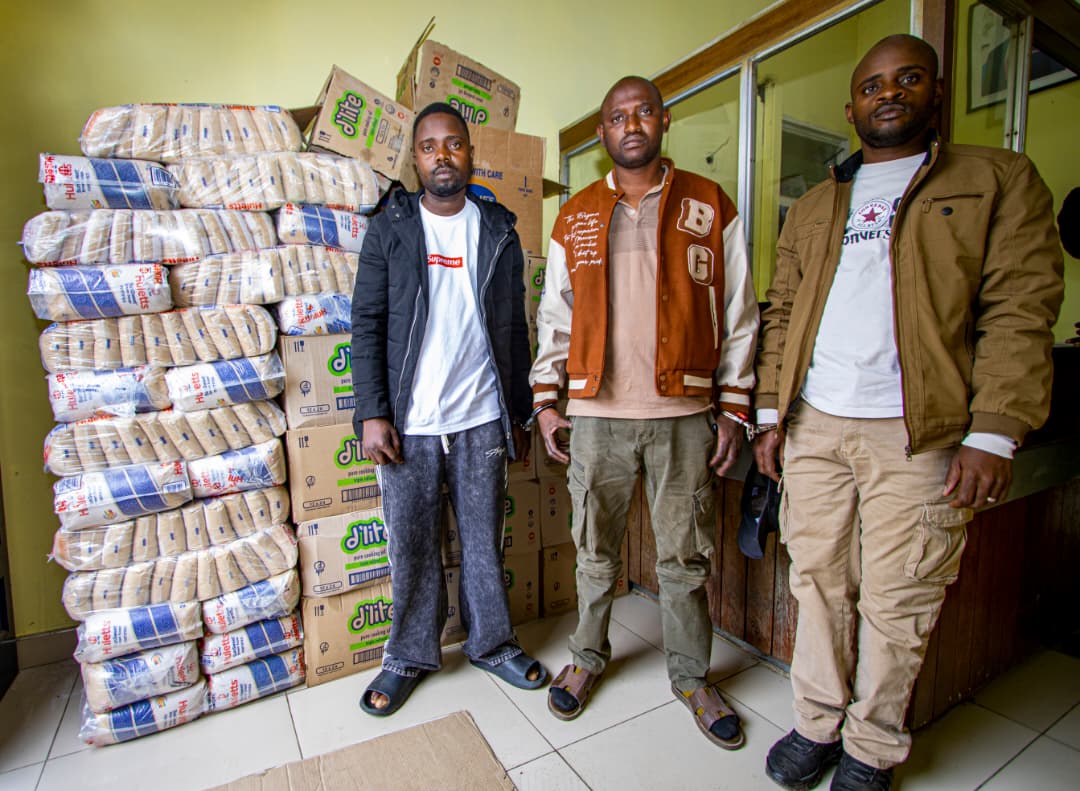
Trio arrested over US$12k grocery scam
Tendai Gukutikwa Post Reporter BUSTED! Three suspected fraudsters are in custody after allegedly tricking businesses into delivering groceries worth over US$12 500 without payment. Investigations led to the recovery of…