Chronicle Editor
Peter Matika and Mthabisi Tshuma, Chronicle Reporters
TWO Bulawayo schools, as well as public institutions have been equipped with Information Communication Technology (ICT) equipment as Government moves to digitise the country to ensure efficient service delivery by the year 2030.
The schools, Waterford Primary School and Emakhandeni Primary School each received 30 computers, printers, furniture and unlimited internet access.
The Reserve Bank of Zimbabwe in Bulawayo Backup Data Centre and Elangeni Public Service Commission Training Centre ICT Public Finance Management System (PFMS) Laboratory were also set up.
Minister of ICTs Postal and Courier Services Dr Jenfan Muswere accompanied by his deputy Cde Dingumuzi Phuti, and officials from the office of Bulawayo Provincial Affairs Minister as well as the Ministries of Primary and Secondary Education and Public Service, Labour and Social Welfare attended the event.
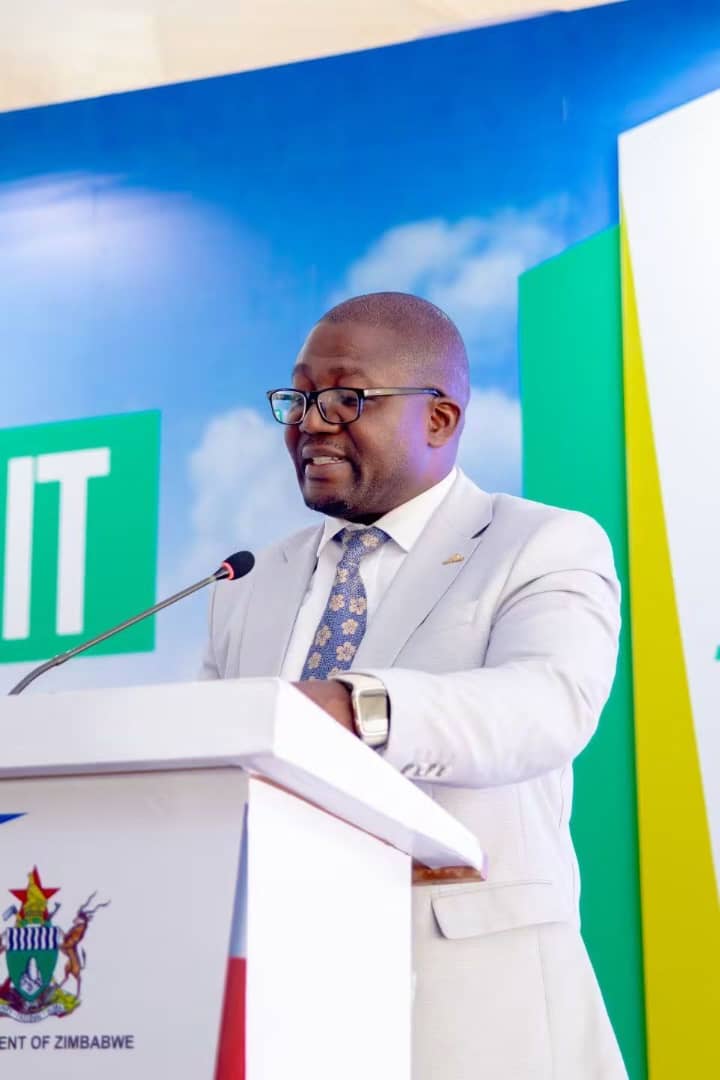
Addressing delegates after touring the schools, RBZ and Elangeni Training Centre, Minister Muswere said that it is high time the country scaled up on initiating facilities that will bridge the digital gap.
“As a ministry we believe we have a special obligation to make sure that all Zimbabweans, regardless of geographical location should access ICTs. It is this desire, the desire to see all of us succeed, that drives us as a ministry, as we roll out the different ICT access projects throughout the country.
“Indeed, our desire is for all Zimbabweans to be able to have access to the Internet and communication in general. If a student does not have Internet access, they will struggle to type their school papers or do online homework assignments, or learn basic computer skills, or try to get help from their teachers.
If a public servant does not have adequate ICT skills, they will have challenges utilising ICT equipment and in so doing give slow and poor service to the citizenry.
As we interface with modern ICT equipment, all our efforts will be in vain if we do not have a backup of our data. The solutions we have commissioned today will eradicate the challenges posed above,” said Minister Muswere. He said internet access and ICT training on its own was not enough.
“To truly bridge the digital divide, there is a need for locally relevant content and tools aimed at creating a platform for crowd-sourced content and educating communities on local content production by local creators.
“This is particularly important to state as we are here in Bulawayo, a city widely acknowledged as the cultural hub of our Zimbabwe,” said Minister Muswere.
His ministry would continue to follow the mandate initiated by President Mnangagwa to work on the SMART Zimbabwe 2030 Master Plan, which seeks to exploit the potential of ICTs so that Zimbabwe attains its vision of becoming an upper middle-income economy by 2030.
He said this vision is predicated on, among others, building on the achievements of the Zimbabwe National Policy on ICTs of 2016 to 2020 which further strengthens Zimbabwe’s economic base and improves its economic environment for accelerated growth towards achieving a Digital Government, a Digital Economy and a Digital Society by 2030.
The minister said the Masterplan, once fully rolled out, is expected to see the country achieving the Digital Economy aspirations of the National Development Strategy One (NDS1). He said it will completely transform government processes, services and management and make access to information and service delivery more efficient.
“Over and above all this, the master plan, together with the flagship projects to pilot its implementation, will steer the march towards the digital future that will transform the country into a regional technical hub, raise the country’s competitiveness and align the country in line with vision 2030’s digitalisation agenda.
“These aspirations of creating a digital economy can only be achieved if we first create a digitally literate population. Bulawayo province, make full use of the facilities we have commissioned here today to uplift your lives and to uplift our great Nation,” said Minister Muswere.


 Online Reporter