Online Reporter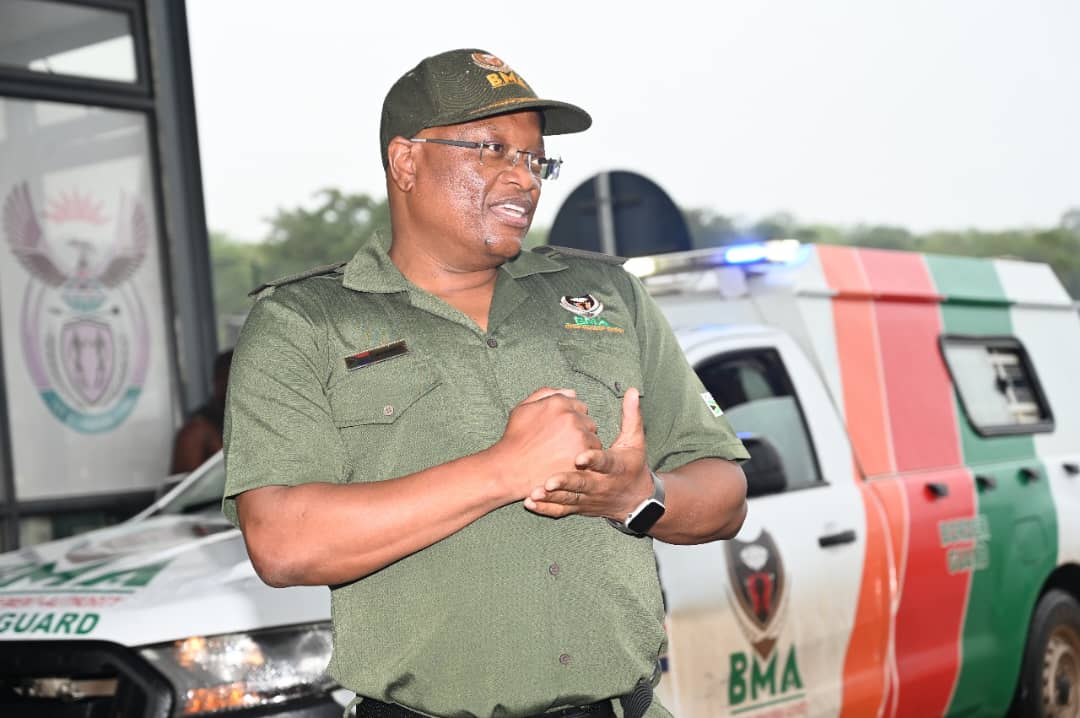
Thupeyo Muleya
Beitbridge Bureau
South Africa’s Border Management Authority, with the support of security forces, yesterday intercepted more than 20 minors near the Limpopo River in the vicinity of the Beitbridge border fence who were allegedly being smuggled into that country.
This is part of the crackdown by Zimbabwean and South African authorities against cases of illegal migration between the two countries.
In December alone, on the Zimbabwean side, the Department of Immigration’s Regional Compliance and Enforcement Unit arrested a total of 3 640 people for various offences relating to illegal activities.
In addition, a total of 27 travellers from Nigeria, South Africa, Democratic Republic of Congo, Zambia, Ghana, Egypt, Mozambique, Malawi, Burundi and Congo-Brazzaville were refused entry into the country for not having the right visas.
In the latest case, the BMA said the intercepted children were aged between five and 17 years and that among the group were 10 adults.
Preliminary verifications conducted by BMA officials confirmed that only one adult was the parent of one child, while the remaining minors were found to be travelling without parental supervision or lawful guardianship.
BMA Commissioner Dr Michael Masiapato said the interception has raised serious concerns regarding child protection, possible exploitation and non-compliance with immigration and child welfare legislation.
“All individuals have been placed under the care of the relevant authorities and processes are underway to ensure the safety, well-being and lawful handling of the minors in line with South African laws and international child protection protocols,” he said.
“The BMA is working closely with police, the Department of Social Development and other relevant stakeholders to verify identities, establish the circumstances surrounding the movement of the children and determine appropriate interventions.
“The protection of vulnerable persons, particularly children, remains a priority for the BMA. We will continue to intensify joint operations with our security cluster partners to prevent exploitation and safeguard the integrity of our borders”.



 leeroy