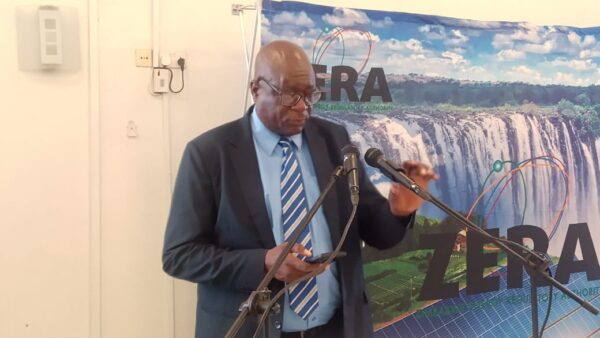
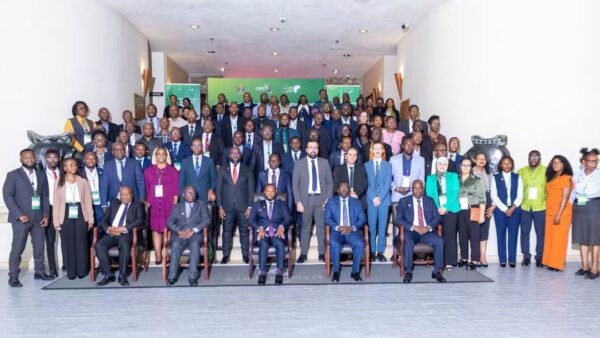
Refreshing afternoon, Zimbabwe!
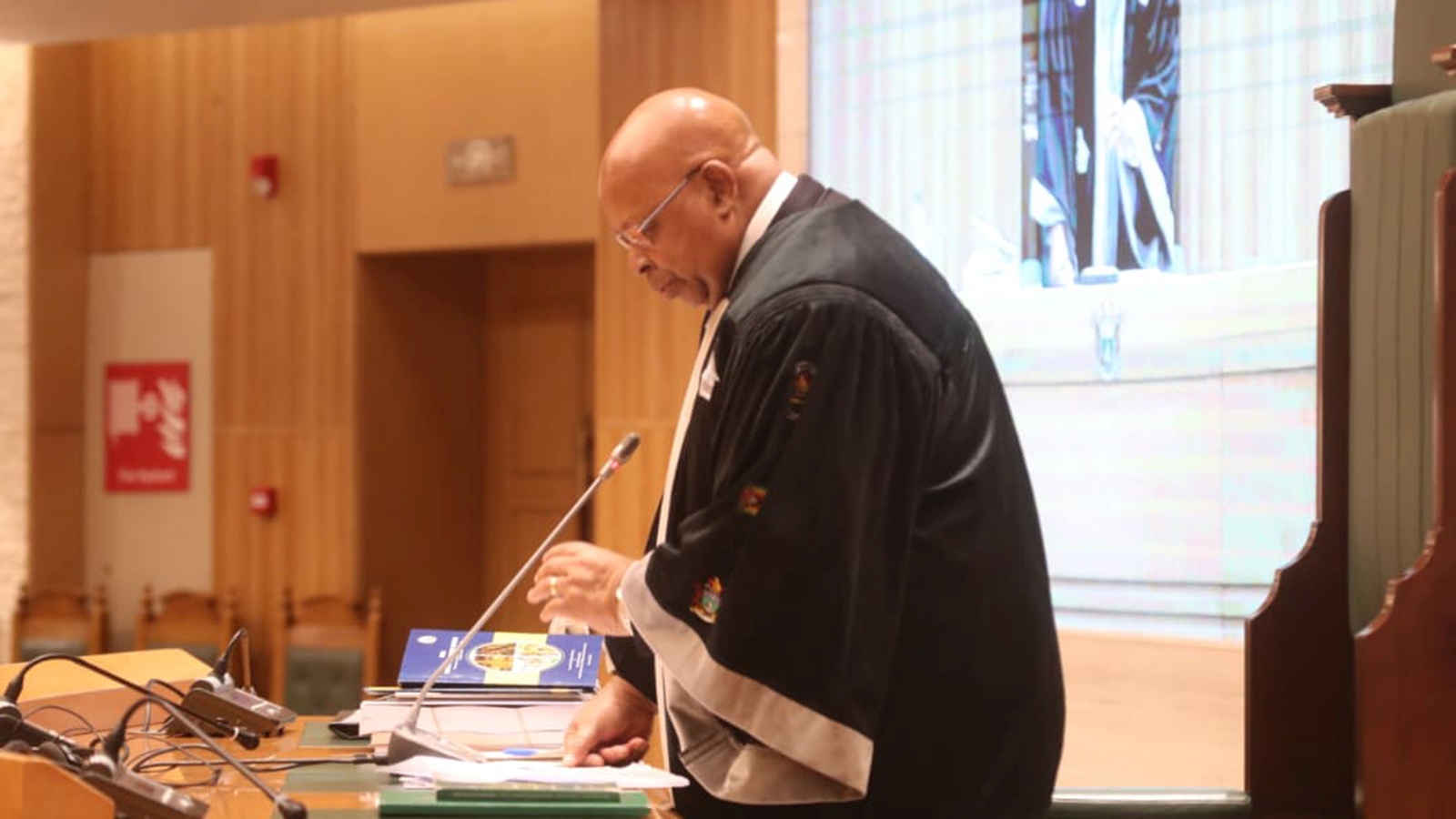
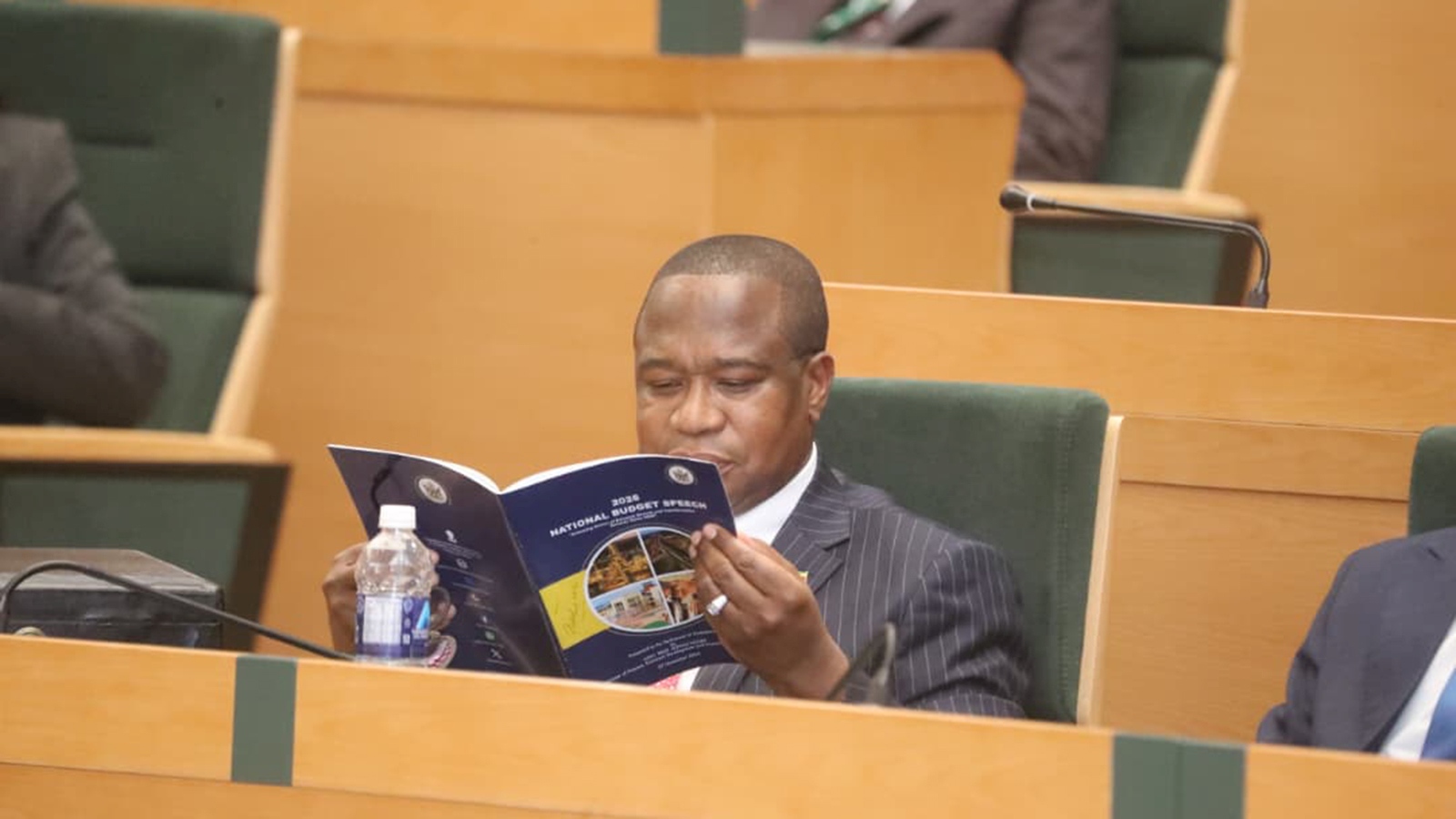
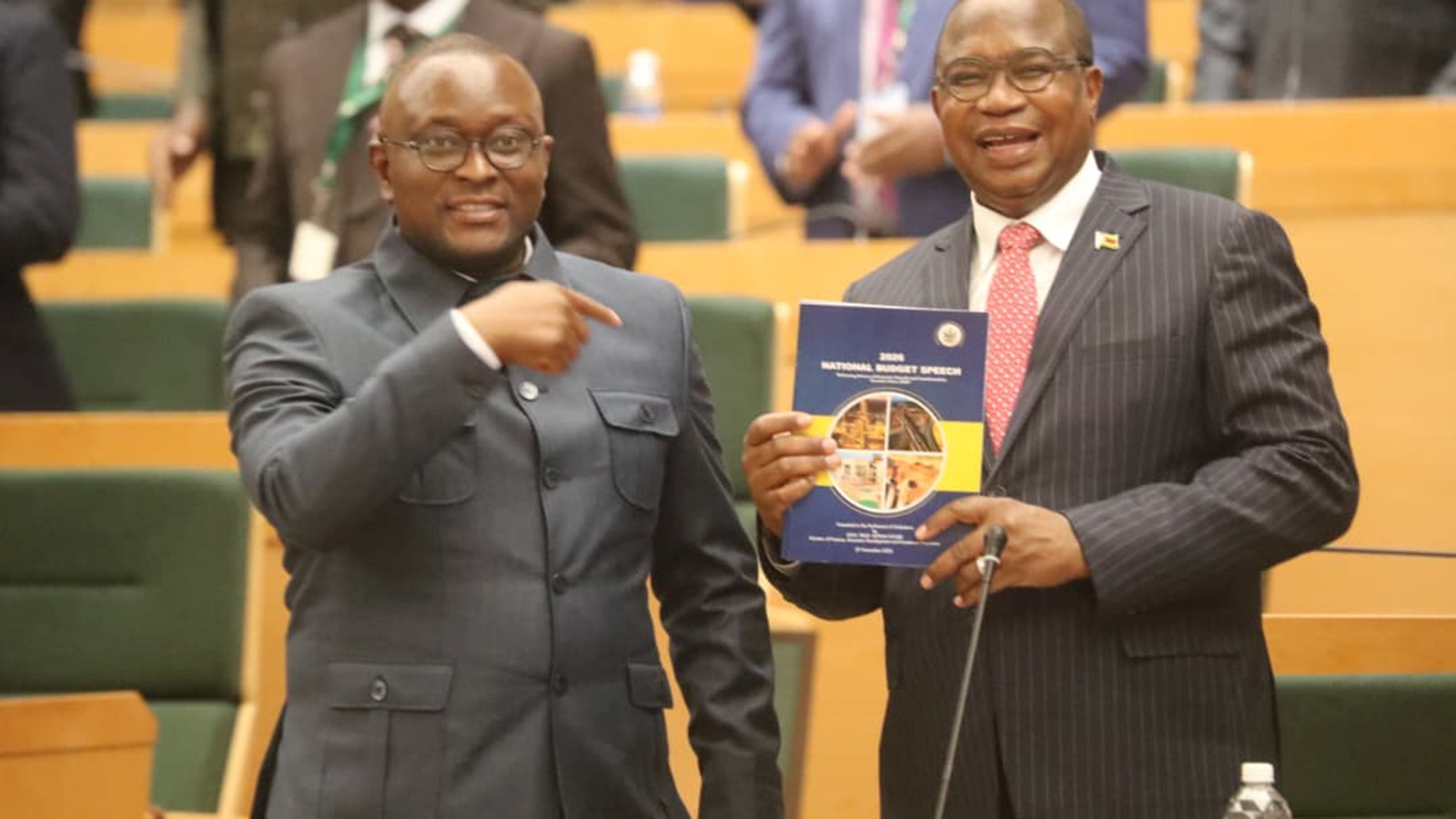
Our team is now at the New Parliament Building in Mt Hampden, where Finance, Economic Development, and Investment Promotion Minister Professor Mthuli Ncube is set to present the 2026 National Budget.
The presentation will be delivered from the ultra-modern legislative complex, which is another milestone in the Second Republic’s ongoing infrastructural development.
Prof Ncube is expected to highlight progress made in revenue mobilisation, ongoing efforts to re-engage international partners, and the continued drive towards a more transparent, technology-driven public finance management system.
Once tabled, the budget will immediately be referred to Parliament’s Portfolio Committees for scrutiny, with public consultations set to follow in line with the country’s constitutional requirements.
The 2026 fiscal plan will lay the groundwork for NDS2, which has just been launched by President Mnangagwa, as the nation continues working towards attaining an upper-middle-income economy.
All eyes on Mthuli
Finance, Economic Development and Investment Promotion Minister, Professor Mthuli Ncube has arrived at the New Parliament Building to deliver the highly anticipated 2026 National Budget.
This presentation comes at a pivotal moment in the nation’s economic trajectory, as NDS2 has just been launched.
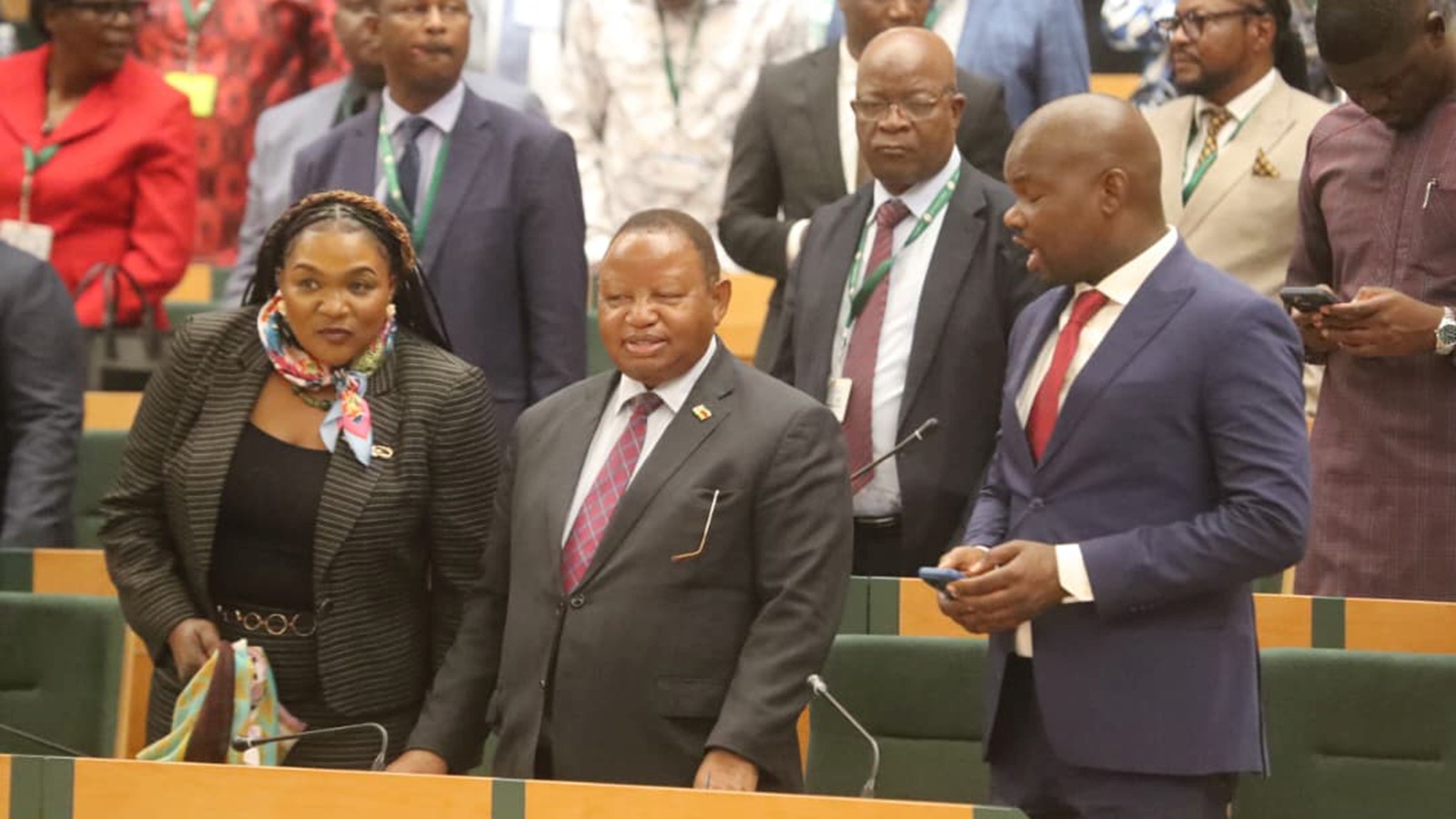
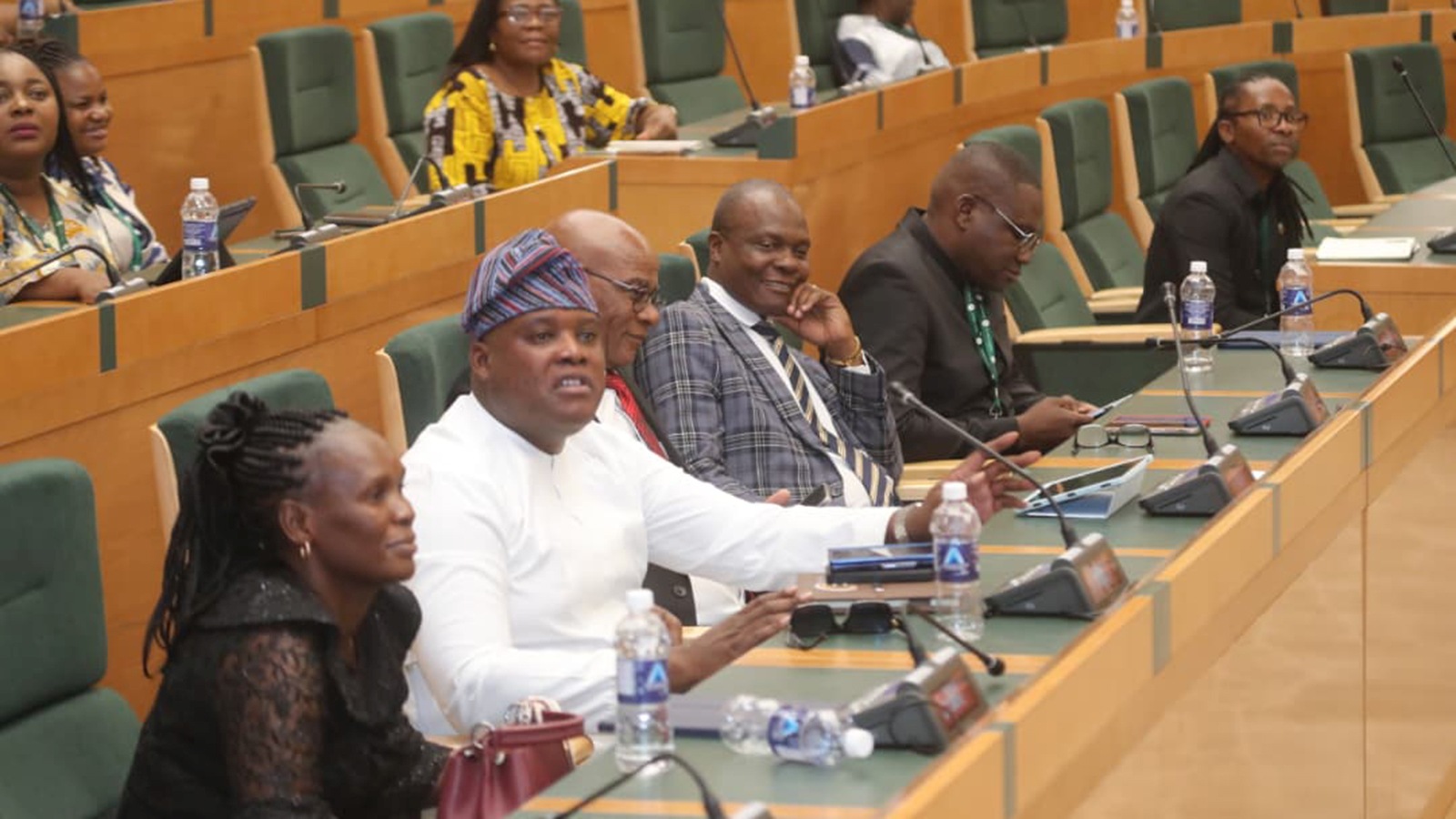
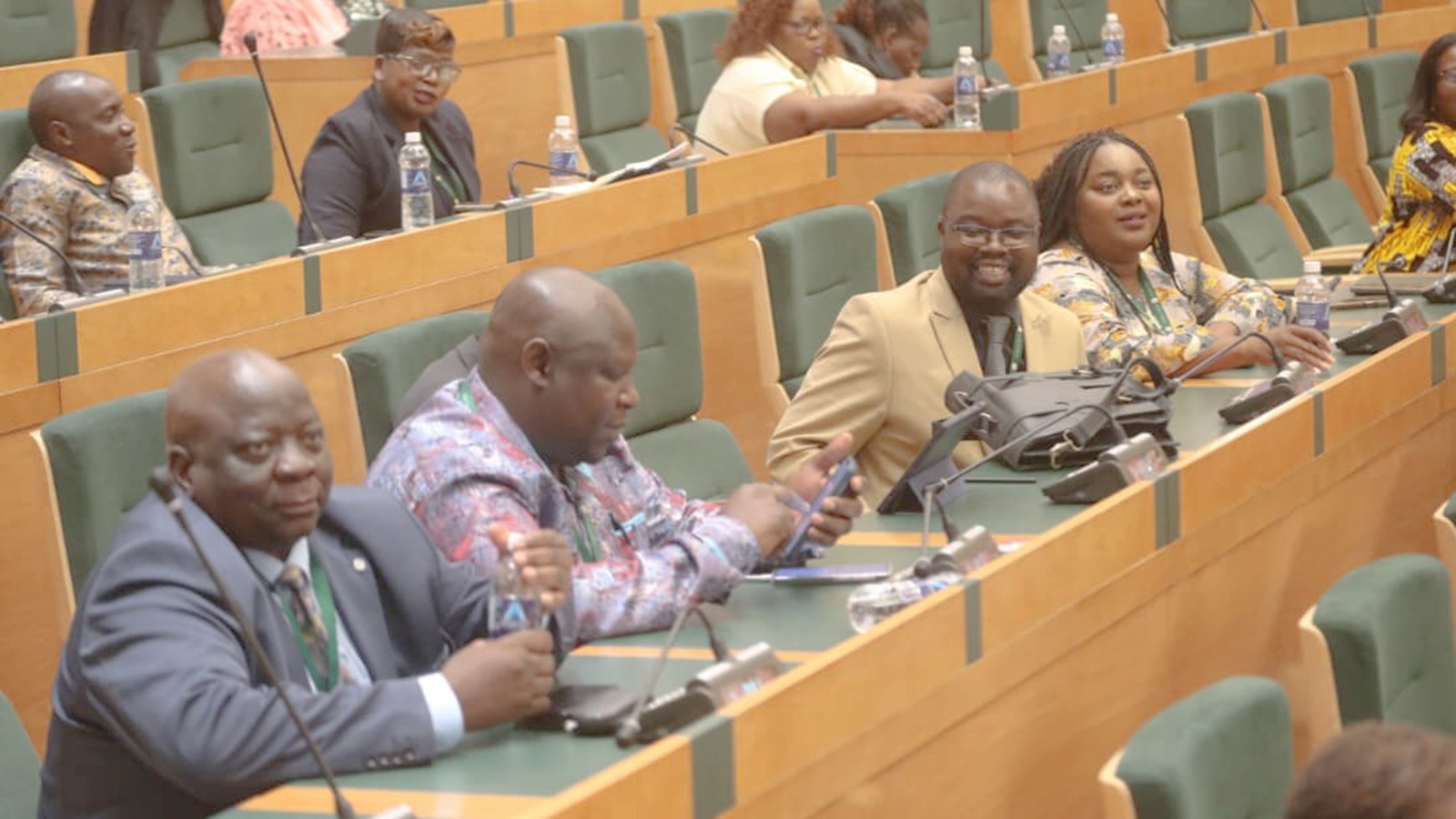
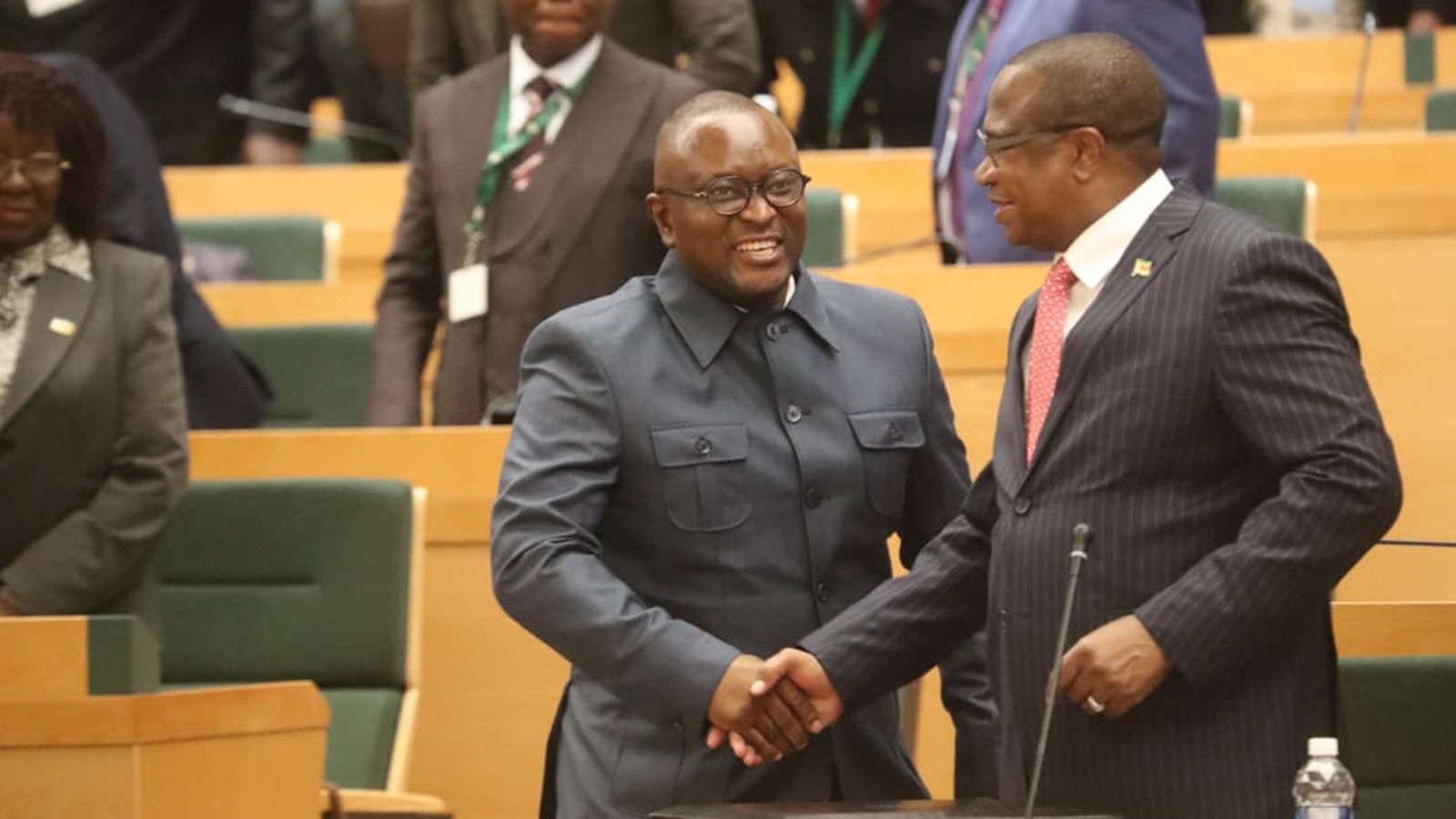
As legislators, Cabinet Ministers and captains of industry gather, all eyes are on Prof Ncube, who is expected to outline the Government’s spending priorities, revenue measures and economic targets for 2026.

Top officials converge for budget presentation
Vice President Dr Constantino Chiwenga has arrived at the New Parliament Building in Mt Hampden ahead of the 2026 National Budget presentation.
Various Ministers and legislators are also in attendance, with expectations high that the fiscal plan will speak to ongoing currency and public sector reforms.


President Mnangagwa arrives
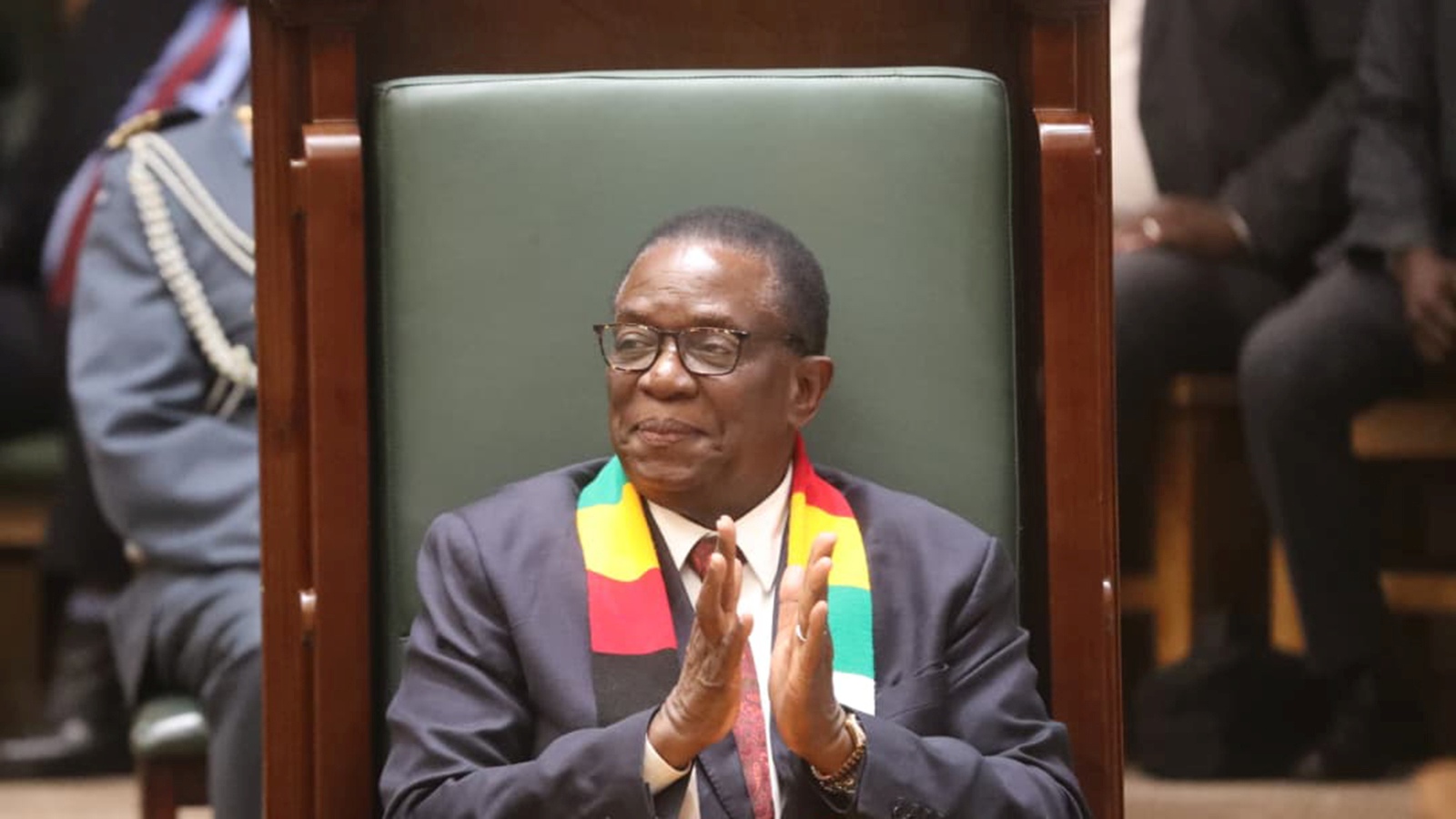
President Mnangagwa has just arrived at the New Parliament Building to oversee the presentation of the highly anticipated 2026 National Budget.
His presence underscores the importance of this event in shaping Zimbabwe’s economic future.

As the leader of the nation, President Mnangagwa is keenly aware of the expectations surrounding this budget, which aims to outline the Government’s spending priorities, revenue measures, and economic targets for 2026.
The budget presentation not only reflects the Government’s financial priorities but also serves as a critical indicator of its commitment to fostering economic growth and development.

Zimbabwe targets single-digit inflation and ROBUST REVENUE GROWTH
Minister Mthuli said the ease of doing business reforms will continue in order to improve the business environment.
He said inflation is expected at a single-digit level by the first quarter next year, resembling stability in currency.
The country’s current account is expected to be $1,4 billion in 2026, up from the $1,3 billion that was projected in 2025. This will be supported by strong export growth and diaspora inflows.
The Finance Minister said cumulative revenue collections to year-end are projected at ZiG215.7 billion (US$7.96 billion), against expenditures of ZiG219.46 billion (US$8.10 billion), resulting in a projected budget deficit of ZiG3.8 billion (US$140.1 million), which is -0.3 percent of gross domestic product (GDP).

On public debt, Prof Ncube said the country’s stock of Public and Publicly Guaranteed (PPG) debt was ZiG622.3 billion or 44.7 percent of GDP as at the end of September 2025.
He highlighted that in 2026, the Government is targeting to collect revenues amounting to ZiG288 billion,
The revenue envelope, coupled with the Government’s borrowing capacity, provides for an overall global expenditure amount of ZiG290 billion, which translates to 17 percent of GDP.
“The projected revenue collection and expenditure ceiling results in an almost balanced budget with a small deficit of ZiG3.2 billion.
He also highlighted that the country received development assistance amounting to US$386.1 million during the period January-September 2025, against an annual target of US$500 million.
In 2026, he said development assistance is projected at US$350 million, a 30 percent drop from the 2025 projection.
Youth empowerment, job creation, food security and manufacturing take centre stage
Minister Mthuli said in view of the manufacturing sector’s strategic role in driving structural transformation, Government set aside ZiG459.8 million for the Ministry of Industry and Commerce to support tooling and working capital requirements of the industry, as well as for the improvement of the policy environment.
In support of sustainable mining development in 2026, he said a total of ZiG789 million has been set aside for the Ministry of Mines and Mining Development to enhance its operations that serve to promote beneficiation.
In tourism, the Minister said a Budget allocation of ZiG339.4 million has been set aside to bolster the operations of the Ministry of Tourism and Hospitality Industry. He said this will cement Zimbabwe as a destination of choice.
Minister Ncube said the 2026 National Budget supports the strengthening of food security, climate resilience, and environmental protection as key to sustainable development.
He said the 2026 budget has set aside ZiG26.8 billion for the Ministry of Lands, Agriculture, Fisheries, Water, and Rural Development.
Minister Ncube said the Government is seized with the task of growing the job market to absorb new entrants, as well as creating conditions for youth enterprise development and innovation.
ZiG1.7 billion has been set aside for the Ministry of Youth Empowerment, Development and Vocational Training for youth empowerment programmes and the capitalisation of the EmpowerBank.
IMTT reduced to 1.5 percent
Professor Ncube has said consistent with the Government’s commitment to supporting business growth and maintaining fiscal stability, the Intermediated Money Transfer Tax (IMTT) on ZiG-denominated transactions has been reduced from 2 percent to 1.5 percent.
Prof Mthuli said this move will promote the usage of local currency and lower transaction costs.
To partially compensate for the revenue forgone through this reduction, Prof Ncube proposed to increase the Value Added Tax rate by 0.5 percent to 15.5 percent, effective 1 January 2026.
However, the IMTT on foreign currency transactions will remain at 2 percent.
The Finance Minister also designated the IMTT as a tax-deductible expense for purposes of Corporate Income Tax computation and also expanded the definition of Financial Institution for purposes of IMTT to include Microfinance Institutions.
Minister Ncube highlights revenue measures and local currency stability achievements
On revenue measures, Minister Mthuli Ncube stated that they seek to consolidate the gains achieved under NDS1 and lay the foundation for the transition to NDS2.
To ensure the mining sector contributes a fair share of revenue to the fiscus during periods of commodity price booms, as well as to eliminate arbitrage between categories of miners, Prof Ncube proposed to harmonize and review the royalty structure for all gold producers.
He also proposed to introduce a Digital Services Withholding Tax, in lieu of VAT on imported services, for payments made to offshore digital platforms, including e-hailing fees, online content charges, and satellite-based internet access fees.
“The tax will be withheld by paying agents, including financial institutions,” he said.
Minister Ncube noted that the year 2025 marks the end of the NDS1 implementation period, with indications that most of its targets were achieved.
He emphasised that a critical milestone achieved during the NDS1 period is the introduction of the local currency (ZiG) in April 2024, which has restored price and macroeconomic stability.
“This was achieved through concerted efforts by both the monetary and fiscal authorities, and it is very important to stay the course to sustain the stability, which is critical for the attainment of Vision 2030,” he said.
He added that this will be achieved if all stakeholders continue with a united purpose for economic transformation, “so that growth is shared through the creation of decent jobs with decent incomes, while also ensuring that vulnerable members of society are taken care of through transparent and credible social protection programme”.
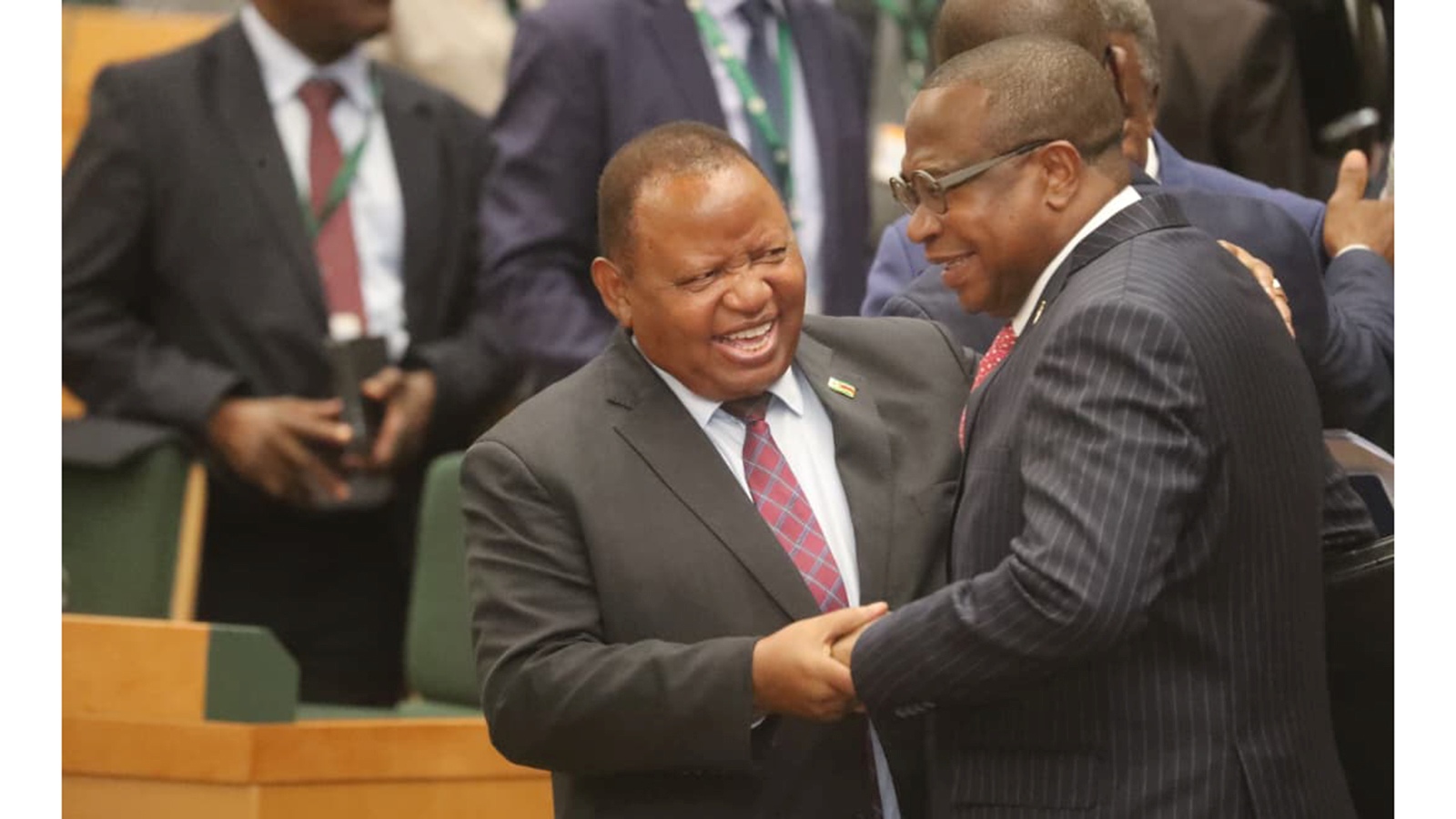
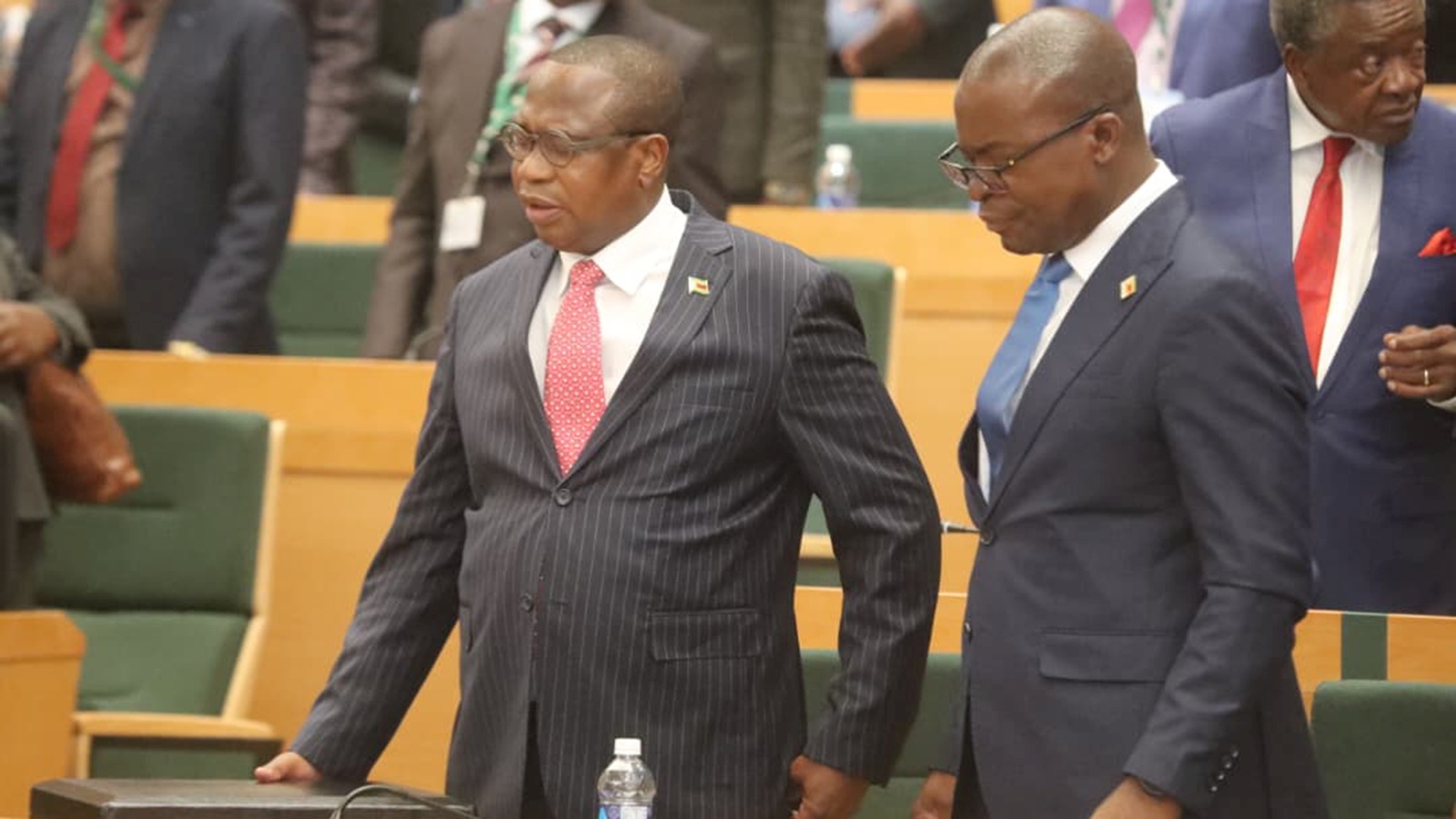
*KEY 2026 NATIONAL BUDGET REVENUE MEASURES*
*GOLD ROYALTY:*
Increased gold royalties to boost fiscus revenue.
*E-Commerce Tax:*
Digital Services Withholding Tax introduced on payments to offshore platforms.
*VAT Rate:*
VAT rate increases by 0.5% to 15.5% to compensate revenue loss from IMTT.
*IMTT:*
Local currency IMTT reduced by 0.5%
*24-HOUR ECONOMY:*
Tax breaks reward manufacturers operating for 24 hours.
*Gas Cylinder Inputs:*
Customs duty removed on raw materials for gas cylinder production.
*Gold Trading:*
Liberalising gold trade, allowing bars as investment assets.
Designation of IMTT as a tax-deductible expense for purposes of Corporate Income Tax computation.