admin
admin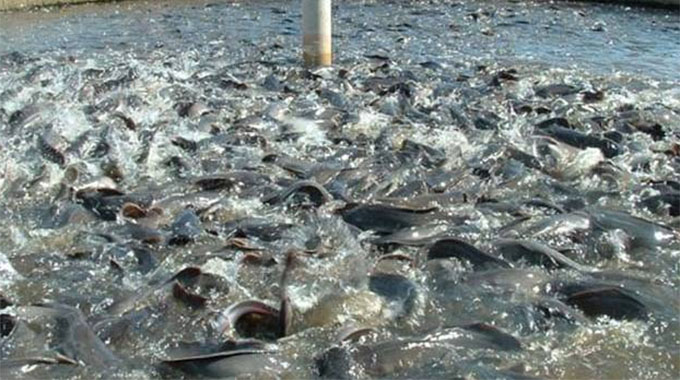
Theseus Shambare
Herald Correspondent
At least 21 000 youths nationwide will undergo basic fish farming training next month under a programme facilitated by the Fisheries and Aquaculture Resources Department (FARD) in partnership with the Zimbabwe Young Farmers Union Trust (ZYFT).
The effort seeks to mainstream youths in the agricultural sector.
Over the years, the Government has focused on developing the sector by expanding tilapia fish production through dam-stocking initiatives and the development of village-based and school fishponds under the Rural Development 8.0 programme.
FARD director, Mr Milton Makumbe, said with youths making over 60 percent of the national population, efforts had been made to make the sector more attractive to the younger generation.
“We have made the sector more attractive through engaging various development partners that have brought in technology along the value chain,” he said.
“Starting next month, the training programme will see 21 000 youths joining. We want to develop fisheries and aquaculture into a US$1 billion sector and it is imperative for us to encompass youth in this drive. The youths are the future and are key for the growth of the sector,” Mr Makumbe said.
The training will run for two weeks, with participants expected to get knowledge in good agronomic practices in fish farming as well as post-harvesting processes through to the market.
“After training, each participant will get a certificate and starter pack to kick-start the project. This includes free fingerlings.”
ZYFT president Mr Josephat Tanga said the youths were eager to participate in the economic plan, which aimed to transform communities through fish farming projects.
“Each of the 210 constituencies will have a ZYFT training centre where members will receive training and refresher courses. The Trust will also establish one fingerling hub per district, totalling 72 hubs nationwide.
“From the fish production-trained farmers, two per district (144 in total) youth farmers will be selected for further training on establishing breeding sites,” Mr Tanga said.
The fingerling hubs would remain the property of ZYFT, with quality fingerlings sold and distributed to local fish farmers, as well as youth business units, village business units and school business units at affordable prices to benefit the Presidential Community Fisheries Scheme.
ZYFT will also design a plough-back plan to benefit the local communities through the local authorities.
Annual fish production in Zimbabwe has risen steadily over the last few years from 15 000 tonnes to close to 20 000 tonnes. Zimbabwe requires about 30 000 tonnes of fish annually, making fish farming a viable business.
The Government plans to increase fish production to 40 000 tonnes by 2025.


 Online Reporter