Online Reporter
Thupeyo Muleya, Beitbridge Bureau
AT LEAST 22 000 rural households from Beitbridge District are set to get solar energy connections under the Presidential Rural Solarisation Project in the next six years.
The roll-out is expected to take off at the end of this month and seeks to provide solar power to at least 3 700 households annually in the district during the implementation period.
Cabinet recently approved the plan by the Government to roll out the project in 1,2 million households in all the eight rural provinces.
The initiative is expected to enhance energy access, improve living conditions, and promote sustainable development in rural communities.
This is part of the broader Rural Development 8.0 Strategy, with a goal to uplifting rural livelihoods, enhance agricultural productivity, and boost food security.
The Rural Infrastructural Development Agency (Rida) is overseeing the implementation of the project through an Inter-Ministerial Steering Committee comprising experts from local universities.

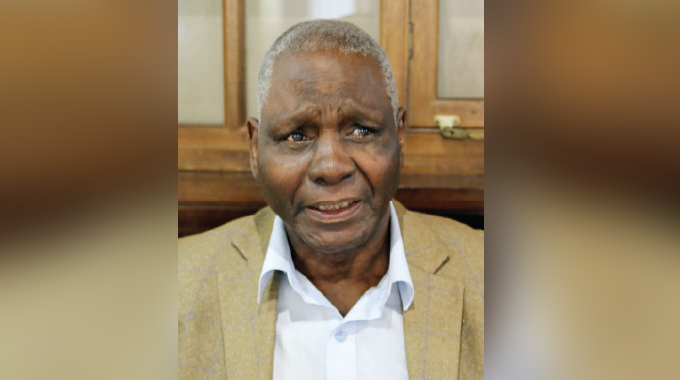
Rida coordinator for Beitbridge, Mr Tinashe Ngundu, told participants during an inception meeting on Tuesday that they have already covered a lot of ground in terms of logistics ahead of full implementation.
“We expect to launch the project at the end of March and we are currently holding inception and sensitisation meetings with the Rural District Development Committee members and line stakeholders with the help of the District Development Coordinator,” said Mr Ngundu.
He said the project will be financed by the Government, while other stakeholders will provide affordable advanced solar technologies.
This includes batteries, inverters, solar panels and cables to power gadgets such as light bulbs, radios, televisions, phone chargers, laptops, small refrigerators, submersible pumps for boreholes and Wireless Fidelity services (Wi-Fi).
“Under this initiative, local youths and women will be trained to participate in the installation programmes implemented in the villages.
“This will boost a lifelong skills transfer programme and help on the maintenance of the facilities by those trained by our members,” said Mr Ngundu.
“Traditional leaders, war veterans, vulnerable members of the community and ordinary villagers are set to benefit from this initiative in the six years of implementation.”
The project is one key interventions expected to boost domestic productivity and create employment opportunities and self-sustenance in rural communities.