Online Reporter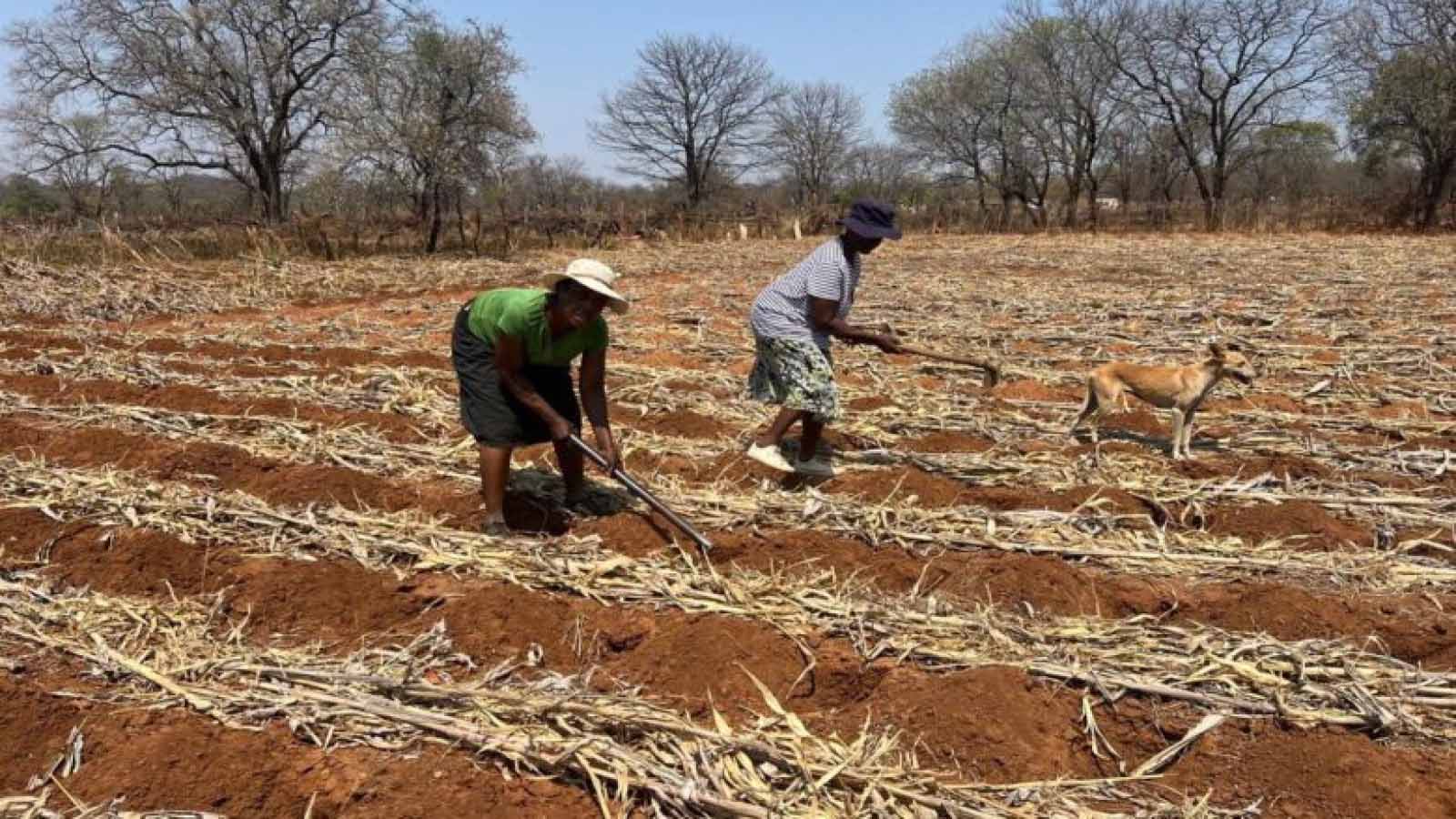
Nyasha Simbisai
Agriculture Correspondent
FARMERS have stepped up preparations for the 2026/27 summer cropping season, with more than 2,3 million Pfumvudza/Intwasa plots already prepared countrywide as the Government accelerates input mobilisation and distribution ahead of the rains.
The Government is targeting one million hectares under the Pfumvudza/Intwasa initiative.
The Pfumvudza/Intwasa programme has become a cornerstone of Zimbabwe’s national strategy because it safeguards food security against severe climate shocks by empowering millions of smallholder farmers.
According to the latest Agricultural Development Advisory Services (ADAS) weekly report dated September 28, the private sector is expected to support production for 250 000ha through commercial partnerships and farmer financing.
“Participating farmers will be geo-mapped and their production information digitally tracked, while strategic logistics hubs are planned to improve movement of inputs and produce.
“The Pfumvudza/Intwasa programme is scheduled for official launch in Chivi District, Masvingo, on October 9,” read the report.
Statistics from the ADAS report show that a total of 2 302 427 plots, equivalent to 143 671 hectares, had been prepared under the expanded five-plot Pfumvudza/Intwasa programme.
According to the report, Masvingo has prepared Pfumvudza/Intwasa plots, equivalent to 23 085ha, Mashonaland East 22 593ha, Matabeleland North 21 668ha, Mashonaland Central 21 135ha and Mashonaland West 25 675ha.
“Nationwide mulching campaigns are underway, with Chiefs leading Nhimbe initiatives to accelerate mulch collection and preparedness for the 2026/27 season. Community participation should be strengthened and supported.
“Liming is underway, but requires accelerated implementation, mobilisation and farmer uptake to improve soil conditions and support productivity,” read the report.
The ADAS weekly report also shows that the preparedness drive is being matched by movement of inputs under the Presidential Input Programme.
Top-dressing fertiliser deliveries have reached 26 604 tonnes, representing 88 percent of the 30 000-tonne target, while Compound D deliveries stand at 8 113 tonnes, constituting 24 percent of the targeted 30 000 tonnes.
Maize seed deliveries have reached 1 484 tonnes, representing 44 percent of the 3 000-tonne target, while sorghum seed deliveries stand at 528 tonnes against a 6 600-tonne target.
Sunflower seed deliveries have reached 468 tonnes, or 27 percent of requirements, while pearl millet seed deliveries stand at 31 tonnes.
The report states that while top-dressing fertiliser mobilisation is advanced, movement of basal fertiliser and some seed varieties should gather pace as the planting window approaches.
Crop chemicals are also reported to be adequately available, while farmers are being encouraged to complement conventional fertilisers with manure, compost and other organic fertilisers.
Farmer preparedness is being reinforced through extension support.
During the week under review, Farmer Field Schools conducted 5 310 field visits, 964 practical demonstrations and 1 771 group discussions, reaching 32 643 farmers.
Traditional leaders participated in Farmer Field School activities, highlighting their growing role in farmer mobilisation and dissemination of production messages.