admin
admin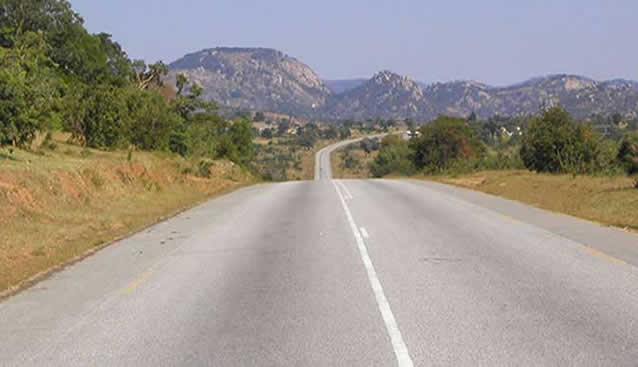
Peter Matambanadzo Senior Reporter
TWENTY-NINE local and international construction companies have expressed interest in rehabilitating 16 major roads in the country.
Government invited bidders for the rehabilitation of the roads, which have outlived their lifespan, last year. Secretary for Transport and Infrastructure Development Mr Munesushe Munodawafa confirmed the development on Tuesday saying the project was part of Government’s transport master plan.
“The road project is part of a transport masterplan of Zimbabwe. This plan includes these roads for purposes of economic development,” he said.
Mr Munodawafa said the project would be run under a Build-Operate-Transfer (BOT) arrangement.
“As Government we are excited about the interest the project has generated within the region and beyond. To date 29 companies have bought tender documents at US$1 000 each,” he said.
Mr Munodawafa said the US$1 000 was an administration fee that would cater for meetings with bidders set for January 31.
He said interested companies included those from South Africa and China. The roads to be rehabilitated and dualised include the Harare-Chirundu, Harare-Nyamapanda, Bulawayo-Victoria Falls and Bulawayo-Beitbridge highways. Also to be rehabilitated are Bulawayo-Nkayi, Bulawayo-Tsholotsho, Kwekwe-Nkayi-Lupane and Buchwa-Rutenga-Sango roads.
The Mberengwa-West Nickleson, Karoi-Binga-Dete, Golden Valley-Sanyati-Kuwirirana-Nembudziya, Harare-Bindura and the Murambinda-Birchenough Bridge roads would be widened.
Mr Munodawafa said Birchenough Bridge would be rehabilitated. He said the winning bidders would be encouraged to partner the Zimbabwe National Road Administration for the projects.
Mr Munodawafa said the roads would provide access to inaccessible areas and promote investment in agriculture,tourism and mining.
“We also believe that constructing and refurbishing these roads is a critical component towards fulfilling the Zimbabwe Agenda for Sustainable Socio-Economic Transformation,” he said.
He said Government was pursuing BOT arrangements as Treasury had limited resources.



 Online Reporter