Moffat Mungazi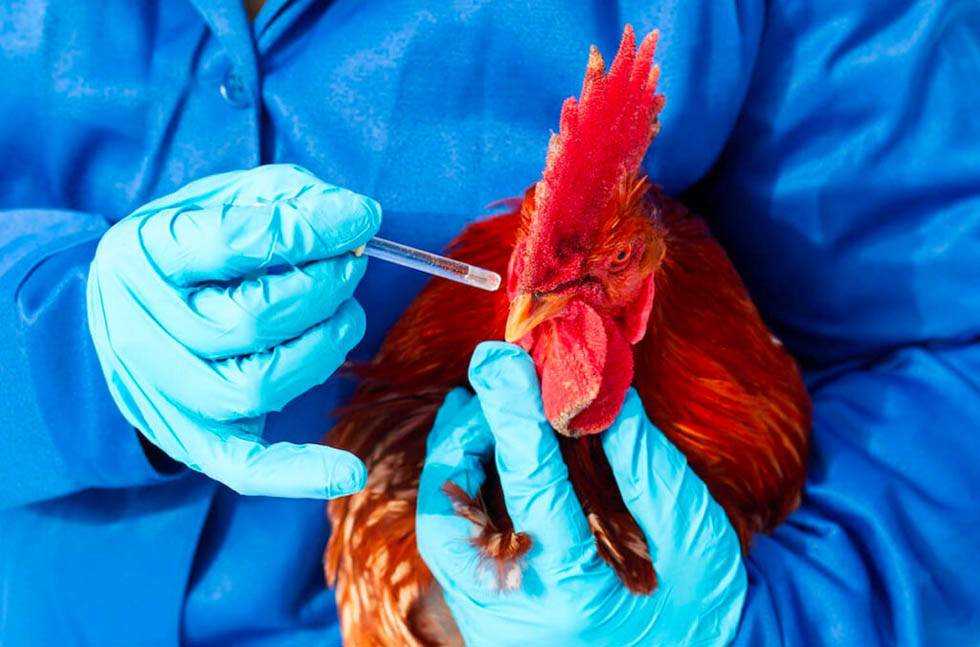
Samuel Kadungure
News Editor
IN a crucial move aimed at safeguarding the poultry industry in Manicaland, the Department of Veterinary Services (DVS) has procured vaccines to immunise two million birds against the devastating Newcastle disease.
A province-wide vaccination programme will be conducted across all districts in Manicaland to protect against potential outbreaks of the disease, which can have catastrophic effects on the poultry industry.
The highly contagious and deadly virus can spread rapidly, resulting in significant mortality rates, often exceeding 90 percent in affected flocks, leading to substantial economic losses for poultry farmers, with the potential for entire flocks to be wiped out.
Outbreaks can lead to trade restrictions, further exacerbating economic losses.
Manicaland provincial epidemiologist, Dr Innocent Chabanga on Wednesday said the disease can compromise the livelihoods of those dependent on the poultry industry, including farmers, workers, and their families — and effective vaccination programmes, such as this one, are crucial in preventing outbreaks and mitigating the devastating impact of the disease on the industry.
Dr Chabanga said their efforts to vaccinate two million birds against Newcastle disease are aimed at achieving herd immunity, a crucial concept in disease prevention.
Herd immunity refers to the point where enough birds in a population are immune to a disease, making it difficult for the infection to spread and protecting those not immunised.
“At two million birds, we would have exceeded 80 percent, and attained herd immunity. In simpler terms, herd immunity is like a shield that safeguards the entire poultry community, including vulnerable birds that may not be able to receive vaccines. By vaccinating a significant portion of the bird population, we will create a barrier that prevents the spread of Newcastle disease in Manicaland, ultimately protecting the entire poultry industry.
“We are always proactive in preventing Newcastle outbreaks in the province, which is why you rarely hear of such cases in Manicaland. We regularly conduct routine vaccinations, creating an effective barrier against the disease. This proactive approach has allowed us to stay ahead of potential outbreaks, safeguarding the health of our poultry and protecting the livelihoods of farmers.
By taking a preventative stance, we will successfully minimise the risk of Newcastle disease in Manicaland, and we will continue to prioritise these vaccination efforts to maintain a healthy and thriving poultry industry,” said Dr Chabanga.
He said the poultry industry is a vital sector in Manicaland, contributing significantly to the country’s health and economy.
He also reassured farmers that the vaccine is safe, effective, and will be administered by trained personnel.
His reassurance to farmers is rooted in the vaccine’s proven safety and efficacy record.
The vaccine, specifically the B1 Type, LaSota Strain, has been widely used to prevent Newcastle disease in chickens, and when administered correctly by trained personnel, provides robust protection against the disease.
With approximately 2,5 million birds in Manicaland, the industry provides a crucial source of income and employment opportunities for rural communities.
Poultry is considered an essential component of Zimbabwe’s agricultural growth programme, aimed at promoting inclusive economic growth.
The industry’s importance extends beyond economic benefits, as it also plays a critical role in ensuring food security and nutrition.
Poultry products are an affordable source of protein for many, making the industry a vital contributor to the country’s healt
The poultry industry also has the potential to drive economic growth and development, having experienced significant growth in recent years, with the broiler value chain being one of the fastest-growing sub-sectors in the country.
To address challenges in the industry, initiatives like the Inclusive Poultry Value Chain project have been implemented to improve the productivity and competitiveness of small and medium-scale poultry producers.
By supporting the growth and development of the poultry industry, Zimbabwe can unlock its potential to drive economic growth, improve food security, and enhance the health and well-being of its citizens.


 Online Reporter