Online Reporter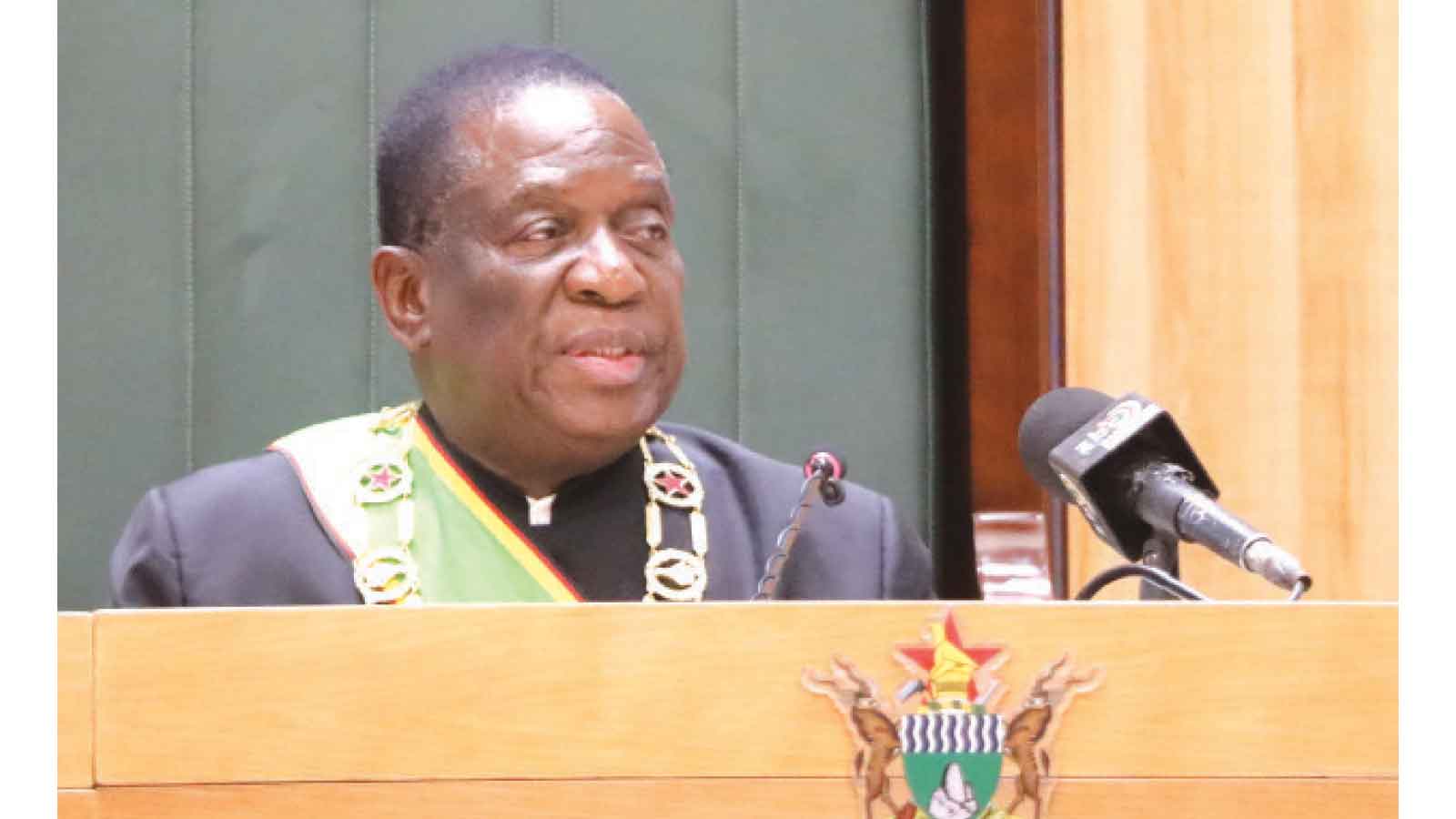
Nyore Madzianike
Senior Reporter
THE Second Republic’s economic transformation frameworks have paid dividends, positively impacting the lives of communities in both urban and rural areas, as President Mnangagwa vows not to leave anyone and no place behind.
Since the ushering in of the Second Republic, a plethora of social and economic policies have been implemented with the aim of achieving an upper-middle-income society by 2030.
These include the Transitional Stabilisation Programme (TSP), which ran from 2018 to 2020 and the National Development Strategy (NDS1), which ran from 2021 to 2025, consolidating the gains achieved during the TSP era in macro-economic stability, infrastructure development, climate-proofing agriculture and ease of doing business.
After successfully implementing the two blueprints, the Second Republic moved to the National Development Strategy 2 (NDS2) 2026-2030 to guide macro-economic stability, public sector performance, and structural reforms and transformation underpinned by value addition and beneficiation.
The NDS2 is premised on national priorities spanning across all dimensions of development aligned with regional, continental and global development frameworks, including the SADC Regional Indicative Strategic Development Plan (2020-2030), the African Union Agenda 2063 and the United Nations Sustainable Development Goals (2015-2030).
The blueprint embraces devolution and decentralisation and promotes empowerment programmes that also address the needs of women, youth, persons with disabilities and other vulnerable groups.
Its implementation is anchored on stakeholder participation, value for money and timely delivery and benchmarking of projects and programmes.
In his State of the Nation Address and official opening of the Fourth Session of the 10th Parliament at the New Parliament Building in Mt Hampden on Tuesday, President Mnangagwa said the country had registered a remarkable impact on the lives and livelihoods of communities in both urban and rural areas.
“True to our ethos as the Second Republic, we are leaving no one and no place behind. Mr Speaker Sir, Madame President; Zimbabwe is open for business.
“The country has achieved sustained macro-economic stability over a considerable period of time. My Government has consolidated gains in price, currency and exchange rate stability. Inflation has been reduced to single-digit levels since January 2026.
“The positive outturn has been supported by strong foreign currency inflows, which amounted to US$10.7 billion for the first half of 2026 and are expected to reach about US$20 billion by year-end.
“The macro-economic gains were achieved through deepening the financial sector institutional framework and, henceforth, ensuring continued confidence in the country’s macro-economic environment,” he said.
President Mnangagwa highlighted that the country continued to experience growth in all sectors of the economy, including mining, manufacturing, construction and tourism, with agriculture recording 27.9 percent growth and contributing 2.2 percentage points to the country’s 8.3 percent GDP growth.
He said fuel supplies had remained stable and adequate to support the country’s socio-economic activities despite global market disruptions and other shocks.
In the transport and infrastructural development sector, President Mnangagwa indicated that the country continued to record significant progress in road rehabilitation, modernisation and construction.
He said Government had continued rolling out the Presidential Title Deeds Programme in urban and peri-urban areas in order to formalise land and property ownership.
The President said a comprehensive revision of building by-laws into modern harmonised building codes was also underway.
He said the robust social protection framework was yielding positive impacts through community outreach, symposiums and expos which were helping to conscientise persons with disabilities on available support programmes.
Access to essential health services had also continued to improve through capacitation of public health institutions and expansion of primary healthcare services, including availability of essential medicines.