Locadia Mavhudzi, Midlands Correspondent
VILLAGERS in Negove and surrounding communities in Mberengwa District have welcomed improved access to specialist eye care following a World Sight Day commemoration that brought screening services and renewed hope to people at risk of avoidable blindness.
The outreach programme is part of a province-wide initiative covering eight districts in the Midlands, including Gokwe South, Gokwe North, Gweru, Kwekwe and Zvishavane.
For many villagers in remote communities, access to specialist eye care has long been a challenge, leaving some with treatable conditions that affect their education, livelihoods and quality of life.
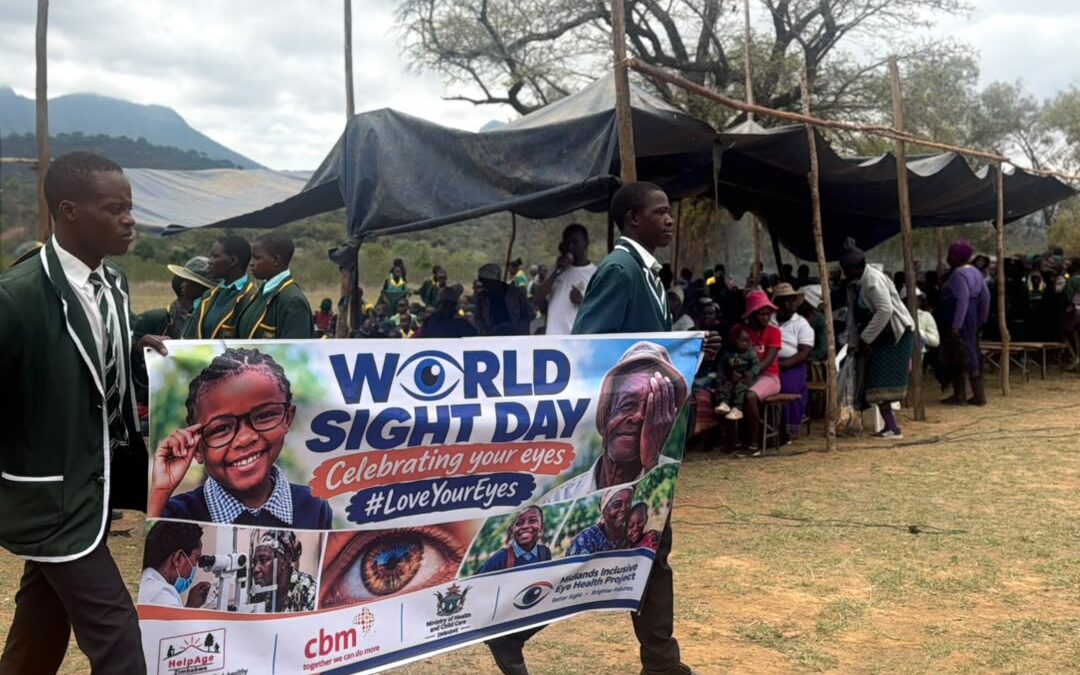
The commemoration, held at Masvingo Primary School in Negove this week, was organised by the Ministry of Health and Child Care (MoHCC) in partnership with HelpAge Zimbabwe under the Midlands Inclusive Eye Health Project, funded by Christian Blind Mission United Kingdom (CBM-UK).
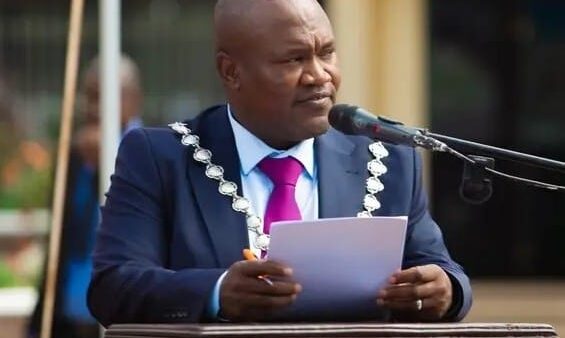
Speaking at the event, Mberengwa District Development Coordinator Mr Vafios Hlabati, who was the guest of honour, said restoring sight was essential not only for individual well-being but also for household productivity and community development.
“When people can see well, they can work, learn, farm, trade, care for their families and contribute meaningfully to national development,” he said.
Mr Hlabati said the project was making significant progress in bringing eye care services closer to communities across the Midlands Province.
He said more than 3 000 cataract surgeries had been performed across the province’s eight districts, while more than 2 500 people had received spectacles and over 80 000 had undergone eye screening.
“In Mberengwa alone, about 400 people had benefited from free cataract surgery, while a further 20 000 had accessed various eye health services.
“The figures represent a significant step towards reducing avoidable blindness, particularly among rural residents who may struggle to access specialist treatment,” he said.
Ward 6 councillor Misheck Zhou applauded the commemoration, saying the programme had brought essential eye health services closer to the community.
He said the provision of free spectacles was particularly welcome as it enabled residents to access services that might otherwise have been beyond their reach.
One of the beneficiaries, Ms Mellania Ncube, expressed gratitude for the specialist eye care programme, particularly its focus on communities that are often difficult to reach.
She said she had lived with cataracts since the age of six, a condition that affected her ability to read while she was still at school.
“I have had this cataract since I was six years old, and it affected my reading while I was at school. I am happy to see so many children receiving eye care because this will boost their confidence and school pass rates,” she said.
Ms Ncube said her experience highlighted the far-reaching consequences of untreated eye conditions, especially among children whose education and confidence could be affected by poor vision.
“For us rural families, access to early screening and specialist treatment can make a significant difference, enabling children to participate fully in school and adults to remain productive in their communities,” she said.
HelpAge Zimbabwe board member Dr Tawengwa Nhongo said the initiative highlighted the importance of collaboration between the Government, development partners and local communities in expanding access to healthcare, particularly in underserved areas.
The World Sight Day commemoration was held under the theme, “Love Your Eyes: Every Story Counts”, which underscores the importance of protecting sight and ensuring that people with eye conditions receive appropriate care.
As Zimbabwe works towards its national development goals, expanding access to eye health services remains critical to ensuring that people, particularly those in rural communities, receive treatment and lead healthier, more productive lives.